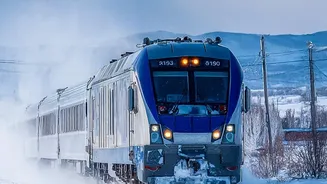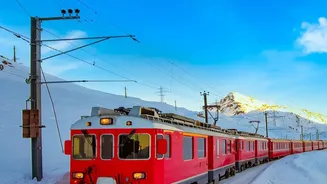





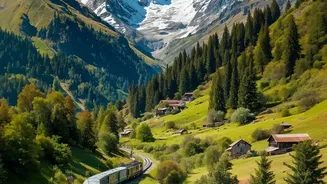
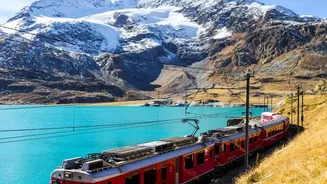
The Unique Charm of Winter Rail Travel
There is a distinct magic to travelling by train during India's winter months. Unlike the rush of airports or the stress of driving on icy roads, a train journey allows you to slow down and immerse yourself in the scenery. It’s an experience built on gazing
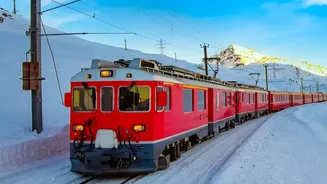
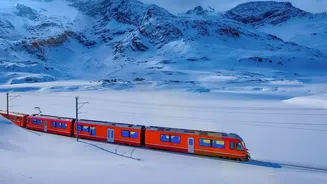
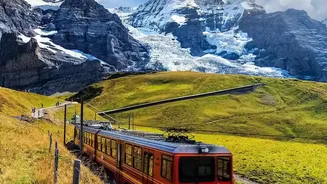
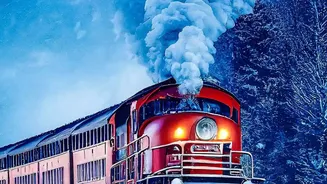
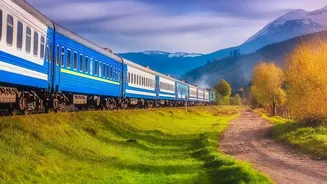
out of the window as plains give way to foothills and then to majestic, snow-dusted peaks. From the colonial-era charm of the carriages to the taste of hot chai at a small, fog-kissed station, rail travel offers a romantic and nostalgic way to experience the country’s diverse winter landscapes. Journeys on India's historic mountain railways, in particular, are less about reaching a destination quickly and more about savouring the passage through stunning, often remote, vistas.
Iconic Snowy Train Journeys
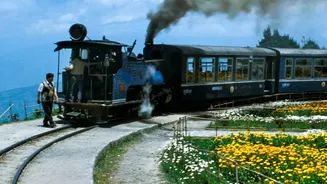
India is home to several train routes that become truly spectacular in winter. The Kalka-Shimla Railway, a UNESCO World Heritage site, is perhaps the most famous. This narrow-gauge 'toy train' ascends into the Himalayas, navigating over 800 bridges and through 102 tunnels on its way to Shimla. The journey is breathtaking when the surrounding pine forests and hills are blanketed in fresh snow. Another UNESCO-listed marvel is the Darjeeling Himalayan Railway. This toy train journey offers misty views of tea gardens and the magnificent Kanchenjunga peak. For those seeking the 'paradise on earth', the train route in Kashmir from Jammu towards Baramulla provides unparalleled views of the snow-covered Pir Panjal range, offering a postcard-perfect winter experience.
The Reality of Winter Delays
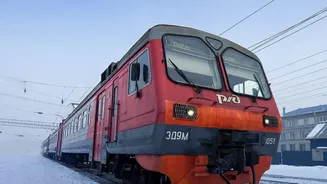
While beautiful, winter weather is the primary reason for travel disruption. Dense fog across the northern plains is a major annual issue, often reducing visibility to near zero and forcing railways to impose speed restrictions for safety. This can lead to significant delays, with trains sometimes running several hours behind schedule. In mountainous regions, heavy snowfall can block tracks, and the risk of landslides can also affect services. In response, Indian Railways sometimes cancels or reduces the frequency of certain trains in advance during the peak fog season, which typically spans from late November to January. This is done to prevent cascading delays across the network and ensure passenger safety remains the top priority.
How to Verify Your Train Schedule
Given the high probability of weather-related disruptions, verifying your train's status is not just a suggestion—it's essential. The most reliable tool is the National Train Enquiry System (NTES), managed by Indian Railways. You can access it via the official website or by downloading the NTES mobile app. Simply use the 'Spot Your Train' feature by entering the train number to get its real-time location, any delays, and expected arrival and departure times. Many other travel apps and websites also pull data directly from NTES. Additionally, passengers can call the railway enquiry number, 139, for updates. Always check the live status before you leave for the station to avoid long, unnecessary waits.
Tips for a Smooth Winter Journey
A little extra planning can make all the difference during a winter train trip. First, build buffer days into your itinerary. If your train is delayed by several hours, having a flexible schedule will reduce stress. When booking accommodation, look for options with flexible check-in times or inform them of your travel plans. Pack essentials like a power bank, extra snacks, and water, as delays can be unpredictable. Dressing in layers is also wise; the temperature can change significantly as the train ascends to higher altitudes. Finally, embrace the spirit of 'slow travel'. A delay might not be ideal, but it’s part of the adventure of travelling in a region as dynamic and beautiful as the Himalayas in winter.