





The Monsoon Kitchen Challenge
The rainy season in India is a high-risk period for foodborne illnesses. The combination of high humidity and fluctuating temperatures creates an ideal environment for harmful bacteria like E. coli and Salmonella to thrive. Microbes multiply much faster
on food left at room temperature in these conditions. Furthermore, the season sees a rise in water contamination, which can affect everything from the vegetables you wash to the water you cook with, increasing the risk of infections like gastroenteritis, typhoid, and cholera.
Master the 'Two-Hour Rule'
One of the most critical food safety principles is the '2-hour/4-hour rule'. It states that perishable food should not be left in the 'danger zone'—between 5°C and 60°C—for too long. Food that has been in this zone for less than two hours can be safely refrigerated. If it's been out for two to four hours, it should be eaten immediately, not put back in the fridge. After four hours, it must be thrown away. During the humid monsoon, it's wise to be even stricter and aim to get leftovers into the fridge well within the two-hour mark.
Cool Food Quickly and Correctly
Never put a large, steaming pot of curry or dal directly into the refrigerator. This not only raises the internal temperature of the fridge, putting other foods at risk, but it also cools the food too slowly. Bacteria can multiply as the food sits in the danger zone for an extended period. The correct way is to cool food rapidly. Divide large quantities into smaller, shallow containers to increase the surface area and speed up cooling. You can even place the container in an 'ice bath' (a larger bowl of ice water) to accelerate the process before refrigerating.
Store Smarter, Not Harder
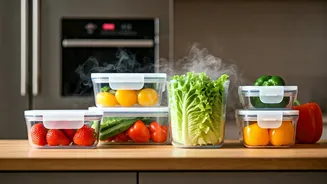
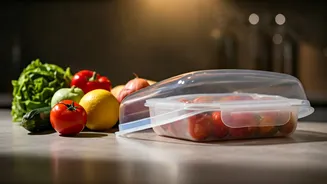
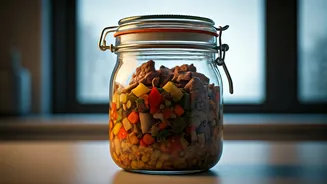
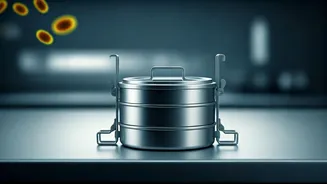
Proper storage is your next line of defence. Use airtight containers to prevent cross-contamination from raw foods and to keep moisture and bacteria out. According to the FSSAI, raw meat, poultry, and seafood should always be stored on the bottom shelf of the fridge to prevent their juices from dripping onto other foods. Make sure your refrigerator is set below 5°C. Avoid just covering a bowl with a loose plate; a secure lid is essential. Leftovers are generally safe to eat for 3-4 days when refrigerated properly.
The Art of the Safe Reheat
When you're ready to eat your leftovers, reheating isn't just about warming them up—it's about making them safe. Food should be reheated thoroughly to a minimum internal temperature of 75°C (165°F) to kill any bacteria that might have developed. The best way to check this is with a food thermometer. If you don't have one, ensure the food is steaming and 'piping hot' all the way through. Soups, gravies, and sauces should be brought to a rolling boil. Avoid reheating the same food multiple times, as this repeated temperature change can encourage bacterial growth and reduce nutritional value. Only heat the portion you plan to eat.
When in Doubt, Throw It Out
While your senses can often detect spoilage—a sour smell, a change in texture, or visible mould—they are not foolproof. Many dangerous foodborne pathogens don't produce any noticeable smell or taste. This is why following time and temperature rules is so important. If you've forgotten how long that dal has been in the fridge or if a dish was left out on the counter overnight, the safest choice is always to discard it. It’s a small price to pay to avoid a nasty bout of food poisoning.