


Batch cooking is a fantastic way to save time and money. But cooking in large quantities brings a challenge: keeping it all fresh and safe to eat. Here’s a simple guide to chilling your food properly, so your future self can thank you.
The Danger Zone and the Two-Hour Rule
The most critical
concept in food safety is the 'temperature danger zone'. This is the range between 5°C and 60°C, where bacteria that cause foodborne illness multiply rapidly. The cardinal rule is to minimise the time your cooked food spends in this zone. The goal is to get your meals from hot to cold as quickly as possible. As a strict guideline, cooked food should be cooled and refrigerated within two hours. In the warmer Indian climate, this window shrinks to just one hour, as ambient temperatures can sit right in the middle of the danger zone, accelerating bacterial growth.
Cooling Down: Divide and Conquer
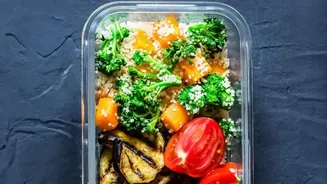
Leaving a large, deep pot of dal or curry on the counter to cool is a common mistake. While the surface may feel cool to the touch, the centre can remain in the danger zone for hours, creating a perfect breeding ground for microbes. The key to rapid cooling is to increase the food's surface area. Instead of refrigerating the entire cooking vessel, divide the batch into several smaller, shallow containers. This allows heat to dissipate much more quickly and evenly. Spreading food like rice or sabzi on a clean, shallow tray is another effective method before transferring it to storage containers. Don't cover containers tightly while they are still warm; trapped steam creates condensation and slows down the cooling process.
Choosing the Right Storage Containers
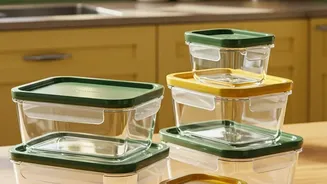
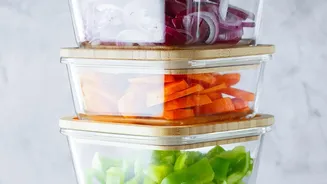
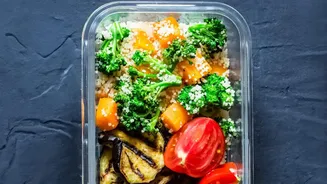
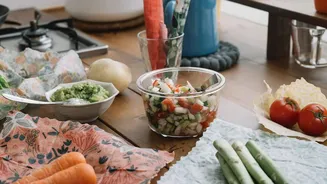
Airtight containers are non-negotiable for batch cooking. They protect your food from drying out, prevent odours from mingling in your fridge, and shield it from cross-contamination. Glass containers are a versatile choice as they don’t stain or absorb smells and can often go from the fridge to the microwave or oven (always check the manufacturer's instructions). Look for options made from borosilicate glass, which is more resistant to thermal shock. High-quality, BPA-free plastic containers are a lighter-weight alternative, especially for meals you plan to take on the go. For freezing soups, stews, and sauces, consider silicone trays that freeze food in individual portions, which can then be transferred to freezer bags.
Smart Fridge and Freezer Strategy
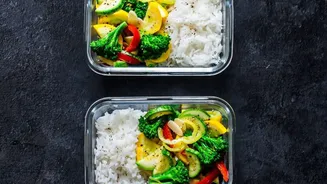
Once your food is portioned and cooled, it's time for storage. Most cooked meals will last for three to four days in the refrigerator. Items like cooked fish, seafood, and egg dishes should be eaten sooner, within one to two days. Cooked rice is particularly high-risk due to the potential for Bacillus cereus spores to germinate; it should be refrigerated within an hour and eaten within a day. When organising your fridge, always store raw meat on the bottom shelf to prevent its juices from dripping onto and contaminating cooked foods. For anything you won’t eat within a few days, the freezer is your best friend. Most batch-cooked meals freeze well for two to three months. To prevent freezer burn—which happens when food is exposed to air—remove as much air as possible from freezer bags before sealing. It’s also crucial to label every container with the contents and the date it was frozen. This helps you use up older items first and avoid mystery meals.
Reheating Safely
When it's time to enjoy your prepped meal, proper reheating is just as important as proper cooling. The goal is to heat the food quickly and thoroughly to kill any bacteria. Food should be reheated to a core temperature of at least 75°C, ensuring it is steaming hot all the way through. If using a microwave, which can heat unevenly, stir the food midway through. Importantly, only reheat the portion you plan to eat. Repeatedly cooling and reheating the same batch of food is not safe, as each cycle provides another opportunity for bacterial growth.