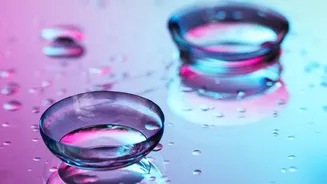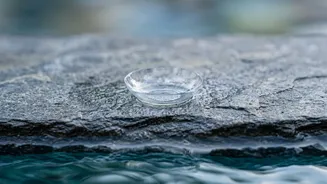



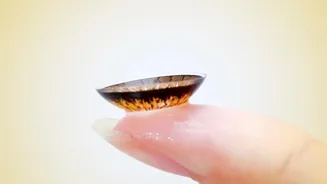


A splash in the shower, a dip in the pool, or even rinsing a lens under the tap seems harmless. But for contact lens wearers, any contact with water can pose a serious risk to your eye health. Here’s what you need to know.
The Hidden Dangers in Water
It might look clean, but tap
water, bottled water, and even water from lakes and swimming pools is not sterile. These sources are teeming with microorganisms. One of the most dangerous is a microscopic parasite called Acanthamoeba. This organism is commonly found in all types of water and can cause a severe, painful, and hard-to-treat infection of the cornea called Acanthamoeba keratitis. When a contact lens gets wet, it acts like a sponge, trapping these germs and holding them directly against your eye. Water also causes soft lenses to swell and change shape, which can make them stick to your eye and even cause tiny scratches on the cornea, making it easier for infections to take hold.
Your Lens Touched Water: What to Do Immediately
If your contact lens comes into contact with water, the advice from health bodies like the CDC is clear: act fast. First, wash and dry your hands thoroughly. Then, carefully remove the lens. If it feels stuck to your eye, use sterile rewetting drops or an approved saline solution to help loosen it before taking it out; never pull on a stuck lens. The safest and most recommended action is to throw the lens away immediately, even if it was only exposed for a moment. This applies to both daily disposables and reusable monthly or bi-weekly lenses. The risk of a serious infection is not worth taking.
The 'When in Doubt, Throw it Out' Rule
Some may be tempted to try and salvage a reusable lens that has touched water, especially if a replacement isn't handy. While some sources suggest a thorough cleaning and disinfecting process might help, the consensus among eye care professionals is that it's a significant gamble. No cleaning method can be guaranteed to eliminate all traces of dangerous organisms like Acanthamoeba once a lens has been fully exposed. Topping off old solution or using anything other than an approved disinfecting solution is also a major risk. The golden rule for contact lens wearers is simple: when in doubt, throw it out. It is always better to discard a single lens than to risk your long-term vision.
Watch for These Warning Signs
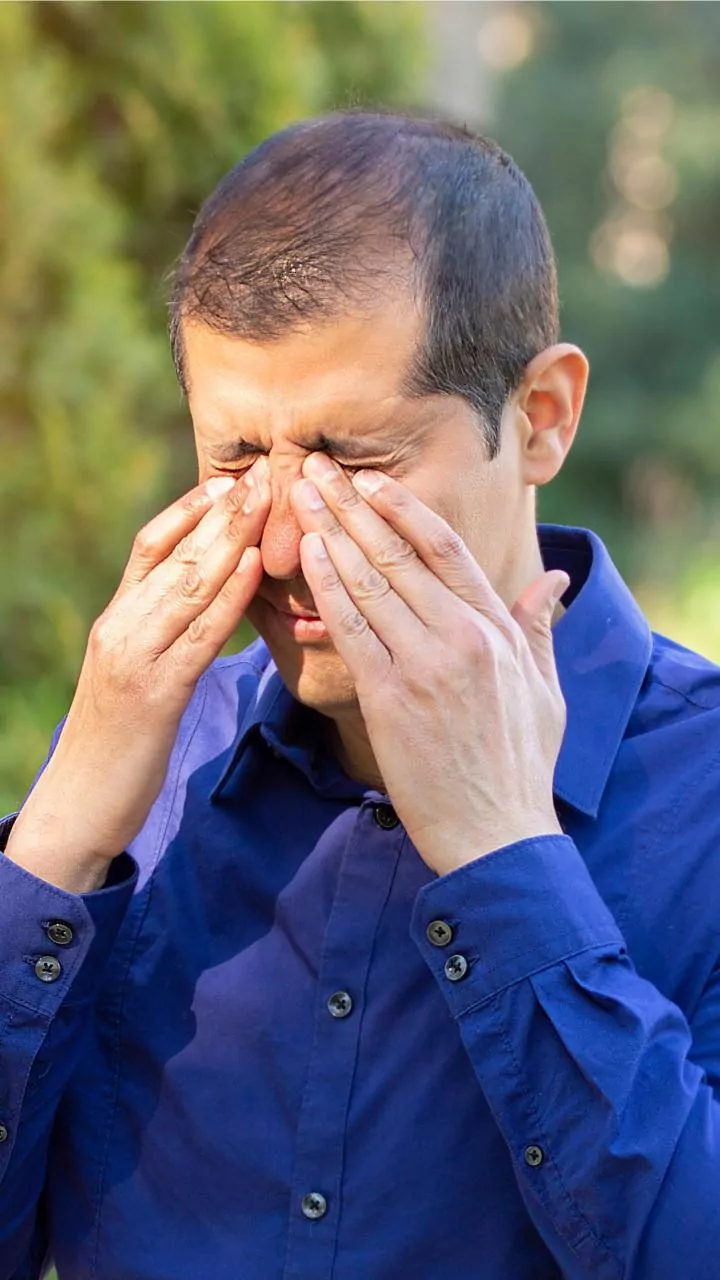
If you have accidentally exposed your lenses to water, it is crucial to monitor your eyes for any signs of infection over the next few days. Do not re_wear the lenses in question. You should remove your lenses immediately and contact your eye doctor if you experience any of the following symptoms: persistent eye pain or soreness, increasing redness, blurry or clouded vision, extreme sensitivity to light, a feeling that something is stuck in your eye, or excessive tearing and discharge. Early diagnosis and treatment are essential for preventing severe complications, which in rare cases can include permanent vision loss or the need for a corneal transplant.
Simple Habits for Safe Lens Wear
Preventing water exposure is the best strategy. Make it a habit to always remove your contact lenses before showering, bathing, swimming, or using a hot tub. Never use water of any kind—tap, bottled, or distilled—to rinse or store your lenses or your lens case. Always use fresh, sterile contact lens solution as recommended by your optometrist. Washing and drying your hands thoroughly before handling your lenses is another simple yet critical step to prevent contamination. For those who are very active or frequently near water, daily disposable lenses can be a safer option, as you can simply discard a pair if accidental exposure occurs and start with a fresh, sterile pair.