







Peace Lily (Spathiphyllum)
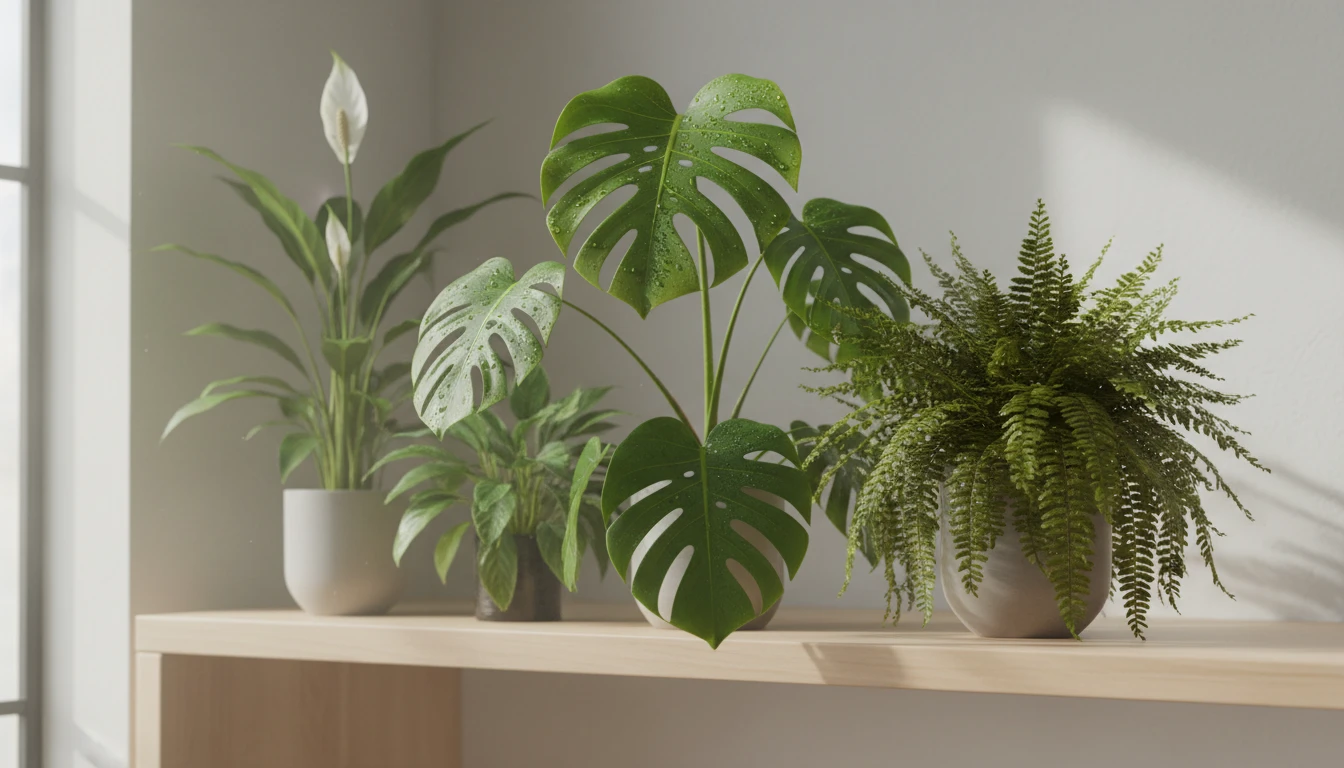
The Peace Lily is a favourite across the Indian subcontinent for its ability to adapt to various climates. Known for its elegant white blooms, this plant is an excellent air purifier that thrives in the humid conditions common in many Indian cities. It
loves high humidity and actually absorbs excess moisture from the air, which can help reduce dampness and prevent mould indoors during the rainy season. Peace Lilies prefer indirect light and will conveniently droop to let you know when they need water, making them easy to care for even for beginners. During the monsoon, ensure the pot has good drainage and water only when the topsoil feels dry.
Ferns
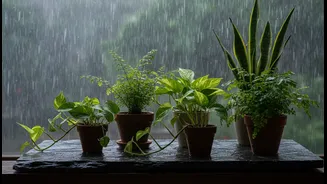
Ferns, such as the popular Boston Fern, are classic humidity-loving plants. Their natural habitat is often a moist, shaded forest floor, so the damp, diffused light of the monsoon season is perfect for them. You might notice their fronds looking particularly lush and green during this time. They are perfect for hanging baskets on a shaded balcony or in a bathroom where humidity is naturally high. While they love moisture, they don't like to be waterlogged, so a well-draining soil mix is essential to prevent root rot. Keep the soil consistently moist but not soggy.
Money Plant (Epipremnum aureum/Pothos)
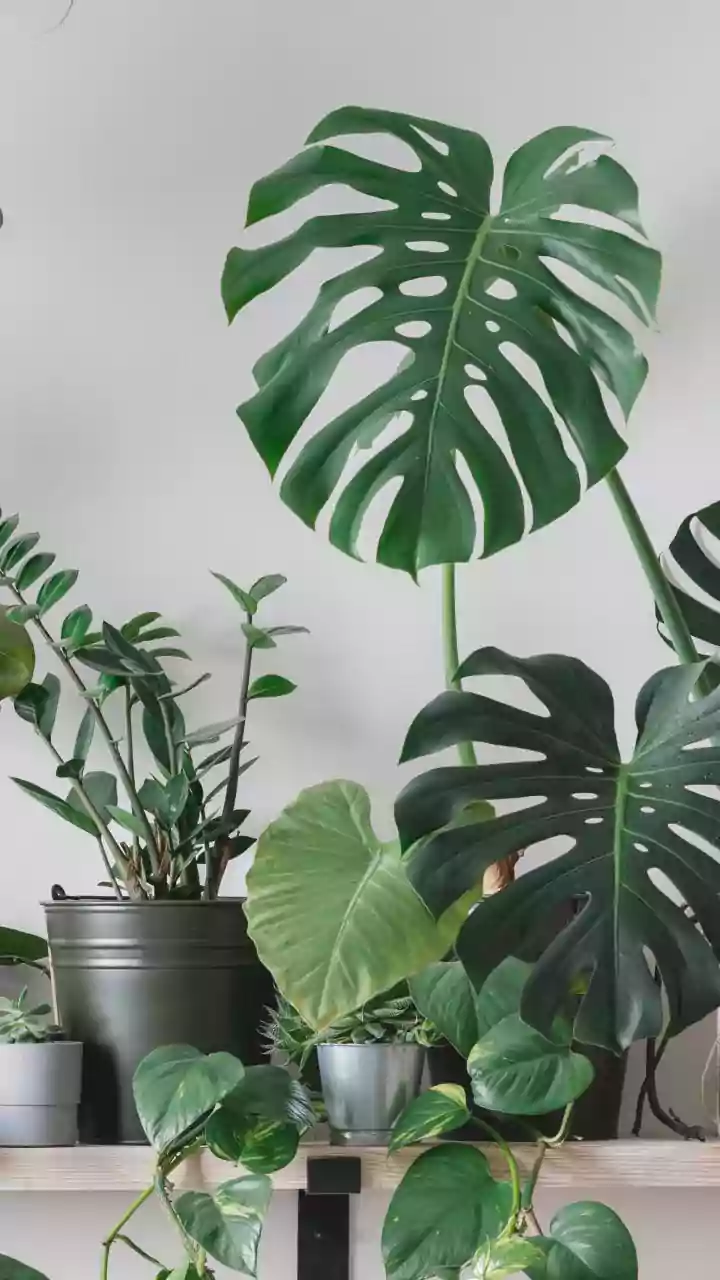
The Money Plant is arguably India's most popular houseplant, known for its resilience and fast growth. It's incredibly adaptable and can withstand the weather extremes of the Indian climate, growing well in low light conditions. The high humidity of the monsoon encourages its heart-shaped leaves to grow bigger and more vibrant. This versatile plant can be grown in soil or just a bottle of water, making it perfect for any home. During the rains, be careful not to overwater it if it's in soil; check that the top inch of soil is dry before watering again.
Snake Plant (Dracaena trifasciata)
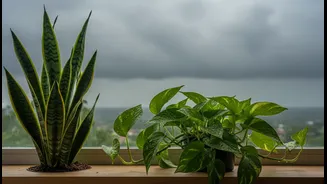
Also known as Mother-in-law's Tongue, the Snake Plant is famous for being almost indestructible and a powerful air purifier. While it is a succulent and generally prefers drier conditions, it tolerates the monsoon's high humidity surprisingly well with the right care. The key is to reduce watering significantly during the rainy season. Because the air is so moist, the plant's soil will take much longer to dry out. Overwatering is the biggest risk and can lead to root rot. Place it in a pot with excellent drainage and water only when the soil is completely dry to the touch.
Areca Palm
For those wanting to add a tropical feel to their home, the Areca Palm is an excellent choice. These palms act as natural humidifiers, but they also thrive when the air is already moist. They are one of the best plants for purifying indoor air. During the monsoon, its lush, feathery fronds can really come to life. Ensure your Areca Palm gets bright, indirect sunlight and is planted in a well-draining pot. Like other plants during this season, it will require less frequent watering due to the high moisture levels in the atmosphere.
General Monsoon Care Tips
While humidity is beneficial, the monsoon also brings challenges. Ensure all your pots have drainage holes to let excess water escape. It's a good idea to check the soil for dryness before watering, rather than sticking to a fixed schedule. Improve air circulation by keeping a window open when it's not raining to prevent fungal diseases. Wiping leaves with a damp cloth can help them breathe by removing dust and any residue left by raindrops. Finally, this is a great time to prune your plants, which encourages fresh, healthy growth.