





A New Final Frontier for Indian Jobs
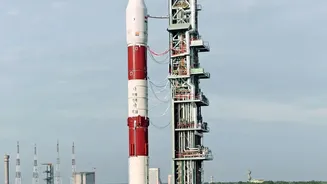
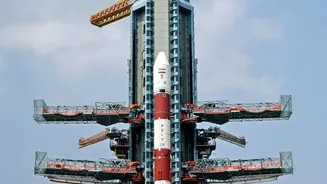
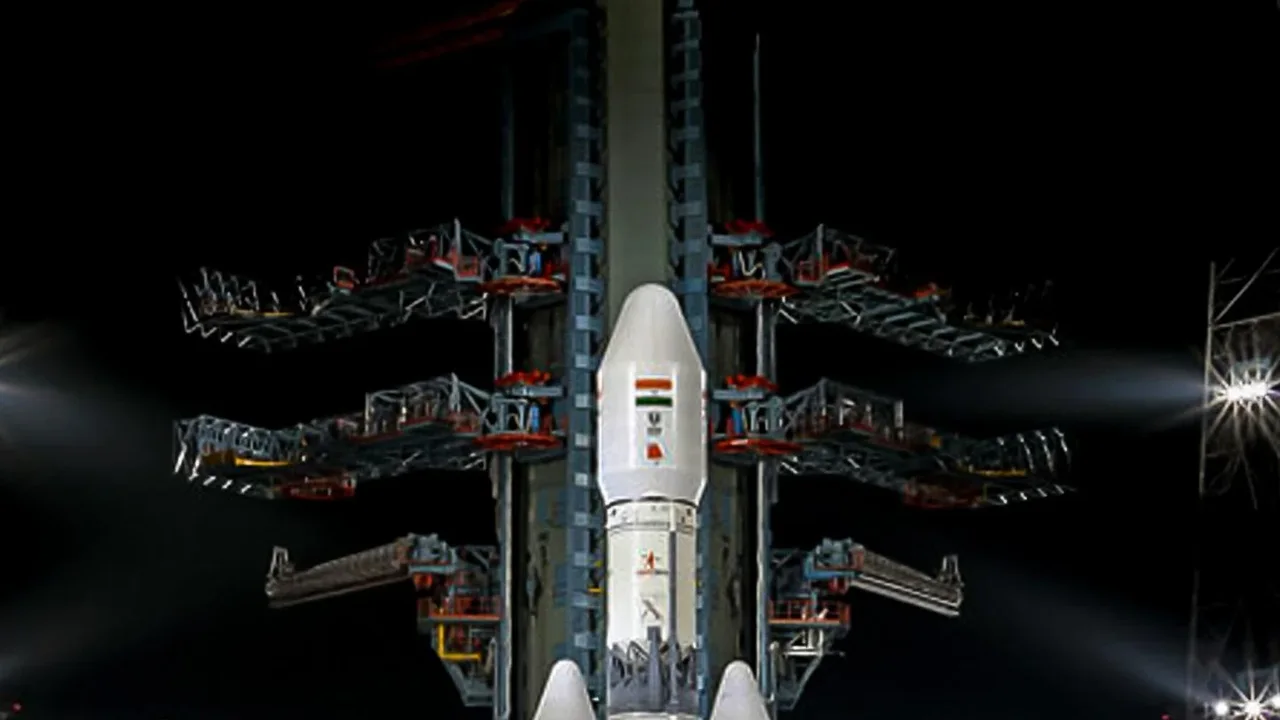
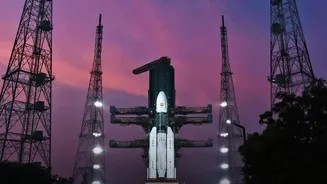
For decades, a career in space in India largely meant one thing: a job at the Indian Space Research Organisation (ISRO). Today, that landscape is changing at warp speed. Thanks to the landmark Indian Space Policy of 2023, the sector has been thrown open
to private enterprise, sparking an economic chain reaction. The country's space economy, valued at around $9 billion in 2023, is projected to surge to over $40 billion by the early 2030s. This explosive growth is being powered by a vibrant startup ecosystem that has expanded from a single company in 2014 to over 400 by 2026. This isn't just about building more rockets; it's about building a new, high-skilled job market from the ground up, with some projections suggesting the creation of over 200,000 new roles in the next decade.
The Jobs Beyond the Rocket Scientists
When we think of space jobs, we often picture aerospace engineers and astrophysicists. While those roles remain critical, the commercial space boom is creating demand across a much wider spectrum of professions. As private companies build everything from launch vehicles to satellite constellations, they need a diverse workforce. There is a growing demand for software developers to build ground control systems, data analysts to interpret the vast amounts of information sent back by Earth observation satellites, and robotics engineers to design systems for in-orbit servicing. Beyond the purely technical, the ecosystem requires legal experts specialising in space law, finance professionals to manage soaring investments, and business development managers to secure international contracts. This expansion means that opportunities in the space sector are opening up to a broader pool of talent than ever before.
Who's Hiring? Meet the NewSpace Startups
The engine of this job creation is India's burgeoning 'NewSpace' startup scene. Companies like Skyroot Aerospace, which became the first private Indian company to launch a rocket, and Agnikul Cosmos, renowned for its 3D-printed rocket engine, are moving from prototypes to commercial operations. Others, like Pixxel and Dhruva Space, are deploying their own satellites, providing services that were once the exclusive domain of government agencies. These companies are attracting significant funding and are actively hiring. The government is actively fostering this growth through the Indian National Space Promotion and Authorisation Centre (IN-SPACe), a single-window agency designed to support and authorise private space activities, effectively creating a launchpad for these new ventures.
The Skills Needed for Liftoff
The ideal candidate for India's new space race is no longer a narrow specialist. Companies are seeking engineers who can blend disciplines, combining a deep understanding of physics and aerodynamics with modern skills in artificial intelligence, machine learning, and data science. Universities and training institutes are beginning to adapt, recognising that the engineer of tomorrow must be comfortable working with computational simulations and 'digital twins' as much as with physical hardware. The growth in downstream applications—using satellite data for everything from agriculture and urban planning to disaster management—also creates a high demand for data analysts and geospatial experts who can turn raw satellite imagery into actionable business intelligence.
A New Partnership in the Stars
The rise of the private sector does not mean the end of ISRO's dominance. On the contrary, the space agency has been clear that it is not being privatised. Instead, its role is evolving. Under the new policy, ISRO will transition away from routine manufacturing and operations, handing these over to private industry. This frees up the agency's brilliant minds and resources to focus on what they do best: pioneering advanced research, undertaking ambitious national missions like the Gaganyaan human spaceflight program, and developing next-generation technologies that are too complex for the private sector to tackle alone. This creates a powerful symbiotic relationship where ISRO pushes the frontiers of science while private industry scales up production and drives commercial growth, expanding India's entire space ecosystem.