



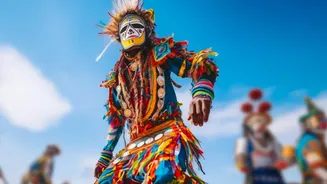

Shardiya Navratri: October 11 - October 19
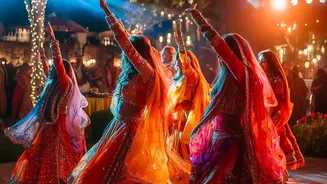
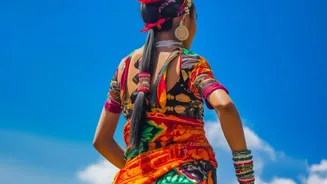
The festive marathon kicks off with Shardiya Navratri, a nine-night celebration dedicated to the nine forms of Goddess Durga. Beginning on Sunday, October 11, 2026, these days are marked by fasting, prayer, and vibrant community celebrations like Garba
and Dandiya Raas. Each day is dedicated to a different incarnation of the goddess, and many people wear specific colours to honour the deity of the day. The festival is a time of spiritual reflection and energetic celebration, setting a devotional tone for the weeks to come.
Dussehra (Vijayadashami): October 20
Immediately following the nine nights of Navratri is Dussehra, or Vijayadashami, on Tuesday, October 20, 2026. This festival celebrates the victory of good over evil. In many parts of India, it commemorates Lord Rama's victory over the ten-headed demon king Ravana. The day is famously marked by the burning of colossal effigies of Ravana, his brother Kumbhakarna, and son Meghnada. In other regions, it celebrates Goddess Durga's triumph over the demon Mahishasura. It is a day of public spectacle, fairs, and the shared belief that righteousness will always prevail.
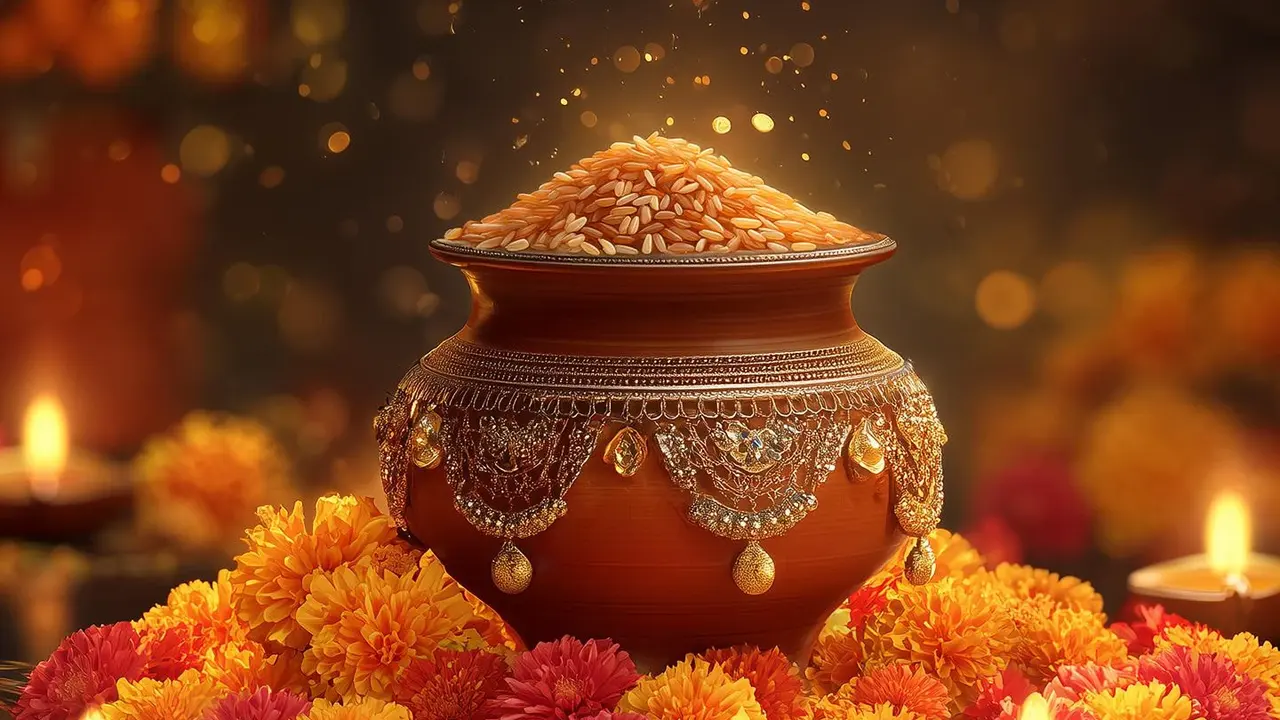
Sharad Purnima: October 25
The brightest full moon of the Hindu lunar calendar arrives with Sharad Purnima on Sunday, October 25, 2026. Also known as Kojagiri Purnima, this festival is dedicated to the goddess Lakshmi, who is believed to descend to Earth and bless her devotees with prosperity. A common tradition is to prepare kheer (rice pudding) and leave it under the moonlight, as the moon's rays on this night are considered to be imbued with divine, healing nectar. It’s a serene and beautiful festival that honours both spiritual devotion and the beauty of nature.
Karwa Chauth: October 29
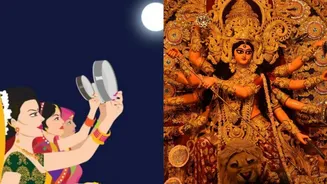
On Thursday, October 29, 2026, married women in many parts of India will observe Karwa Chauth. This is a deeply significant festival where women undertake a strict, day-long fast from sunrise to moonrise, praying for the long life and well-being of their husbands. The day involves prayers, community gatherings, and dressing in beautiful traditional attire. The fast is broken only after sighting the moon, often through a sieve, followed by a glimpse of their husband. It is a testament to love, sacrifice, and marital devotion.
Dhanteras: November 6
Though falling in early November this year, Dhanteras officially kicks off the five-day Diwali festival on Friday, November 6, 2026. The name combines 'Dhan' (wealth) and 'Teras' (thirteenth day). It is considered an extremely auspicious day to make new purchases, especially of gold, silver, or new utensils, to symbolise and invite prosperity for the coming year. Homes are cleaned and decorated, and lamps are lit to welcome Goddess Lakshmi, setting the stage for the grand festival of lights.
Diwali (Lakshmi Puja): November 8
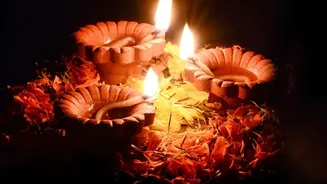
The main day of Diwali, the festival of lights, will be celebrated on Sunday, November 8, 2026. This joyous festival celebrates the return of Lord Rama to Ayodhya after 14 years in exile and his victory over Ravana. Homes and streets are illuminated with countless diyas (oil lamps) and lights, symbolising the triumph of light over darkness and knowledge over ignorance. Families gather for Lakshmi Puja to seek blessings of wealth and prosperity, exchange sweets and gifts, and light up the night sky with fireworks.
Bhai Dooj: November 10
The festive season concludes with Bhai Dooj on Tuesday, November 10, 2026. Similar in spirit to Raksha Bandhan, this festival celebrates the special bond between brothers and sisters. Sisters apply a 'tilak' on their brother's forehead, performing an aarti and praying for his long life and prosperity. In return, brothers offer gifts and promise to protect and support their sisters. It’s a heartwarming conclusion to the festival period, reinforcing the importance of family ties.