



The Gentle Reset of Fasting
Festive fasting isn't about complete deprivation. Instead, it’s a mindful shift in diet that gives our digestive system a much-needed break from heavy, processed foods. In Ayurveda, this practice is known as 'upavasa', a way to 'lighten' the body and
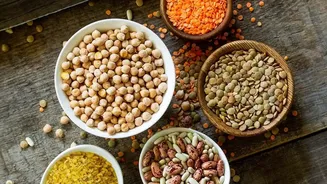
rekindle the digestive fire, or 'agni'. By temporarily eliminating complex grains, legumes, and certain spices, the gut is relieved of a significant workload. This allows it to repair and reduce issues like bloating and inflammation, leading to a feeling of lightness and increased energy. Modern science supports this, showing that short-term fasting can enhance the diversity of our gut microbiome, creating a healthier internal ecosystem.
What Makes a Diet 'Sattvik'?
The diet followed during these fasts is 'Sattvik', a term from yogic and Ayurvedic traditions that describes food which is pure, natural, and promotes calmness and mental clarity. Sattvik foods are typically fresh, lightly cooked, and easy to digest, including fruits, most vegetables, dairy products, nuts, and specific seeds. The philosophy avoids 'rajasic' foods (like onions and garlic) that are believed to be overstimulating, and 'tamasic' foods (like meat, processed items, and leftovers) that are considered heavy and lethargy-inducing. By focusing on Sattvik choices, the diet naturally becomes one that soothes the system rather than agitating it.
The Superstar Flours: Kuttu and Singhara
During fasts, regular wheat and rice are replaced by nutrient-dense alternatives. Two of the most popular are Kuttu ka atta (buckwheat flour) and Singhara ka atta (water chestnut flour). Despite its name, buckwheat is not a type of wheat but a gluten-free pseudocereal packed with protein and fibre. This high fibre content promotes good digestion and provides sustained energy, keeping you full for longer. Singhara flour, made from dried water chestnuts, is naturally cooling for the body and very easy on the stomach. Both are excellent gluten-free options that provide essential nutrients without straining the digestive system.
The Simple Swap to Rock Salt
A key rule in festive fasting is replacing regular table salt with Sendha Namak, or rock salt. This isn't just for tradition; it has practical benefits. Rock salt is the purest form of salt, unrefined and free from chemical processing and additives that are common in table salt. It is considered Sattvik and is gentler on the digestive system. Furthermore, Sendha Namak contains trace minerals like potassium and magnesium, which are crucial for maintaining the body's electrolyte balance, especially when your food intake is restricted. This helps prevent fatigue and muscle cramps, supporting overall hydration and energy.
Why Onions and Garlic Are Avoided
The exclusion of onion and garlic is a cornerstone of Sattvik cooking. From an Ayurvedic perspective, these ingredients are classified as rajasic and tamasic, meaning they can be heating and overstimulating for the body and mind. They are believed to increase passion and agitation, which runs counter to the calm, meditative state that fasting aims to cultivate. While they have medicinal properties, they are considered too potent for a diet designed for digestive rest and spiritual clarity. Instead, Sattvik cooking uses gentle, digestive-friendly spices like cumin, ginger, and black pepper to add flavour without creating heat or heaviness in the system.