




Your First Line of Defence: Plants
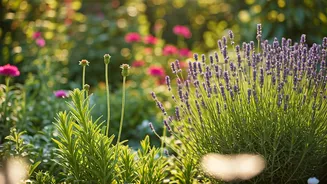
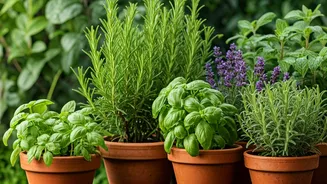
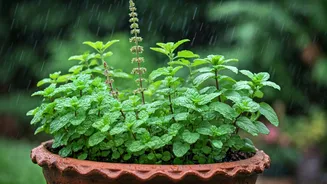
Harnessing the power of nature is the smartest way to begin. Certain plants emit strong scents that mosquitoes find repulsive, effectively creating a natural barrier. Many of these are already staples in Indian homes and gardens. Tulsi (Holy Basil), revered
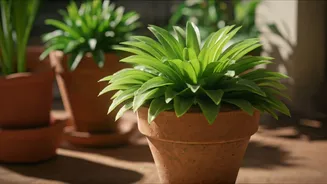
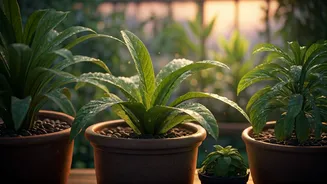
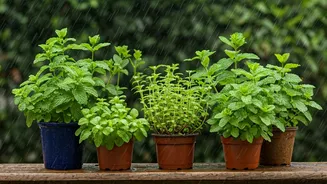
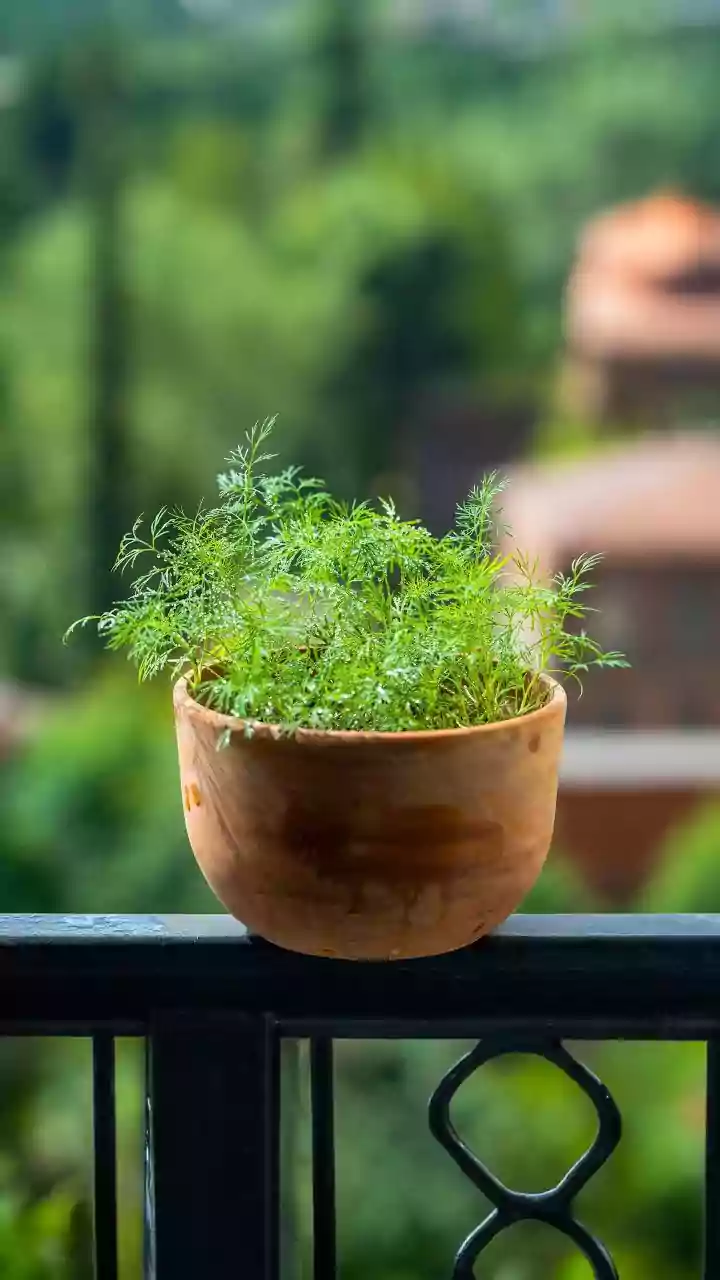
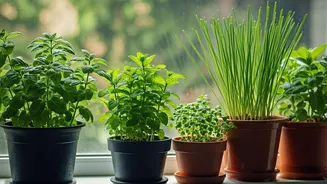
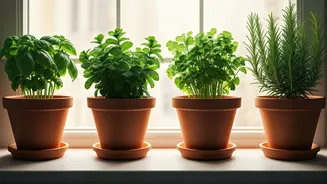
for its medicinal properties, is also a potent mosquito repellent thanks to the compound eugenol. Marigolds, or Genda, are not just for festivals; their distinct smell contains pyrethrum, a natural insecticide that deters mosquitoes and other pests. Lemongrass is another hero plant. It contains citronella, the famous ingredient used in many commercial repellents. A few pots of lemongrass on a balcony or planted along a garden border can work wonders. Other fragrant warriors to recruit include Lavender, Mint (Pudina), Rosemary, and Scented Geraniums. Planting these in pots near doorways, windows, and seating areas maximizes their protective bubble.
The War on Water
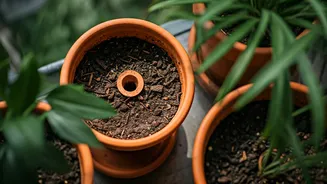
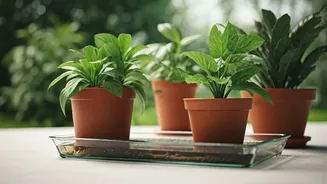
If you do only one thing, make it this: eliminate standing water. This is the single most effective way to control mosquitoes because it destroys their breeding grounds. A female mosquito can lay hundreds of eggs in a tiny amount of stagnant water—even as little as a tablespoon. Take a weekly tour of your garden, balcony, and terrace. Empty the saucers under your plant pots, check for clogged drains and gutters, and don’t let water collect in unused buckets, old tyres, or tarps. If you have a birdbath, you don't need to get rid of it. Simply change the water every couple of days or add a small water agitator to keep it moving, making it an unsuitable nursery for mosquito larvae.
Smarter Garden Maintenance
An untidy garden is a mosquito paradise. Overgrown lawns, dense shrubs, and piles of fallen leaves provide the cool, damp, and shady spots where adult mosquitoes love to hide during the day. Regular garden maintenance is a non-negotiable. Keep your lawn trimmed, prune bushes to improve airflow and sunlight penetration, and rake up leaf litter. This reduces their resting spots, making your yard far less inviting. Be mindful of overwatering your plants or using too much mulch, as excessively damp soil can also attract mosquitoes. Ensuring your soil has good drainage can also prevent water from pooling and creating unintended breeding sites.
Create a Hostile Environment
Beyond plants and water, you can make your outdoor seating areas actively hostile to mosquitoes. These insects are weak flyers. Placing a simple oscillating fan on your patio or balcony can be surprisingly effective at keeping them away. The breeze not only physically blows them off course but also disperses the carbon dioxide you exhale, which is what they use to find you. Lighting also plays a role. Standard white incandescent bulbs are highly attractive to bugs. Switching your outdoor lights to yellow-toned 'bug lights' or warm LEDs can significantly reduce the number of insects, including mosquitoes, drawn to your space at night.