






The Small Boot Struggle Is Real
It’s a scene played out on driveways across the country: the pre-holiday game of 'boot Tetris'. You have your carefully packed hard-shell suitcases, each a neat, unyielding rectangle. The problem is that car boots are rarely perfect rectangles. They have wheel
wells, odd angles, and tapering dimensions that turn packing into a frustrating puzzle. Rigid luggage simply can't adapt. This often leads to wasted pockets of space, bags encroaching on passenger legroom, or the dreaded decision of what to leave behind. For trips of three or four days, where you need just enough clothing to be comfortable but not so much that it requires a massive case, this challenge is especially acute. The frustration is real, but the answer isn't necessarily to pack less—it's to pack smarter with luggage that works with your car, not against it.
Why Soft Shells Beat Hard Cases
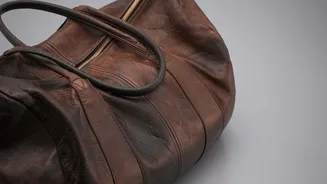
The primary advantage of a soft duffel bag is its flexibility. Unlike hard-shell cases, which have a fixed shape, duffels are malleable. This means they can be squeezed into the awkward corners of a boot, pressed down to accommodate another bag on top, or moulded around the odd shapes of other essential road trip items like a cooler or hiking boots. This adaptability is a game-changer for maximising every inch of available space. While a hard case protects fragile items, most clothing for a four-day trip doesn't require that level of armour. Soft bags are also typically lighter than their rigid counterparts, which means less dead weight to haul around. Their formlessness is their strength, allowing you to fill all the negative space in your boot that a structured suitcase would leave empty.
Techniques for Maximum Capacity
Simply switching to a duffel isn't enough; how you pack it matters. The most effective space-saving technique is rolling your clothes. The 'army roll' or 'ranger roll' method involves tightly rolling garments into compact cylinders. This not only saves a significant amount of space but also helps prevent major wrinkles and allows you to see everything in your bag at a glance. For even better organisation, consider using packing cubes within your duffel. You can group outfits together or separate tops, bottoms, and underwear into different cubes. This adds a layer of structure to the bag’s open-plan interior and stops it from becoming a jumbled mess. Place heavier items like shoes or a toiletry bag at the bottom to create a stable base, then layer your rolled clothes on top, stuffing smaller items like socks into any remaining gaps.
What to Look for in a Road Trip Duffel
Not all duffels are created equal. For road-tripping, prioritise bags made from durable, lightweight materials like nylon or polyester, which can withstand being compressed and jostled. Water-resistant fabric is another key feature, protecting your belongings from unexpected spills or a sudden downpour while unloading. Pay attention to the straps; a comfortable, padded shoulder strap is essential, and some duffels even come with backpack-style straps for hands-free carrying, which can be a bonus. Multiple compartments can also be very useful. Exterior pockets provide quick access to essentials like chargers or snacks, while an isolated shoe compartment keeps dirty soles away from clean clothes. For car travel, it's often best to avoid duffels with wheels, as the internal frame and wheel assembly add rigidity and weight, defeating the purpose of a truly flexible bag.