








A Shared Philosophy on Natural Ingredients
One of the biggest reasons for K-beauty's success in India is its emphasis on natural, gentle ingredients. For generations, Indian skincare has revolved around Ayurvedic principles and kitchen-found remedies like turmeric, neem, and honey. Korean skincare resonates
with this philosophy by championing ingredients like green tea, ginseng, and bamboo extract. This shared value system makes the adoption of K-beauty feel less like a foreign trend and more like an evolution of a long-held belief: that nature provides the best solutions for skin health. It bridges the gap between traditional wisdom and modern skincare science.
The Rise of 'Skin-First' and Preventative Care
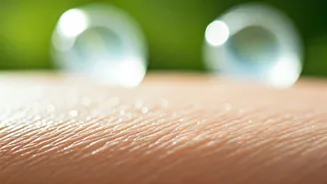
Korean beauty popularised the idea of a 'skin-first' approach, prioritising long-term skin health over quick fixes or heavy makeup. This involves gentle, consistent care focused on hydration, protection, and strengthening the skin's natural barrier. This preventative philosophy is a departure from reactive treatments and aligns with a growing consumer desire in India for healthy, radiant skin, not just a flawless finish. The goal of achieving "glass skin"—a term for a clear, luminous, and intensely hydrated complexion—has become a major aspiration, moving the focus from covering imperfections to cultivating a healthy glow from within.
Cica: The Soothing Hero for Stressed Skin
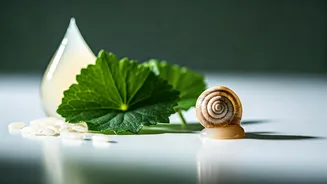
Centella Asiatica, or Cica, has become a star ingredient in India. This medicinal herb, also known as Gotu Kola in Ayurveda, is celebrated for its powerful soothing and healing properties. For Indian skin, which is often exposed to high levels of pollution, harsh sun, and humidity, Cica is a game-changer. It effectively calms redness, reduces irritation, and helps repair a compromised skin barrier, making it ideal for sensitive and acne-prone skin types. Its ability to soothe inflammation without causing dryness addresses key concerns for many urban Indians.
Snail Mucin: Hydration and Repair Without the Weight
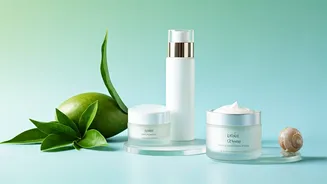
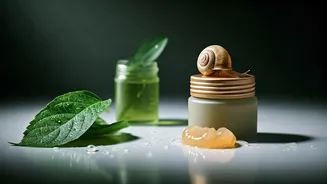
Though it may sound unusual, snail mucin has become a cult-favourite for its remarkable hydrating and reparative benefits. Rich in hyaluronic acid, glycoproteins, and peptides, it helps fade dark spots, repair skin damage, and provide deep hydration. Crucially for the Indian climate, its lightweight, gel-like texture absorbs quickly without feeling heavy or greasy, a common complaint with traditional moisturisers in humid weather. It delivers the coveted dewy glow while helping to manage common issues like post-acne marks, a top concern for Indian consumers.
Innovation Meets Accessibility
The Korean beauty industry is renowned for its cutting-edge research and development, leading to innovative formulations and textures that feel pleasant on the skin. This focus on scientific advancement, combined with the cultural influence of K-dramas and K-pop, has created enormous demand. Initially a niche market, K-beauty is now widely accessible in India through e-commerce platforms and a growing number of physical stores. This has not only brought international brands to Indian consumers but also inspired Indian brands to launch their own Korean-inspired formulations, making the trend more mainstream than ever.