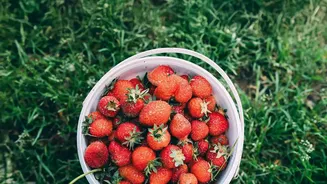

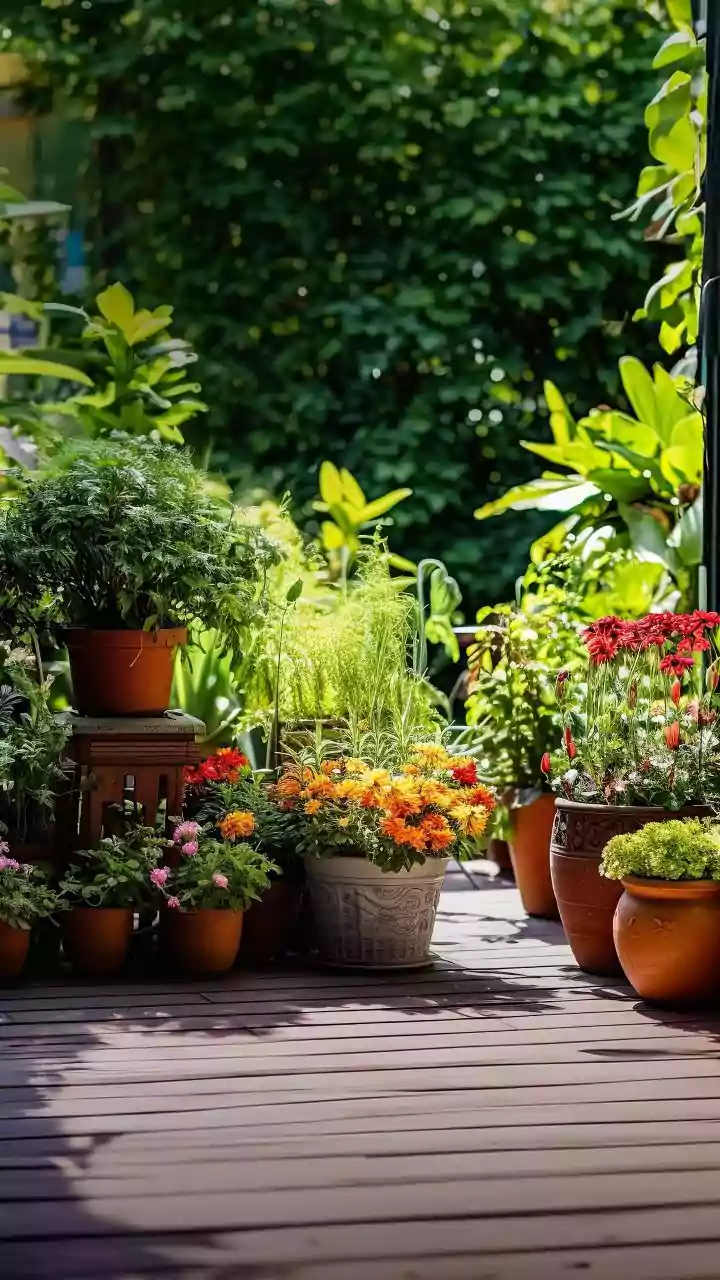



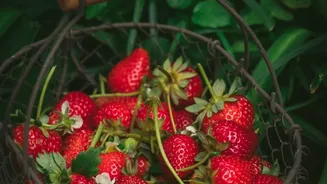
The Crucial Choice: Your Container
The single most important factor for success when growing strawberries in pots is drainage. Strawberry plants have shallow roots that are highly susceptible to rot if left in waterlogged soil. Your chosen container must have ample drainage holes at the
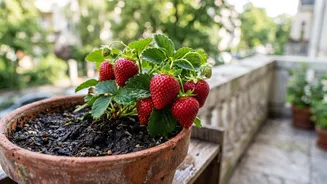
bottom. If a decorative pot you love has only one small hole, do not hesitate to drill a few more. When it comes to materials, you have options. Terracotta pots are porous and allow soil to breathe, which helps prevent root rot, but they also dry out faster. Plastic or glazed ceramic pots retain moisture longer but can get hot in direct sun. Fabric grow bags are an excellent choice as they provide superior aeration and drainage. Regardless of material, select a pot that is at least 8-10 inches deep and wide to give the roots enough room to grow.
Selecting the Best Strawberry Varieties
Not all strawberry plants are created equal, especially for container gardening. For a steady harvest throughout the season, choose 'everbearing' or 'day-neutral' varieties. June-bearing types produce one large crop in early summer, which might not be ideal for casual snacking. Day-neutral varieties, like 'Albion' or 'Seascape', produce fruit from summer through autumn, as long as temperatures are suitable. Everbearing types typically yield two to three harvests per season. Alpine strawberries are another fantastic option; they produce small, intensely flavourful berries all summer and are well-suited to partial shade, which can be a bonus on some balconies. Look for these types at your local nursery; they are often sold as small plants ready for potting.
Creating the Perfect Potting Mix
Never use soil directly from your garden in a container. Garden soil is heavy, compacts easily when watered in a pot, and will smother your strawberry roots, leading to poor growth and drainage issues. Instead, purchase a high-quality, all-purpose potting mix. These mixes are specifically designed to be light, retain moisture while also draining well, and provide a sterile environment free of pests and weed seeds. To give your plants an extra boost, you can amend the potting mix by adding a few handfuls of compost for nutrients or perlite to further improve aeration and drainage. The ideal soil should be slightly acidic and rich in organic matter to support healthy growth and fruit production.
Planting and Placement
When you have your pots and soil ready, it is time to plant. Fill your container with the potting mix, leaving a couple of inches at the top. Gently remove the strawberry plant from its nursery pot and loosen the root ball. Create a small mound of soil in the center of the pot and spread the roots over it. The crucial step is to set the plant so that the crown—the thick, stem-like part where the leaves emerge—is sitting exactly at soil level. If you bury the crown, it will rot; if you plant it too high, the roots will dry out. Firm the soil around the plant and water it thoroughly. Once planted, find the sunniest spot on your balcony. Strawberries need at least six to eight hours of direct sunlight each day to produce abundant, sweet fruit.
Watering and Feeding Your Plants
Potted plants dry out much faster than those in the ground, so consistent watering is key. Check the soil daily by poking your finger about an inch deep. If it feels dry, it is time to water. Water thoroughly until you see it running out of the drainage holes, which ensures the entire root ball is hydrated. Avoid letting the pot sit in a saucer full of water. To produce lots of berries, your plants will also need regular feeding. Starting a few weeks after planting, apply a balanced liquid fertilizer every 2-3 weeks throughout the growing season. Look for a fertilizer formulated for fruits and vegetables. This regular supply of nutrients will fuel the plant to keep flowering and fruiting all summer long.
Protecting Your Balcony Harvest
Your balcony is not immune to pests; birds are often the number one culprit when it comes to stealing ripe berries. You can protect your crop by covering the pot with lightweight bird netting as the fruits begin to ripen. As for winter, strawberry plants are perennial, but their roots can be damaged if the pot freezes solid. In colder climates, you can protect your plants by moving the pots into an unheated shed or garage for the winter. Another method is to cluster the pots together against a sheltered wall and insulate them with bubble wrap or burlap to keep the roots from freezing.