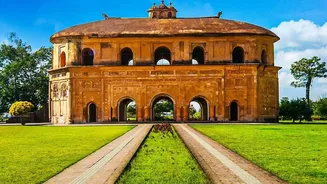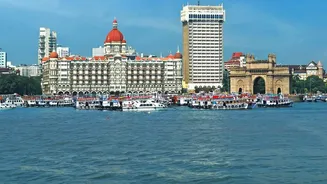






For years, it was a ghost of aviation past. Now, Assam’s Rupsi is back in the spotlight, named a top trending destination by travel giant Skyscanner. This isn't just a win for an old airfield; it's a turning point for tourism in western Assam.
A Gateway to Unspoiled Beauty
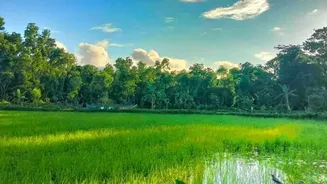
Imagine
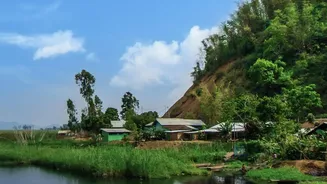
landing amidst a panorama of emerald paddy fields and winding rivers. This is the promise of Rupsi, located in Assam's Kokrajhar district, serving as a crucial entry point to the state's western corridor, including the historic town of Dhubri. For decades, travellers to this part of India had to endure long road journeys from Guwahati or Bagdogra. The revival of Rupsi Airport places visitors at the doorstep of the mighty Brahmaputra's riverine landscapes and a culture deeply woven into its banks. The area is a tapestry of rural settlements, vibrant traditions, and raw, natural beauty that has remained largely untouched by mainstream tourism, offering a more authentic, off-the-beaten-path experience.
From Wartime Runway to Modern Hub
Rupsi Airport is steeped in history. Constructed by the British during World War II, it was a critical strategic base for Allied forces, supplying the China-Burma-India theatre of operations. With a 6,000-foot runway and numerous camouflaged hangars, it was a significant military installation. After the war, its importance waned. Following brief operations by regional airlines in the 1980s, the airport fell into disuse and lay dormant for nearly four decades. Its recent rebirth is a direct result of the government's UDAN (Ude Desh ka Aam Nagrik) scheme, aimed at boosting regional connectivity. After a redevelopment project, commercial flights resumed, reconnecting a long-forgotten piece of history with modern India.
The 'Skyscanner Effect' and Local Hopes
So, why does a mention from Skyscanner matter so much? The platform's recent report highlighted a staggering 502% year-on-year surge in flight searches for Rupsi, placing it second on its list of trending global destinations. This 'Skyscanner effect' acts as a powerful global endorsement. For a lesser-known destination, such visibility is invaluable. It moves Rupsi from a regional curiosity to a point of international interest, attracting a new demographic of travellers seeking unique experiences. This newfound attention is a massive boost for Assam's tourism ambitions, promising economic benefits that can ripple through local communities. It supports homestays, empowers local artisans like the terracotta craftsmen of Asharikandi, and creates new opportunities in hospitality and transport.
Exploring the Treasures Around Rupsi
The revived airport is more than just a landing strip; it's a portal to a region rich with cultural and natural wonders. A short drive away is the town of Dhubri, home to the Gurudwara Shri Guru Teg Bahadur Sahib Ji, a revered Sikh shrine on the banks of the Brahmaputra. About 30 kilometres from the airport lies Mahamaya Dham, a prominent Shakti Peeth that attracts pilgrims from across the state. For nature lovers, Rupsi provides access to vital ecosystems like the Chakrasila Wildlife Sanctuary, which is celebrated for its population of the rare Golden Langur. It also serves as a convenient starting point for trips to Raimona National Park and even Manas National Park, offering diverse wildlife experiences.