





More Than Just a Meal
In the past, a festive offering at a restaurant might have meant a simple discount or a complimentary sweet. Today, that has evolved into a full-fledged sensory event. Restaurants are no longer just places to eat; they are becoming venues for celebration,
complete with themed decorations, traditional music, and meticulously curated menus that tell a story. This shift is about creating an entire ecosystem of festivity, where diners don't just consume food but also participate in the cultural narrative of the occasion. Whether it’s the grandeur of a Diwali feast or the specific dietary considerations of Navratri, the focus has moved from transactional dining to experiential celebration.
The Driving Forces Behind the Trend
Several factors are fuelling this change. In a highly competitive market, restaurants see festivals as a key opportunity to differentiate themselves and boost revenue, with some reporting significant sales increases during festive seasons. For diners, especially in urban areas, it’s a solution to a modern problem. Many lack the time or space to prepare elaborate traditional meals like an Onam Sadhya, which can feature over 20 dishes. Restaurants are filling this gap, offering an authentic experience without the associated labour. Furthermore, there is a growing nostalgia and a desire among younger generations to connect with their cultural roots, and food provides a powerful, accessible way to do that.
A Taste of Tradition, Reimagined
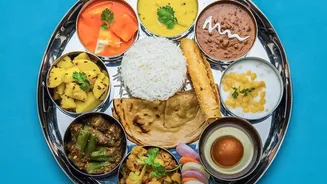
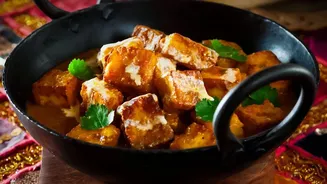
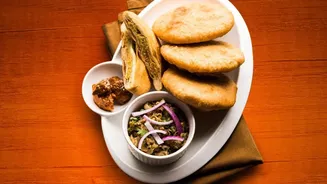
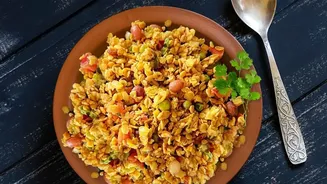
Across India, chefs are diving deep into regional and seasonal traditions. Navratri, for instance, sees restaurants like AnnaMaya in Delhi and SOCIAL across various cities rolling out extensive 'vrat-friendly' thalis, made without onion or garlic and using ingredients like buckwheat (kuttu) and water chestnut (singhara) flour. These menus are often a blend of classic recipes and modern innovation. For example, some menus feature creative dishes like beetroot sago risotto or crispy arbi with unique chutneys, offering a gourmet twist on fasting food. Similarly, during Onam, restaurants in Mumbai, Bengaluru and beyond offer elaborate Sadhya feasts served on traditional banana leaves, allowing patrons to experience the harvest festival in its full glory.
Beyond the Plate
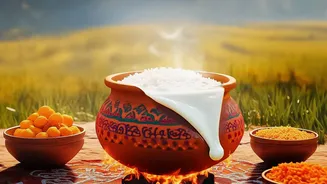
The most successful festive experiences understand that atmosphere is as important as the food itself. It’s about creating an environment that transports the diner. This can involve decorating the restaurant with marigolds and diyas for Diwali, playing traditional folk music, or even organizing activities related to the festival. Some establishments go further, using menus as a form of cultural education, with QR codes that explain the history of a dish or sourcing information for hyper-local ingredients. By engaging all the senses, restaurants are making these meals memorable and encouraging patrons to return, turning a one-off visit into a new annual tradition for families and friends.