





The Off-Season Is Officially On
For years, the Indian hospitality industry braced for a slowdown between July and September. The monsoon meant fewer tourists and, consequently, empty rooms and discounted rates. But that trend is decisively reversing. The monsoon is no longer a lean
period but an emerging travel driver in its own right. Across the country, what was once the off-season is now buzzing with weekend travellers and short-break enthusiasts. Major hotel groups are reporting significant year-on-year growth, with July bookings pacing nearly 10% ahead of the previous year. In popular monsoon destinations like Munnar and Mussoorie, some travel platforms have recorded a near ten-fold growth in hotel bookings compared to last year, while places like Coorg, Wayanad, and Lonavala have seen a seven-fold increase. This surge in demand is allowing hotels to maintain better pricing, a stark contrast to the heavy discounts that were once standard for the rainy season.
What’s Driving the Downpour of Tourists?
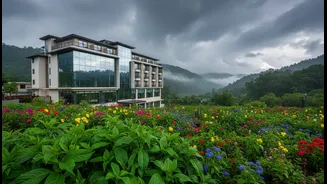
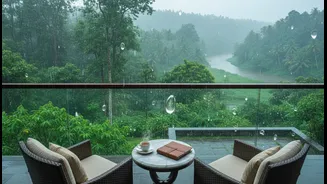
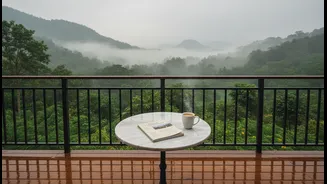
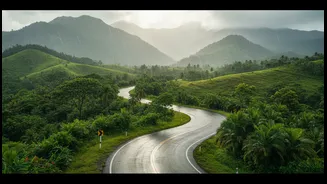
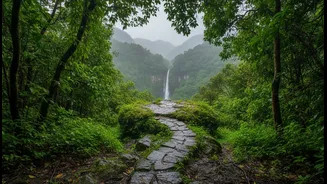
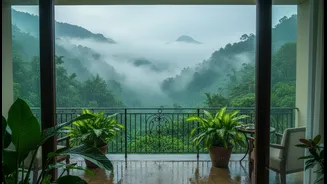
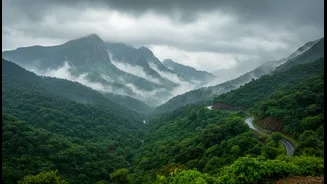
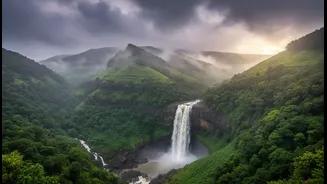
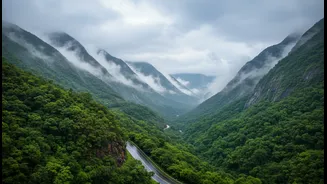
Several factors are fuelling this change in travel habits. A key driver is a shift in traveller preferences, particularly among younger demographics. Many are now opting for shorter, more frequent getaways over one long annual holiday. This has been made easier by improved road connectivity and more flexible work schedules. Furthermore, travellers are increasingly seeking experiences over just destinations. They are drawn to the unique beauty of the monsoon—the lush green landscapes, mist-covered hills, and roaring waterfalls. Social media has played a significant role in romanticising this aesthetic, showcasing rain-washed vistas and cosy resort stays. Tired of overcrowded peak-season spots, many tourists now actively seek the quieter, more immersive connection with nature that the monsoon provides.
From the Ghats to the Hills: Monsoon Hotspots
While the trend is widespread, certain regions are clear beneficiaries. The Western Ghats are a prime example, with hill stations like Lonavala and Mahabaleshwar in Maharashtra becoming go-to weekend destinations for city dwellers from Mumbai and Pune. In the south, Kerala's backwaters and tea plantations in Munnar, as well as the coffee estates of Coorg in Karnataka, are magnets for monsoon travellers. Even Rajasthan, known for its arid landscapes, sees destinations like Udaipur become more appealing as its lakes fill with rainwater. In the north, hill stations in Himachal Pradesh and Uttarakhand, such as Shimla and Mussoorie, are also witnessing a welcome rise in occupancy, as tourists escape the heat of the plains for the cool, misty mountain air.
How Hotels Are Capitalising on the Clouds
The hospitality industry has been quick to adapt and capitalise on this growing trend. Hotels are no longer just dropping prices; they are curating specific monsoon experiences. Many now offer special packages that include wellness treatments like Ayurveda, which is considered particularly effective during the humid season in places like Kerala. Resorts are promoting indoor activities, from cooking masterclasses to spa treatments, ensuring guests have plenty to do even during a downpour. Food and beverage menus are also getting a seasonal makeover, with an emphasis on comfort food and regional delicacies. Through targeted marketing campaigns and attractive deals, travel companies and hotels are successfully positioning the monsoon not as a challenge to be endured, but as a unique product to be celebrated.
A Sustainable Shift or a Passing Shower?
This structural shift towards year-round tourism has significant positive implications. It helps create more stable, year-round employment for local communities and provides a more consistent revenue stream for the hospitality sector. For travellers, it opens up new opportunities to see India in a different light, often at more accessible prices and with fewer crowds. However, the trend is not without its challenges. The monsoon season also brings risks of landslides and flooding, requiring hotels and local authorities to have robust safety and emergency response plans in place. Despite these concerns, industry experts believe this is not a fleeting trend but a fundamental change in domestic travel patterns, signalling that the monsoon season is now firmly established as a prime time for travel in India.