





The Philosophy of Vrat Food
Navratri and other fasting periods occur during seasonal transitions, a time when the body's immunity can be low. The traditional diet aims to support the body by providing foods that are light, pure (sattvic), and easy to digest, giving the digestive
system a much-needed rest. The focus shifts from heavy grains like wheat and rice to alternatives that cleanse the system while providing sustained energy. This ancient wisdom aligns with modern wellness principles, emphasising detoxification and mindful eating to rejuvenate both body and mind.
Makhana: The Power-Packed Puff
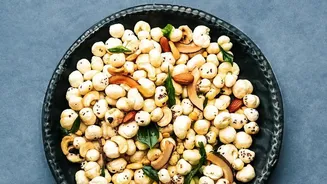
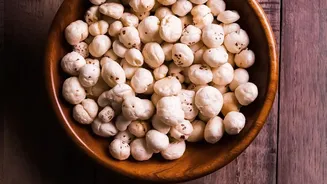
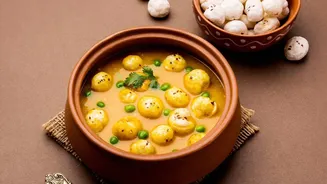
Makhana, or fox nuts, are a fasting superstar for good reason. They are incredibly light yet filling, thanks to their high protein and fibre content. This helps manage hunger pangs without the heaviness of fried snacks. Low in calories and sodium but rich in essential minerals like magnesium and potassium, makhana supports heart health and helps regulate blood pressure. Being gluten-free and having a low glycemic index makes them an excellent choice for maintaining steady energy levels, preventing the sugar crashes often associated with other snacks. Their 'sattvic' nature means they are considered pure and are believed to keep the mind calm and focused during spiritual practices.
Kuttu: The Energetic Pseudo-Cereal
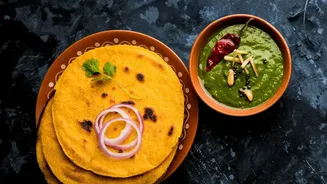
Kuttu ka atta, or buckwheat flour, is a staple for making rotis and puris during vrat. Despite its name, buckwheat is not a wheat grain but a fruit seed, making it naturally gluten-free. It's a nutritional powerhouse, boasting a high protein content of around 13 grams per 100g and significant dietary fibre. This combination ensures you feel full and energized for longer. Kuttu is also rich in magnesium and a unique antioxidant called rutin, which is known to support cardiovascular health by strengthening blood vessels. Its low glycemic index helps in managing blood sugar levels, making it a smart choice for sustained energy during a fast.
Rajgira: The Royal Grain
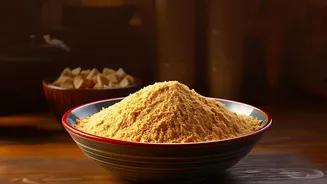
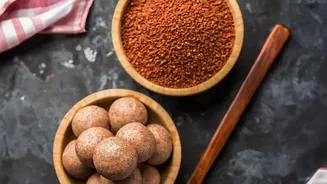
Rajgira, also known as amaranth, translates to 'royal grain' and its nutritional profile lives up to the name. It is one of the few plant-based sources of complete protein, containing all essential amino acids, including lysine, which aids calcium absorption. This makes it invaluable for maintaining muscle and energy levels while fasting. Like the others, it is gluten-free and high in fibre, promoting good digestion and preventing constipation. Rajgira is also packed with micronutrients like iron, calcium, magnesium, and potassium, which are vital for bone health, regulating muscle function, and overall vitality. Its versatility allows it to be used in everything from rotis to ladoos, making it a delicious and nourishing part of the vrat diet.