






What Exactly Is El Niño?
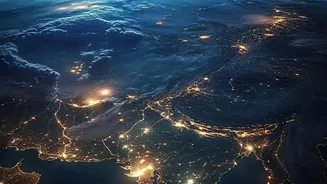
El Niño is a naturally occurring climate pattern marked by the unusual warming of sea surface temperatures in the central and eastern equatorial Pacific Ocean. Think of it as a vast expanse of the ocean getting warmer than usual. This change doesn't stay
in the Pacific; it triggers a domino effect, altering atmospheric circulation patterns worldwide. Forecasts for the current event, which began developing in June 2026, suggest it is strengthening into a 'super El Niño'. Data from mid-September 2026 shows ocean temperatures have already breached the threshold for a 'very strong' event, with a high probability of it persisting into early 2027.
The Critical Monsoon Connection
For India, the most critical consequence of El Niño is its influence on the southwest monsoon, which provides about 70-75% of the country's annual rainfall. El Niño conditions tend to weaken the monsoon winds and disrupt rainfall patterns. This doesn't always guarantee a drought, as other factors like the Indian Ocean Dipole (IOD) can play a role, but a strong El Niño significantly increases the probability of a drier-than-normal season. The 2026 monsoon has already been erratic and is on track to be the driest in over a decade, with a cumulative deficit of around 15% as of mid-September. This has left over half the country grappling with drought conditions.
Threats to Crop Yields
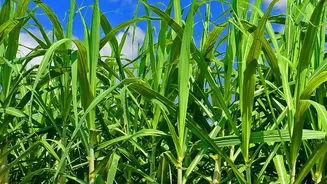
With nearly half of India's farmland being rain-fed, a weak monsoon has direct and severe consequences for agriculture. The current El Niño has already affected the Kharif (summer) crops, with a lack of rainfall stressing rice, maize, soybean, and cotton. Delayed and deficient rains disrupt the entire cropping cycle, from sowing to harvesting. This leads to lower yields, which in turn squeezes farmer incomes and rural demand. The ripple effects are quickly felt in urban centres through rising food prices. Prices for essentials like sugar and maize have already seen sharp increases, straining household budgets ahead of the festive season.
The Strain on Water Resources
Beyond the farms, a poor monsoon spells trouble for India's water security. Deficient rainfall leads to lower water levels in the country's major reservoirs, which are vital for drinking water supply, hydroelectric power generation, and irrigation for the next crop season (Rabi). As of September 2026, reservoirs are reported to be drier than usual. This places enormous pressure on groundwater resources, which are already over-exploited in many parts of the country. State governments have begun activating contingency plans, identifying taluks vulnerable to drinking water shortages and preparing to supply water via tankers. The priority is shifting towards the judicious use of available water and ensuring drinking water needs are met first.
Economic Ripples and Preparedness
The impacts of El Niño extend across the entire economy. Lower agricultural output can fuel food inflation, complicating decisions for the Reserve Bank of India. Increased demand for irrigation pumping and air conditioning during hotter-than-usual weather can strain power grids. Recognizing these risks, government agencies are on high alert. High-level meetings are being held to review the situation and coordinate responses with state governments. These measures include creating district-specific agricultural contingency plans, promoting drought-resistant crop varieties, and ensuring the availability of essential commodities.