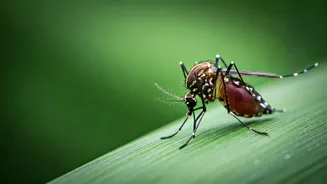






Understanding the Enemy: The Aedes Mosquito
Dengue fever is a viral infection transmitted by the bite of an infected Aedes aegypti mosquito. [12] Unlike other mosquitoes that are active at night, this species primarily bites during the day, especially in the early morning and late afternoon. [3,
16] A common misconception is that these mosquitoes breed only in dirty water. In reality, they thrive in small collections of clean, stagnant water often found in and around our homes. [12, 15] This makes household vigilance a critical part of prevention, as items like flower pots, water coolers, and discarded tyres can become breeding grounds. [4, 11] As temperatures rise and rainfall increases, these mosquitoes can survive longer and spread faster. [18]
Your First Line of Defence: Inside the Home
The most effective way to prevent dengue is to eliminate mosquito breeding sites. [11] Start by conducting a weekly “dry day” to empty, clean, and scrub any containers that hold water. [22] This includes flower pot saucers, pet water bowls, and refrigerator drip trays. [5] Water coolers and storage tanks should be emptied and cleaned weekly, and always kept tightly covered. [16] Use screens on windows and doors to prevent mosquitoes from entering. [5, 10] For added protection, especially for children and the elderly napping during the day, using a mosquito net is a wise precaution. [4, 12] Using mosquito coils and liquid vaporizers can also help reduce the number of mosquitoes indoors. [16]
Staying Safe When Outdoors
When you are outside, especially during the peak biting hours after sunrise and before sunset, minimise skin exposure. [3] Opt for light-coloured clothing, as mosquitoes are often more attracted to dark colours. [5] Wearing long-sleeved shirts and full-length trousers can provide a simple yet effective barrier against bites. [4, 16] For any exposed skin, apply an EPA-registered insect repellent containing ingredients like DEET or picaridin. [2, 3] These are proven to be effective at keeping Aedes mosquitoes at bay. Be mindful of your surroundings, as parks and playgrounds can also pose a risk. [18]
Community Action is Key
Preventing dengue cannot be a solo effort. A clean neighbourhood is a safe neighbourhood. Check common areas for stagnant water, such as clogged gutters, discarded containers, and construction sites. [5, 11] Public health authorities emphasize that community participation is crucial for successful vector control. [8, 22] Working with Resident Welfare Associations (RWAs) and local bodies to organise cleaning drives and awareness campaigns can make a significant difference. [8, 14] If you notice large, unmanaged pools of stagnant water in public spaces, report them to your local municipal authorities. This collective vigilance helps protect everyone.
Recognizing the Warning Signs
It is important to distinguish dengue from a common viral fever. Symptoms typically appear 4 to 10 days after an infected mosquito bite. [7, 9] The most common signs include a sudden high fever (104°F/40°C), severe headache, pain behind the eyes, intense muscle and joint pain, nausea, and a skin rash. [6, 7] This combination of symptoms, particularly the severe body aches, is why dengue is often called “breakbone fever.” [6] If you experience these symptoms, especially during monsoon season, it is crucial to seek medical advice promptly. [16]
What to Do If You Suspect Dengue
If you suspect you have dengue, consult a doctor immediately for proper diagnosis and care. [22] While most cases are mild and can be managed at home, it's essential to follow medical advice. [7] Focus on staying well-hydrated by drinking plenty of water and other fluids, and get as much rest as possible. [2] For fever and pain, use only paracetamol. [7] It is critical to avoid non-steroidal anti-inflammatory drugs (NSAIDs) like ibuprofen and aspirin, as they can increase the risk of bleeding complications. [3, 7] Watch for warning signs of severe dengue, which can appear after the initial fever subsides. These include severe abdominal pain, persistent vomiting, bleeding from the gums or nose, and extreme fatigue. [7, 9] If any of these occur, go to the emergency room immediately. [2]