

Start with a Strong Foundation
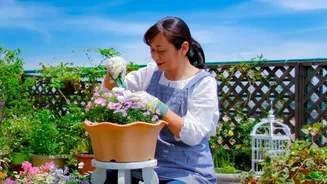
Success begins before you even buy a plant. First, observe your balcony's sunlight patterns. An east-facing balcony gets gentle morning sun, ideal for herbs, while a south-facing one receives intense light perfect for flowering plants like bougainvillea.
Next, choose the right containers. Ensure every pot has drainage holes at the bottom to prevent water from stagnating, which can cause root rot. While terracotta pots are traditional, they dry out quickly. Lightweight plastic or fibreglass pots are often more practical for balconies. Finally, use a quality potting mix, not heavy garden soil. A good mix is light and provides aeration, drainage, and nutrients. You can buy a pre-made mix or create your own using ingredients like coco peat, compost, and perlite.
Choose Your Plants Wisely
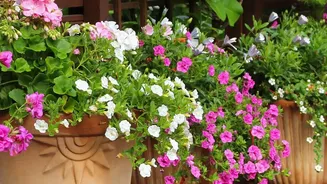
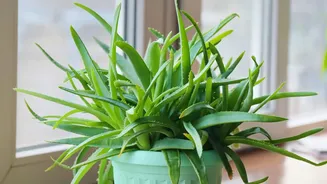
Selecting plants suited to your specific environment is the most critical step. For beginners or those with busy schedules, starting with low-maintenance varieties is a great strategy. Plants like the snake plant, money plant (pothos), aloe vera, and spider plant are famously resilient and thrive in various Indian conditions. They tolerate occasional neglect and help purify the air. If you want colourful blooms, consider hardy options like periwinkle (sadabahar), which flowers almost year-round, or vibrant bougainvillea for sunny spots. For fragrance, mogra (jasmine) and chameli are excellent climbers. Always consider the mature size of a plant to avoid overcrowding your space later on.
Mastering the Art of Watering
Overwatering is one of the most common mistakes in balcony gardening, killing more plants than underwatering. Instead of sticking to a rigid schedule, check the soil. The 'finger test' is your best tool: poke your finger about an inch into the soil. If it feels dry, it's time to water; if it's moist, wait another day. Balcony plants can dry out faster due to wind and direct sun, so daily checks are important, especially in summer. Water plants early in the morning or late in the evening to reduce evaporation. Always water the soil directly, avoiding the leaves, and ensure excess water can drain freely from the pot's base.
A Seasonal Guide to Plant Care
India's distinct seasons require different care strategies. During the intense summer (March-June), plants may need daily watering and protection from the harsh afternoon sun. Using a green shade cloth can prevent leaves from scorching. The monsoon season (June-September) brings high humidity and the risk of waterlogging. Reduce watering frequency and ensure your pots have excellent drainage to prevent root rot. It's also a prime time for pests and fungal growth, so keep an eye out. In the cooler, drier winter months (November-February), plant growth slows down. Water less frequently, allowing the soil to dry out more between waterings, and place plants where they can receive maximum morning sunlight.
Feeding and Pest Management Basics
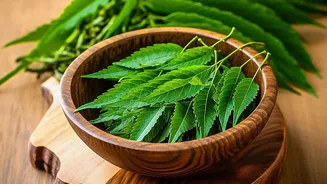
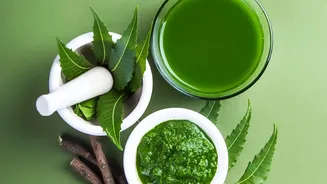
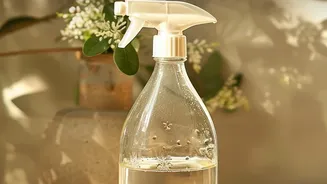
Plants in containers have limited access to nutrients, which get washed out with each watering. To keep them healthy, you'll need to feed them regularly. You can use organic options like compost or vermicompost every few weeks. Alternatively, a balanced liquid fertilizer, diluted to half-strength, can be applied every two to three weeks during the growing season. For pest control, prevention is key. Regularly inspect your plants, especially the undersides of leaves. Many common pests like aphids and mealybugs can be managed by spraying a simple solution of neem oil and water. Keeping your plants healthy and removing any dead leaves promptly will also make them less attractive to pests.