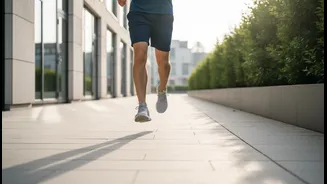









The Magic of the Post-Meal Stroll
For years, we’ve been told to wait before exercising after a meal. But a growing body of research is turning that old wisdom on its head, suggesting that a light walk shortly after eating is one of the most effective habits for your health. The primary
benefit lies in its remarkable ability to manage blood sugar. When you eat, your body converts carbohydrates into glucose, causing your blood sugar levels to rise. A gentle walk prompts your muscles to start using that glucose for energy, preventing a sharp spike. Studies have shown that even a two-to-five-minute walk can begin to lower blood sugar levels. This helps to avoid the energy crash that often follows a meal and, over time, can reduce the risk of developing metabolic issues.
Why Timing Trumps Intensity
The key to this health hack is the timing. The most impactful window for a walk is within 60 to 90 minutes after you finish eating, which is when your blood glucose levels typically peak. By moving during this period, your muscles soak up the glucose from your bloodstream right when it's most abundant. Interestingly, several studies have found that multiple short walks after meals can be more effective for blood sugar control than one single, longer walk at another time of day. Unlike high-intensity exercise, which can sometimes cause a temporary stress-induced rise in blood sugar, a gentle walk provides a steady, beneficial draw of energy. Furthermore, intense exercise soon after eating can divert blood away from your digestive system, sometimes causing discomfort, whereas a light stroll actually aids digestion by stimulating the stomach and intestines.
Your Perfect Post-Meal Routine
You don’t need to gear up for a power walk to reap the rewards. In fact, keeping the intensity low to moderate is ideal. Aim for a comfortable, relaxed pace where you could easily hold a conversation. The goal is to stimulate your body, not to strain it. Most research points to a walk of just 10 to 15 minutes being highly effective. Some studies show benefits from walks as short as two minutes, so don't feel discouraged if you're short on time. Start by walking 10 to 15 minutes after you finish a meal, letting your stomach settle first. This can help move food through your digestive tract more efficiently, reducing feelings of bloating and gas.
What About More Intense Workouts?
This isn't to say that more vigorous exercise isn’t important. High-intensity workouts are crucial for cardiovascular health, building muscle, and overall fitness. The post-meal walk isn't a replacement for your regular workout routine; it’s a powerful supplement with a very specific purpose: metabolic regulation. Think of it as a tool to smooth out your body's response to a meal. For more strenuous activities, it’s still best to wait at least 60 minutes after a light meal, and potentially 2 to 3 hours after a large one, to avoid digestive issues like cramps or nausea. The two types of exercise serve different, but equally valuable, roles in a healthy lifestyle.
Making It a Lasting Habit
Incorporating a post-meal walk into your day is simple. You don’t need any special equipment, just a few minutes of your time. If you work in an office, a short walk around the building after lunch can make a huge difference in afternoon productivity. At home, a stroll around the block after dinner can be a relaxing way to wind down. You can even walk around your living room if the weather is bad. To make the habit stick, try pairing it with something you enjoy, like listening to a podcast or calling a friend. The key is consistency. Making this a regular part of your routine after your main meals can lead to significant long-term benefits for your metabolic health, digestion, and even your mood.