







A Silent Crisis Beneath the Waves
The ocean covers over 70% of our planet, but much of what happens within its depths remains hidden from view. Climate change is not just a terrestrial problem; it's inflicting deep and accelerating wounds on marine ecosystems. The ocean has absorbed over 90%
of the excess heat trapped by greenhouse gases and about a quarter of all human-caused carbon dioxide emissions. This absorption comes at a steep cost. The consequences are a trio of stressors: rising temperatures, increasing acidification, and declining oxygen levels. Ocean acidification, sometimes called 'osteoporosis of the sea', makes it harder for organisms like corals, plankton, and shellfish to build their skeletons and shells. As these foundational species struggle, the entire food web is put at risk, threatening the stability of ecosystems that feed hundreds of millions of people.
Why We Can't Afford to Look Away
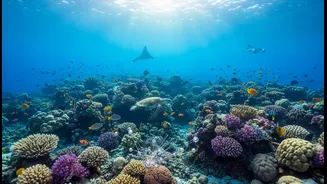
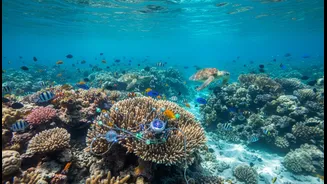
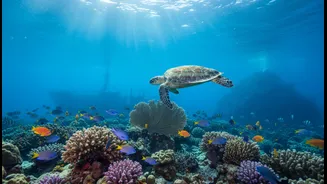
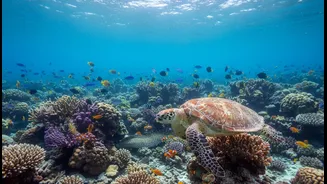
The degradation of marine ecosystems is not a distant environmental issue; it has direct consequences for human society. Coastal communities in India and around the world depend on healthy oceans for food security, livelihoods, and protection from storms. Recent UN assessments highlight a deepening crisis, with about 38% of global fish stocks being harvested unsustainably in 2021, a figure exacerbated by climate impacts. Coral reefs, which provide habitat for a quarter of all marine life and buffer coastlines from wave energy, are bleaching and dying at alarming rates due to marine heatwaves. The loss of these ecosystems increases the vulnerability of coastal populations to flooding and erosion. Furthermore, the economic stakes are enormous. A recent analysis estimated that climate-induced declines in ocean health could cost the global economy nearly $2 trillion per year by 2100.
The Case for a 24/7 Watch
To combat a problem we can't always see, we need persistent eyes on the ocean. Sporadic data collection is no longer sufficient to understand the rapid, and sometimes abrupt, changes taking place. Continuous, real-time monitoring is essential. It allows scientists to move beyond taking occasional snapshots of ocean health to creating a feature-length film, revealing trends, predicting tipping points, and providing early warnings. This steady stream of data is vital for effective decision-making, from managing fisheries sustainably to designing effective Marine Protected Areas. By understanding how ecosystems are responding to climate stressors in real time, policymakers can implement more adaptive and targeted conservation strategies. Continuous observation is the foundation for moving from a reactive to a proactive stance in protecting our marine resources.
Technology on the Frontlines
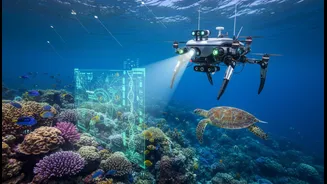
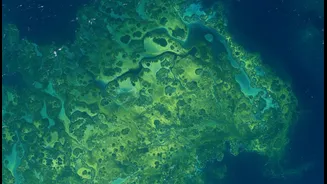
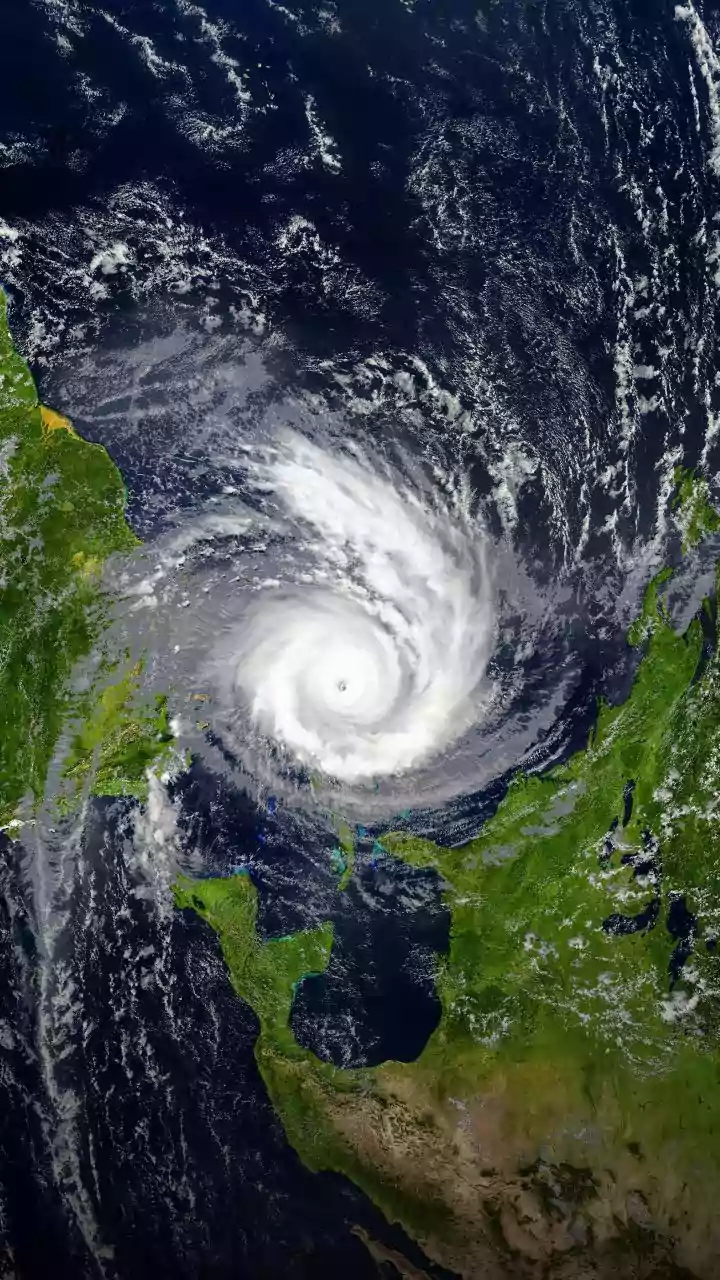
Fortunately, a technological revolution is transforming our ability to monitor the ocean. Scientists now deploy a sophisticated arsenal of tools to keep a constant pulse on marine health. Autonomous underwater vehicles (AUVs) and robotic gliders can patrol the ocean for months, collecting data on temperature, salinity, and oxygen levels across vast areas. From above, satellites track sea surface temperature, ocean colour (an indicator of plankton blooms), and sea-level rise with incredible precision. Emerging technologies like environmental DNA (eDNA) allow scientists to detect the presence of different species simply by analysing water samples. Meanwhile, artificial intelligence (AI) is becoming indispensable for processing the massive datasets these technologies generate, helping to identify species, detect illegal fishing, and even predict events like coral bleaching before they happen.