




A Season of Deficit
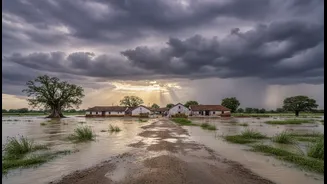
The 2026 southwest monsoon has been inconsistent over Goa. After a significantly dry June, which recorded a 34% rainfall deficit, hopes were pinned on July, which is typically the wettest month. While late June and early July saw some heavy showers that
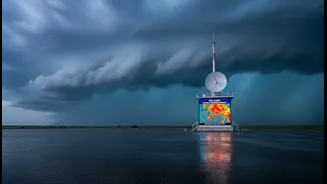
helped replenish reservoirs, the monsoon has weakened again. As of early July, the seasonal rainfall deficit stood at nearly 27%. The India Meteorological Department (IMD) has recorded temperatures nearly three degrees above normal on some days, coupled with forecasts of continued light to moderate rainfall instead of the usual heavy downpours. This pattern of a weak monsoon in June followed by inconsistent rain in July has set a worrying tone for the rest of the season.
The Tourism Experience May Change
For the Indian traveller, Goa’s monsoon charm lies in its vibrant green scenery and gushing waterfalls. A weak monsoon directly threatens this experience. The state’s largest reservoir, Selaulim Dam, is a major monsoon attraction, with crowds gathering to watch its iconic duckbill spillway overflow. Normally, this happens by July 7th, but this year the dam was only 37% full around that time, and officials believe the spillover may be delayed until August. This delay is a tangible sign of the monsoon's weakness. A drier landscape and less impressive waterfalls could alter the monsoon tourism appeal, which relies heavily on the region's rain-fed natural beauty.
A Looming Water Shortage
Beyond aesthetics, the deficient rainfall has serious implications for Goa's water security. The state's reservoirs, which supply drinking water to a large part of the population including the tourism-heavy coastal belts, are filling up much slower than usual. Lack of pre-monsoon showers and a weak June meant that reservoirs started at very low levels. Even with some rainfall in early July, major dams like Selaulim and Anjunem remain well below their expected capacity for this time of year. Officials have expressed concern about water availability for drinking, irrigation, and other essential needs in the coming months if the monsoon doesn't intensify. This could lead to water supply restrictions that affect both residents and the hospitality industry.
Trouble for Goa's Farms
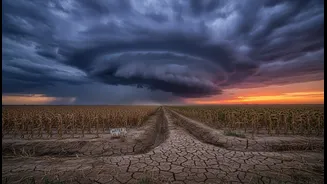
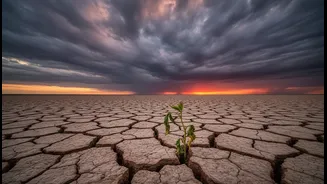
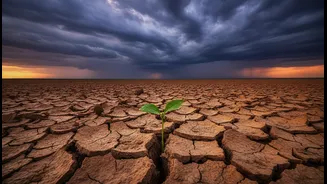
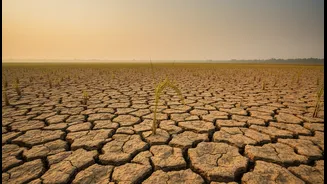
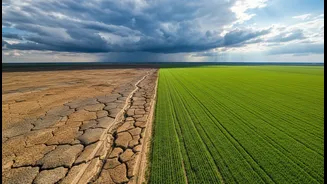
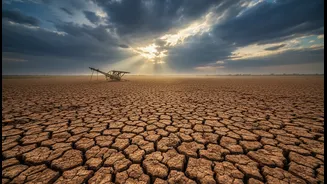
Goa’s agriculture, particularly paddy cultivation, is deeply dependent on the monsoon. The weak and delayed rains have left many farmers in a difficult position. Insufficient soil moisture has delayed the sowing of kharif crops, a situation that can shorten the growing season and reduce yields. Farmers who rely on rain-fed cultivation are finding their fields parched, with some having to delay operations or risk re-sowing. The impact could create a chain reaction; poor recharging of wells and aquifers during the monsoon will affect the subsequent rabi (winter) and summer crops, which depend on these groundwater reserves. This threatens not just the livelihoods of farmers but also the local food supply.
A Sign of a Larger Trend
Goa's current situation may not be an isolated event. The IMD's initial long-range forecast for 2026 predicted a below-normal monsoon for India, partly influenced by developing El Niño conditions. A weak monsoon is being felt across western and southern India, slowing the sowing of crucial summer crops like cotton and soybeans. This delayed agricultural activity at a national level has raised concerns about food inflation. What is happening in Goa is a local manifestation of a larger, more complex climate pattern. It serves as a reminder of India’s vulnerability to monsoon fluctuations and the growing need for climate-resilient strategies in water management and agriculture, not just in Goa but across the nation.