


More Than Just Illumination
The fundamental role of lighting in Indian interiors is changing. It is no longer an afterthought but a primary element that designers and homeowners plan from the very beginning. This shift sees lighting as a powerful tool to shape mood, create atmosphere,
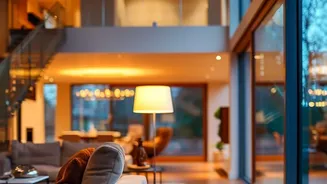
and express personality. Instead of relying on a single overhead source that can make a room feel flat, the trend is moving towards 'layered lighting'—a thoughtful combination of ambient, task, and accent lights. This approach allows a living room to transform from a bright, functional space during the day to a warm, inviting sanctuary at night, all with the flick of different switches.
The Rise of the Statement Piece
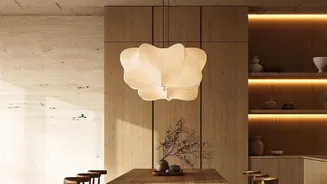
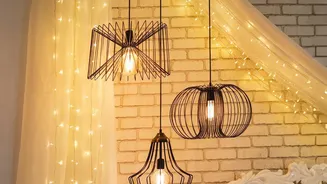
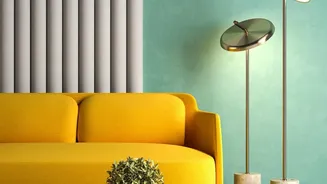
At the heart of this trend is the statement light, a fixture so striking it doubles as a piece of art. Sculptural floor lamps with abstract forms and oversized pendant lights are now acting as the centerpiece of a room, a role once reserved for furniture or artwork. Modern chandeliers have also been reimagined. Heavy, traditional crystals are making way for abstract, geometric designs featuring intersecting rings and fluid shapes, often crafted from lightweight metals in gold or matte black finishes. These fixtures command attention even when switched off, adding a touch of drama and sophistication to living rooms, dining areas, and double-height foyers.
A Style for Every Space
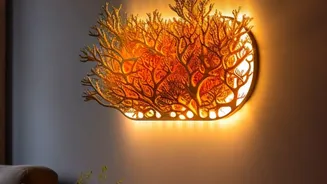
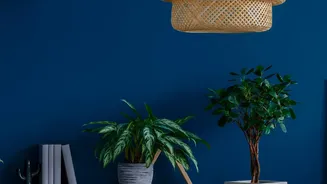
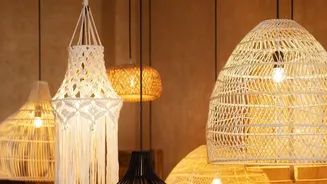
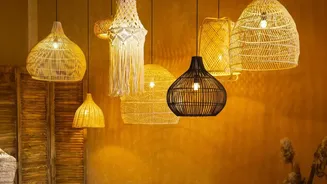
The beauty of this new wave of decorative lighting is its sheer variety. For lovers of organic design, there are fixtures made from natural materials like jute, rattan, bamboo, and cane, which diffuse light beautifully and add a warm, earthy texture to a space. In kitchens and dining areas, clusters of pendant lights hanging over islands or tables are becoming a popular way to create visual rhythm and provide focused task lighting. Even wall sconces are being treated as luminous art, with decorative fixtures in fluted glass or brushed metals replacing traditional up-down lighters, especially in bedrooms and hallways. From minimalist linear lights to botanical-inspired luminaires, there is a design to complement every interior style.
Why Now? The Drivers of the Trend
Several factors are fuelling this bright new era in home decor. Increased exposure to global design trends through social media platforms like Instagram and Pinterest has inspired homeowners to be more experimental. The post-pandemic era has also placed a greater emphasis on the home as a personal sanctuary, a space worthy of investment and self-expression. Furthermore, there's a growing market of Indian design studios and brands creating contemporary, handcrafted lighting, making bespoke and artisanal pieces more accessible. As modern Indian homes often feature open-plan layouts, decorative lighting has become an effective way to define different zones—like separating a living and dining area—without building walls.
Embracing Layers and Technology
Adopting this trend is about more than just buying a beautiful lamp; it's about strategy. Interior designers emphasize the importance of mixing the three main layers of light. Ambient lighting, like recessed LEDs or a central chandelier, provides overall illumination. Task lighting, such as a floor lamp by a reading chair or pendants over a kitchen counter, focuses on specific activities. Finally, accent lighting, like a wall light highlighting a piece of art, adds depth and character. Technology is also playing a key role, with smart lighting systems allowing homeowners to change brightness and even colour temperature via apps or voice commands, offering ultimate control over the home's atmosphere.