

Choose Your Destination Wisely
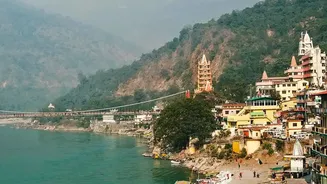
Not all parts of India are equal during the monsoon. While some areas become dangerously prone to landslides and flooding, others receive just enough rain to become breathtakingly beautiful. Destinations in the rain-shadow region, like parts of Rajasthan
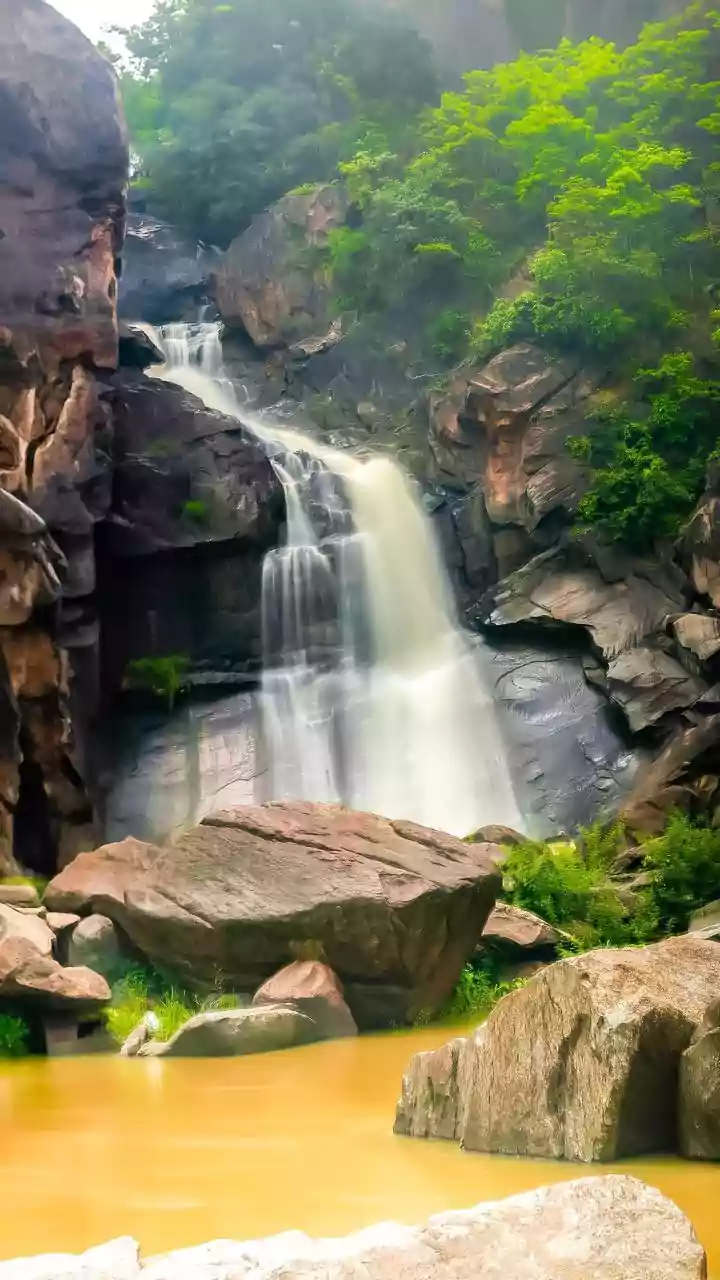
(Udaipur, Mount Abu) or the Deccan Plateau, experience less intense rainfall, making them ideal. Hill stations like Coorg in Karnataka and Munnar in Kerala are famous for their monsoon beauty, with misty hills and full waterfalls. However, it is crucial to avoid areas known for heavy rainfall and landslides, such as parts of Uttarakhand, Himachal Pradesh, and Sikkim, during the peak monsoon months of July and August. Always check the local weather forecast and advisories a few days before and during your trip.
Master the Art of Packing
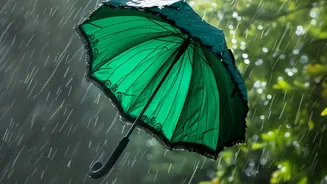
Your packing strategy can make or break a monsoon trip. The key is to pack light with clothes and gear that can handle moisture. Opt for quick-drying synthetic fabrics over cotton, which takes a long time to dry in high humidity. A lightweight waterproof rain jacket is more practical than an umbrella, which can be useless in strong winds. Good quality waterproof footwear with a strong grip is essential for navigating slippery and wet surfaces. Also, pack a waterproof bag or dry sacks to protect your electronics, documents, and other valuables. Don’t forget a powerful mosquito repellent, as the stagnant water increases the mosquito population, and a basic first-aid kit with medicines for common ailments like colds and stomach upsets.
Build a Flexible Itinerary
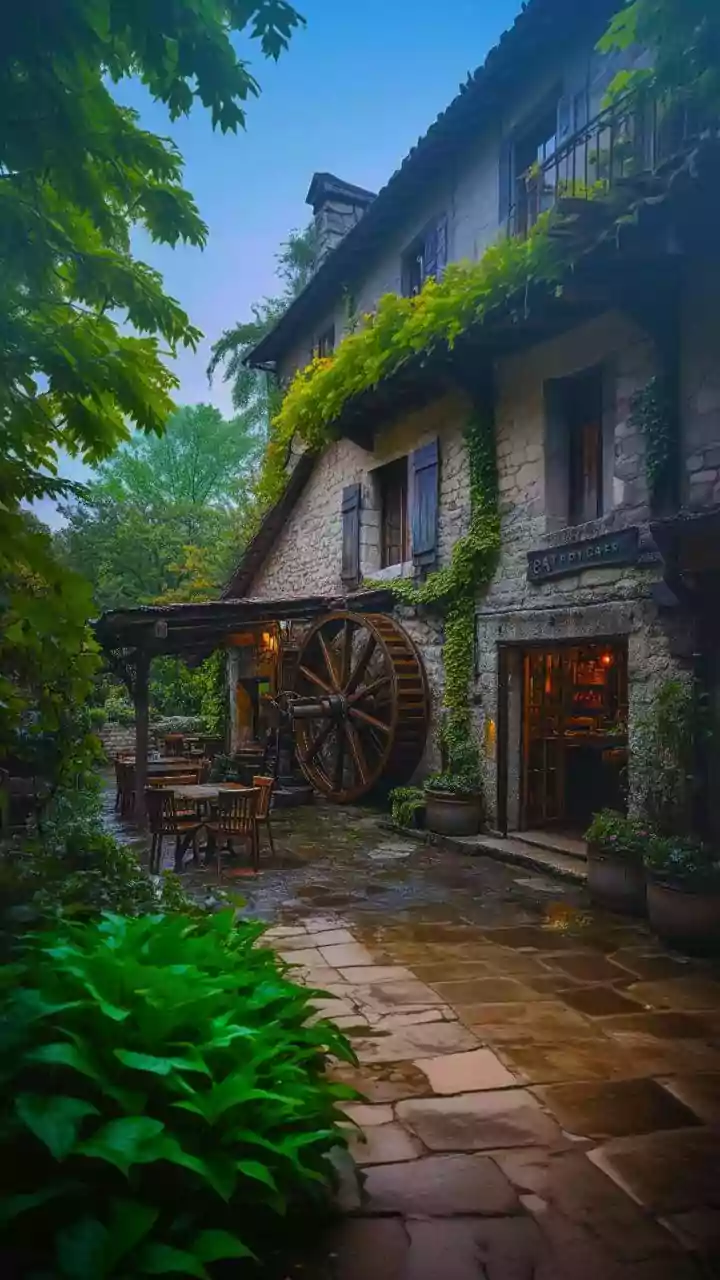
The single most important rule for monsoon travel is to remain flexible. Delays and cancellations are common, whether you are travelling by road, rail, or air. It is wise to build buffer days into your schedule to account for potential disruptions. Avoid booking tight connections between flights, trains, or buses. When booking accommodation and transport, look for options with flexible cancellation or rescheduling policies. Having a backup plan for activities is also a good idea; for every outdoor excursion, have an indoor alternative like visiting a museum, trying a cooking class, or simply enjoying the rain from a cosy café.
Prioritise Health and Safety
Staying healthy is paramount during the monsoon, a time when waterborne diseases are more prevalent. Avoid drinking tap water; stick to bottled or purified water. Be cautious with street food, especially uncooked items like salads or pre-cut fruit, as high humidity can lead to rapid bacterial growth. It's safer to eat freshly cooked, hot meals from hygienic restaurants. When travelling by road, be aware that conditions can be hazardous. Drive slowly, maintain a safe distance from other vehicles, and never attempt to cross flooded roads. If possible, avoid driving on hill roads after dark.
Embrace the Rain and Go Slow
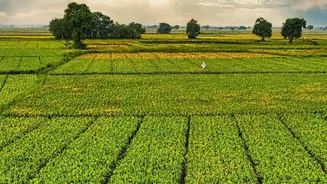
Ultimately, the best way to enjoy a monsoon trip is to accept that some things are out of your control. A sudden downpour might cancel your plans, but it can also create a magical atmosphere. Instead of getting frustrated by delays, use the downtime to relax, read a book, or interact with locals. The monsoon encourages a slower pace of travel, allowing you to appreciate the vibrant green landscapes, the smell of wet earth, and the drama of a rain-swept sky. The journey itself, with all its unpredictability, becomes part of the adventure.