






Why a Damp Dog Is a Health Risk
The shift from a casual wipe-down to a thorough drying routine isn't about fussiness; it's rooted in veterinary science. The high humidity of the Indian monsoon means a dog's coat, especially if it's thick or double-layered, can remain damp for hours
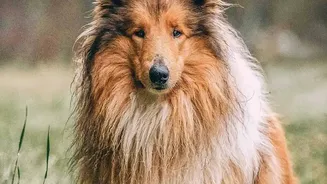
after getting wet. This creates a warm, moist environment on the skin, an ideal breeding ground for fungi and bacteria. Vets across India report a sharp spike in skin issues between June and September, with fungal infections, yeast overgrowth, and painful hot spots (acute moist dermatitis) being the most common complaints. Trapped moisture between paw pads and in skin folds, like in armpits, can lead to persistent itching and infections. Beyond the skin, a damp coat can also make dogs more susceptible to chills and lower their overall immunity.
The New Rules of a Rainy Walk
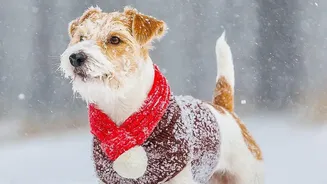
Prevention starts before you even step out the door. A well-fitting, lightweight raincoat is now a common sight on dogs in Indian cities. These garments are not just a fashion statement; they significantly reduce the amount of fur that gets soaked, making the post-walk drying process faster and more effective. Another crucial aspect of monsoon care is protecting the paws. Pet parents are increasingly using waterproof booties or applying a protective paw balm before walks. This creates a barrier against dirty street water, which can carry harmful bacteria like the kind that causes leptospirosis, a serious illness that can spread from animals to humans. The new wisdom is to avoid stagnant puddles entirely and to keep walks shorter but more frequent during heavy rain.
The Art of the Post-Walk Dry
The core of this trend is the drying ritual itself. The first step, unanimously recommended, is to tackle the paws. They are the primary point of contact with mud and contaminated water. A thorough wipe with a damp cloth followed by a dry towel is essential. For the coat, the old cotton towel is being replaced by high-absorbency microfiber towels. These towels are designed to soak up more water, more quickly, without harsh rubbing. Pet parents are advised to blot or pat the dog's fur, paying special attention to the underbelly, groin, and behind the ears, where moisture loves to hide. For breeds with dense coats, a hair dryer on a low-heat, low-speed setting is becoming a non-negotiable final step to ensure the fur is dry right down to the skin.
A Growing Market Responds
This growing awareness has not gone unnoticed by the pet care industry in India. A whole new category of products tailored for monsoon care is now readily available online and in stores. You can find everything from quick-dry towels and pet-specific hair dryers to anti-fungal wipes and waterless shampoos designed for in-between baths. Specialised services, such as pre-monsoon grooming that includes trimming fur short to make drying easier, are also gaining popularity. Paw cleaning stations, featuring absorbent mats and dedicated paw washers, are becoming a fixture by the entryway in many pet-friendly homes. This shift reflects a deeper understanding among Indian pet owners that proactive, preventive care is the best way to navigate the challenges of the rainy season.