





The Traditional, Healthy Lassi
At its heart, a traditional lassi is a marvel of simplicity and health. Made by blending yogurt (dahi) with water and a pinch of salt or spices like roasted cumin, it’s a powerhouse of nutrition. The yogurt provides probiotics, which are excellent for
gut health, aiding digestion and boosting immunity. It's also a fantastic source of calcium for strong bones and protein that helps you feel full and satisfied. In its purest form, especially the savoury 'chaas' or salted lassi, it's a low-calorie, hydrating drink perfect for replenishing electrolytes lost in the Indian heat. This is the lassi that has earned its reputation as a wholesome health drink.
The Turning Point: When Lassi Gets Loaded
The problem arises when we move from this simple concoction to the elaborate creations found in many restaurants and cafes today. The 'overloaded' lassi is often marketed as a premium beverage, but the upgrades come at a nutritional cost. What starts as a simple yogurt drink can quickly become a liquid dessert, with a calorie count that rivals a slice of cake or a milkshake. These additions, while delicious, fundamentally change the nature of the drink, shifting it from a healthy staple to an occasional, heavy indulgence.
Culprit #1: The Sugar Rush
The primary offender in most modern sweet lassis is sugar. A traditional sweet lassi might have a spoonful, but commercial versions are often saturated with it to appeal to a wider palate. Many are made with pre-made fruit syrups, sweetened yogurts, or generous heaps of refined white sugar. A single glass can contain several tablespoons of sugar, easily exceeding the recommended daily intake. This not only adds empty calories but also leads to blood sugar spikes and crashes, leaving you feeling tired and craving more sugar later.
Culprit #2: The Fat Factor
To achieve that ultra-creamy, decadent texture, many lassis are made with full-fat yogurt, or worse, have additions like fresh cream (malai) or even scoops of ice cream blended in. While a little fat is necessary for our bodies, these additions dramatically increase the saturated fat and calorie content. A lassi fortified with a dollop of malai and a scoop of vanilla ice cream is no longer a light, digestive aid; it's a rich dessert that can be heavy on both your stomach and your waistline.
Culprit #3: The Topping Trap
Finally, consider the toppings. A sprinkle of chopped almonds or pistachios can add a lovely texture and healthy fats. But 'special' lassis often come buried under a mountain of toppings: heaps of mixed nuts, slivered dried fruits (which are high in concentrated sugar), tutti-frutti, chocolate shavings, and syrupy glazes. While these ingredients are fine in moderation, piling them onto an already-sweetened, creamy drink adds hundreds of extra calories, turning your refreshing beverage into a full-blown meal.
How to Build a Better Lassi
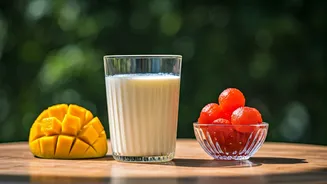
You don't have to give up your beloved lassi. Just be smarter about it. 1. **Go DIY:** The best way to control what's in your lassi is to make it at home. You can manage the sugar and choose your ingredients. 2. **Choose Plain Yogurt:** Start with simple, plain yogurt (dahi) as your base, preferably low-fat if you're watching calories. 3. **Sweeten Naturally:** Instead of refined sugar, use the natural sweetness of whole fruits. A ripe mango, a handful of berries, or a banana can provide flavour and sweetness along with fibre and vitamins. 4. **Spice It Up:** Embrace savoury lassi. A pinch of black salt, roasted cumin powder, and fresh mint creates a delicious and incredibly refreshing drink with minimal calories. 5. **Be Mindful When Ordering:** If you're buying a lassi, ask for it to be made with less sugar or no sugar at all. Skip the extra cream and go easy on the toppings.