







Mithai, But Make It Mini
For generations, the Indian sweets box—or *mithai ka dabba*—was a symbol of joyous, maximalist celebration. Opened at festivals, weddings, and family gatherings, it revealed large, intensely sweet creations: dense squares of fudge-like barfi, syrupy spheres
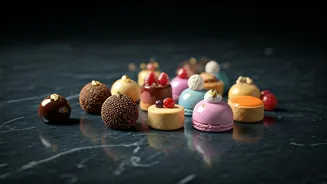
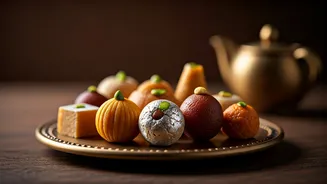
of gulab jamun, and intricate, ghee-rich pieces of ladoo. While beloved, these traditional sweets were often an all-or-nothing indulgence. Enter the modern mithai. Artisanal sweet-makers and innovative home cooks across the U.S. are reinventing these classics for a new audience. The key innovation? Shrinking them. Imagine a gulab jamun the size of a marble, a pistachio barfi cut into a perfect tiny cube, or a motichoor ladoo no bigger than a chocolate truffle. These are not just smaller portions; they are a fundamental rethinking of the experience, designed for tasting and sampling rather than a full-on sugar rush.
The Gen Z Appeal: Portion, Palate, and Pictures
So why is this trend resonating so strongly with younger Americans, particularly Gen Z? It’s a perfect storm of the generation’s core values. First, there's the wellness angle. In an era of portion control and mindful eating, a single-bite sweet offers the flavor of indulgence without the commitment or guilt of a larger dessert. It satisfies a craving for something special without derailing health goals. Second, it caters to the exploratory palate. Gen Z is famously adventurous with food, and a box of assorted mini-mithai is like a tasting flight for desserts. You can sample rose, cardamom, pistachio, and saffron in one sitting, discovering your favorites without being overwhelmed. It lowers the barrier to entry for a cuisine that might be unfamiliar. Finally, and crucially, there’s the Instagram factor. These miniature sweets are undeniably beautiful—jewel-toned, often decorated with edible silver leaf or delicate nuts. They are perfectly crafted for a close-up shot, making them a natural fit for visually driven platforms like Instagram and TikTok, where the hashtag #mithai is filled with these photogenic creations.
A Bridge to Heritage
For many young South Asian Americans, this trend is about more than just aesthetics. It represents a powerful and personal way to connect with their heritage. While they may have grown up with these flavors, the traditional forms might feel dated or too intense for their modern lifestyles. Miniature mithai offers a bridge between the world of their parents and grandparents and their own contemporary identity. It's tradition, remixed. These sweets allow them to participate in cultural rituals—like sharing sweets during Diwali or Eid—in a way that feels authentic to them. Entrepreneurs in this space are often second-generation immigrants who are passionate about preserving their culinary history while updating it for their peers. They are infusing traditional recipes with new flavors like lavender, matcha, or salted caramel, creating a delicious dialogue between past and present.
Where Tradition Meets the Marketplace
This isn't just a niche, at-home phenomenon. A burgeoning market of startups and artisanal confectioners has sprung up to meet the demand. Online boutiques and slickly branded shops in cities like New York, Chicago, and Los Angeles are selling beautifully packaged boxes of mini-mithai that look more at home in a luxury department store than a traditional sweet shop. Businesses like New York’s Tagmo or California-based La Meva are gaining national recognition for their high-quality, modern approach. These companies understand their audience perfectly. Their marketing emphasizes clean ingredients, elegant presentation, and the story behind the sweets. They position mithai not just as a dessert, but as a sophisticated gift and a gourmet experience, successfully expanding its appeal beyond the South Asian diaspora to a wider audience of curious foodies.