




A Nationwide Shift in Travel Priorities
Across India, a significant trend is emerging as travellers increasingly prioritise environmental responsibility and authentic experiences. The post-pandemic world has accelerated a desire for open spaces and a deeper connection with the natural world,
moving away from conventional sightseeing towards more purpose-driven journeys. Reports indicate a growing determination among Indian travellers to make sustainable choices, with many expressing a desire to leave destinations better than they found them. This mindset shift is fueling the demand for holidays that offer a genuine escape and a chance to unplug, from wildlife safaris and trekking to rural homestays and wellness retreats.
What is a 'Nature-First' Holiday?
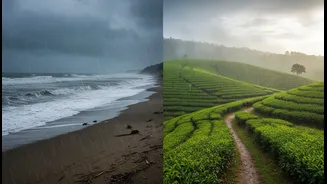
This evolving travel style goes beyond simply visiting a place with nice scenery. It encompasses a range of experiences designed around principles of conservation, sustainability, and immersion. Ecotourism, a major component, focuses on responsible travel to natural areas, with destinations like Kerala's backwaters, Kaziranga in Assam, and Munnar's tea gardens leading the way. Another rapidly growing segment is agritourism, where visitors stay on farms or rural properties to experience agricultural life, from fruit-picking in Uttarakhand to learning about coffee cultivation in Coorg. This category also includes adventure tourism in regions like Himachal Pradesh and Nagaland, and wellness retreats in the Himalayas that combine healing practices like yoga and Ayurveda with a tranquil, natural setting.
India's Emerging Green Hotspots
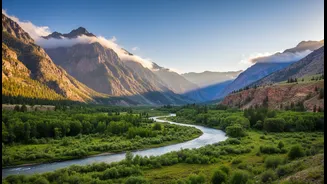
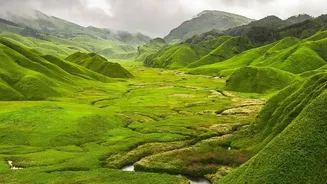
While traditional destinations remain popular, travellers are increasingly venturing off the beaten path to explore India's hidden gems. The Northeast is gaining traction for its pristine landscapes, with places like Dzukou Valley in Nagaland and Ziro Valley in Arunachal Pradesh offering incredible trekking and cultural immersion. In the Himalayas, lesser-known areas like Gurez Valley in Jammu & Kashmir and Tirthan Valley in Himachal Pradesh provide serene mountain escapes away from the crowds. The Western Ghats also offer numerous options, from the lush forests of Bhimgad Wildlife Sanctuary in Karnataka to eco-lodges in the hills of Maharashtra. These destinations are becoming popular for their untouched beauty and the opportunity to engage in low-impact, responsible tourism.
The Rise of the Conscious Traveller
This trend is powered by a new kind of tourist: one who is more aware of their environmental and social impact. A significant percentage of Indian travellers now actively seek sustainable travel options and are willing to visit lesser-known locations to help reduce the pressure on popular tourist sites. This conscious approach extends to choosing eco-friendly accommodations, supporting local communities by buying local products, and respecting cultural customs. The goal is no longer just to 'see' a place, but to experience it authentically and contribute positively to its preservation, ensuring that India's natural beauty can be enjoyed by future generations.