



The ongoing US-Iran conflict has moved beyond daily headlines into a crucial, real-world test of military strength. For observers, it raises critical questions about the true nature of Iran's most prized military asset: its missile infrastructure.
The Cornerstone of Deterrence
For
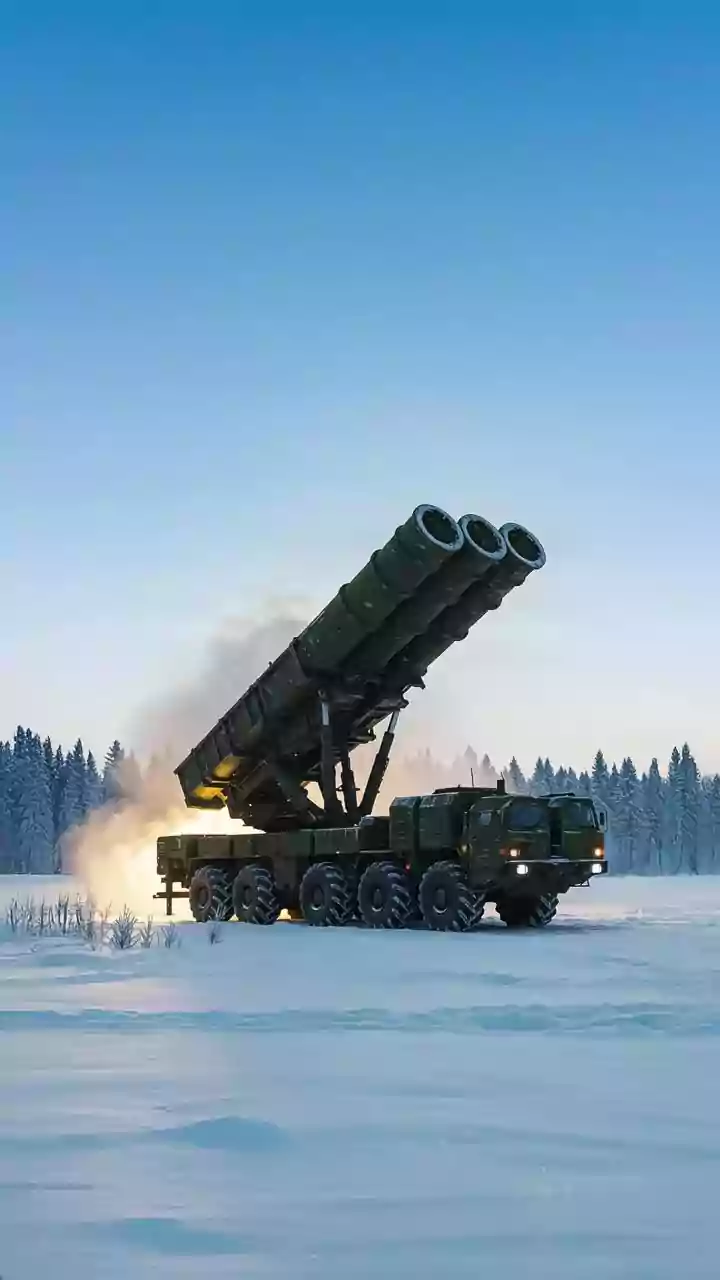
decades, Iran’s military strategy has been built around its missile program. Lacking a modern air force due to international sanctions, Tehran has instead invested heavily in developing the largest and most diverse missile arsenal in the Middle East. This strategy, born from the hard lessons of the Iran-Iraq War, is designed to deter more technologically advanced adversaries like the United States and Israel. The core idea is not to win a conventional war, but to make any attack on Iran so costly for the aggressor that it becomes unthinkable. Missiles, which are difficult to defend against when launched in large numbers, are the primary tool for this 'deterrence by punishment' doctrine, giving Tehran the ability to project power and retaliate across the region.
An Arsenal Under Scrutiny
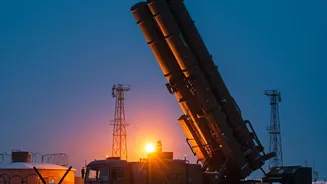
Iran's arsenal includes thousands of short and medium-range ballistic and cruise missiles, with names like Shahab, Fateh, and Kheibar Shekan becoming familiar in military briefings. Before the recent conflicts, estimates suggested Iran possessed over 3,000 missiles. For years, Iran claimed a self-imposed range limit of 2,000 kilometers, capable of hitting Israel and parts of Eastern Europe. However, recent statements from Iranian officials suggest this limit is no longer in place, with warnings that US bases outside the region could become targets in future hostilities. Despite the large numbers, a key debate has always centered on their quality—specifically, the accuracy of their guidance systems and their reliability in actual combat. The latest conflict has provided the first significant data to answer that question.
Performance Under Fire
The 2026 conflict has offered a mixed but revealing picture of Iran's missile capabilities. While US and allied missile defenses have been effective, intercepting a high percentage of incoming threats, Iranian missiles have still managed to penetrate and cause damage. During the recent rounds of combat, Iran launched over 2,000 ballistic missiles across the region. Some of these demonstrated impressive accuracy, striking specific military facilities, radar sites, and buildings. However, even unsuccessful attacks have proven costly for defenders, forcing the use of large numbers of expensive interceptors to counter relatively cheap Iranian missiles and drones. This asymmetric cost exchange is a strategic victory in itself, straining the resources of Iran's adversaries.
The Resilience of the Infrastructure
Perhaps more surprising than the missiles' performance has been the resilience of the infrastructure that supports them. Despite a sustained US-Israeli air campaign targeting production facilities and launch sites, Iran has demonstrated a remarkable ability to 'reconstitute under fire'. A key element of this is a dispersed and hardened network of underground facilities for assembly and storage, many of which proved impervious to attack. Satellite imagery shows that even after significant damage to above-ground sites, Iran has been able to quickly repair infrastructure and continue operations, likely by assembling new missiles from stockpiled components hidden in these subterranean complexes. This suggests that destroying Iran's missile capability is far more difficult than previously assumed.
Lingering Uncertainties
Despite the new insights, significant questions remain. The conflict has shown that Iran can sustain missile launches while under pressure, but for how long? The country's industrial base has been damaged, and while it has shown an ability to rebuild, there may be bottlenecks in producing advanced components. Furthermore, while some missiles have shown precision, the overall reliability of the arsenal, especially its more advanced systems, is still being assessed. Analysts believe the conflict will likely result in a smaller but selectively more sophisticated Iranian missile force, as Tehran learns which weapons are most effective and adapts its strategy. It has also doubled down on its drone program, which works in tandem with its missiles to saturate defenses. The answers to these lingering questions will undoubtedly shape the strategic balance in the Middle East for years to come.