




From Sightseeing to Flavour Seeking
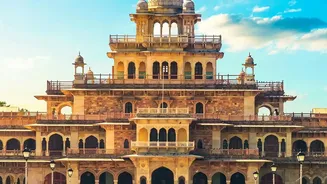
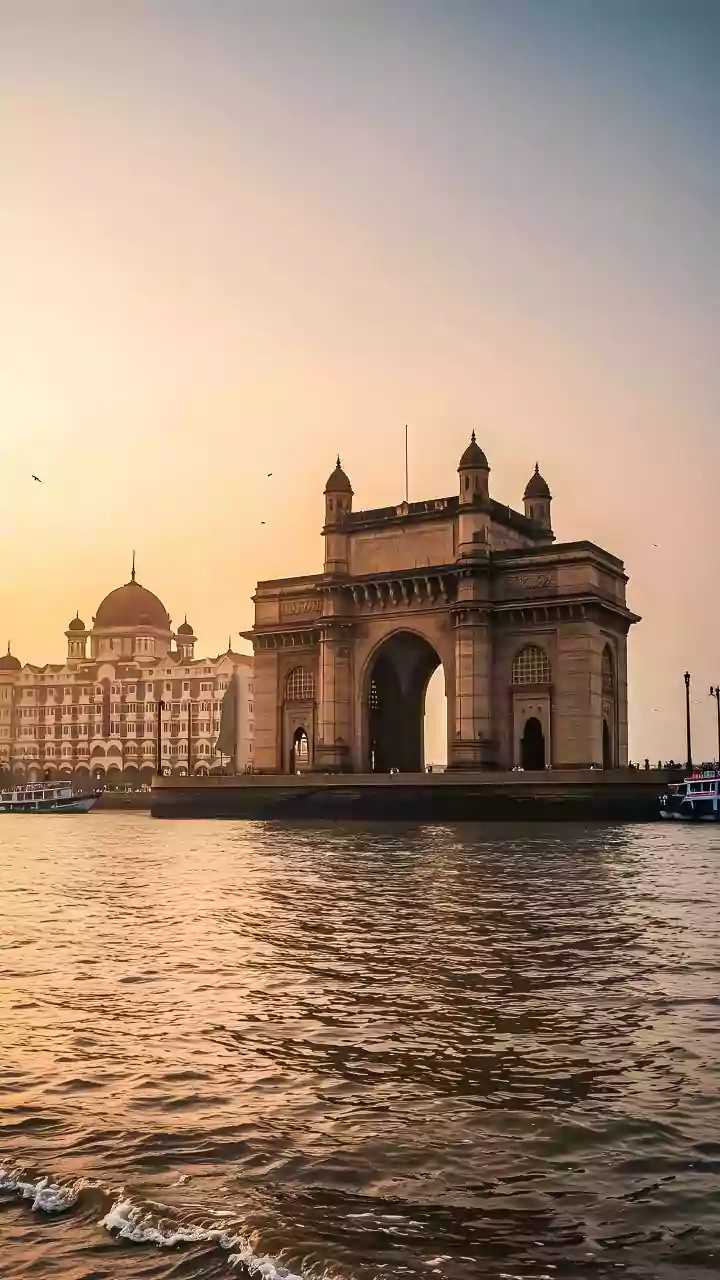
For decades, Indian domestic tourism followed a familiar script: visit the famous fort, see the grand palace, and take a photo at the popular beach. Food was often an afterthought. Today, that script is being rewritten by a generation of travellers, particularly
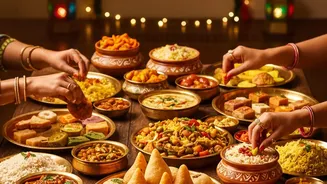
those between 22 and 40, who are putting cuisine at the very heart of their itineraries. This shift marks a move away from passive sightseeing towards immersive, sensory experiences. Instead of just seeing a place, these modern adventurers want to taste it. They are seeking out culinary trails in lesser-known locales, transforming sleepy towns into bustling hubs of gastronomic discovery.
The Search for Authenticity
What's driving this hunger? A desire for authenticity in an increasingly globalised world. Young food enthusiasts are looking for experiences that feel real and connected to local culture. They want to understand the story behind a dish, from the farm where the ingredients were grown to the generations-old recipe used to prepare it. This has led them to the vibrant, hyperlocal food scenes of India's smaller towns. Here, they can find everything from the fiery Chettinad chicken curry in rural Tamil Nadu to the fragrant 'Jadoh' rice of Shillong or the comforting 'Bai' stew in Aizawl, Mizoram. These are dishes and flavours that are deeply rooted in their specific geography and can't be replicated elsewhere.
A Taste of Underrated India
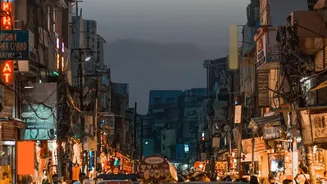
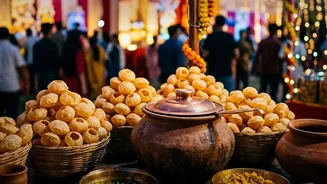
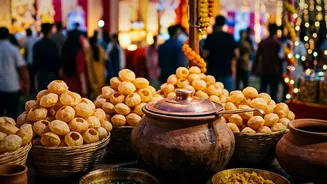
While major cities like Delhi and Mumbai are known for their street food, the real discoveries are happening off the beaten path. In Odisha, travellers are exploring the subtleties of Odia cuisine, which is light, simple, and deeply connected to temple traditions. The coastal towns of Kannur and Thalassery in Kerala are being celebrated as underrated gems for their unique biryanis and seafood. In the hills of Himachal Pradesh, people are discovering soulful 'Pahadi' comfort food, while villages in Uttarakhand offer farm-to-table experiences. Even religious hubs like Banaras are becoming known for culinary gems like 'Tamatar Chaat', a spicy, tangy tomato-based snack found in its bustling lanes.
Boosting Main Street, One Meal at a Time
This trend is more than just a fun travel experience; it's a vital economic lifeline for these small communities. When tourists visit for food, their spending directly supports local farmers, small restaurant owners, homestay operators, and artisans. Unlike in big cities where money might go to large hotel chains, culinary tourism in small towns distributes wealth more evenly throughout the local economy. This focus on local cuisine also helps preserve cultural heritage by creating economic incentives for people to continue practicing traditional cooking methods and farming. It keeps local handicrafts and food traditions alive for the next generation.