



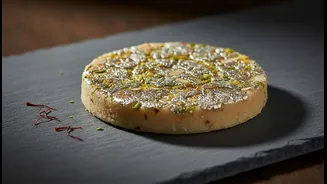


The Sweet Revolution
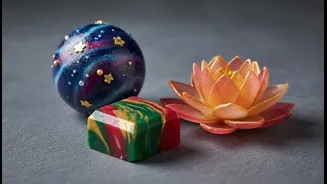
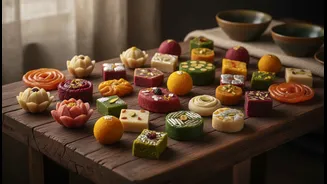
For generations, Indian mithai has been an edible heirloom, a sweet tied to festivals, family, and tradition. But a shift is underway. Driven by changing palates, global exposure, and a desire for social media-worthy aesthetics, a new wave of chefs and boutique
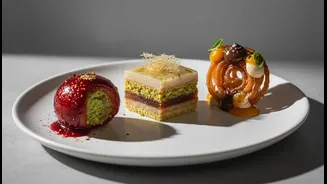
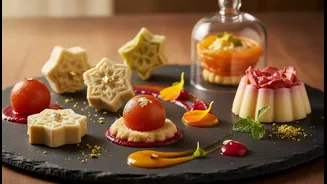
brands are reinventing these classics. Brands like Bombay Sweet Shop, Khoya, and Arq are leading the charge, transforming the humble mithai shop into a space of culinary artistry. This evolution isn't just about new flavours; it's about creating a modern lifestyle statement, where a box of mithai competes with luxury chocolates and gourmet pastries for a place at the celebration table. The result is a fascinating hybrid, where the warmth of ghee meets the precision of a French patisserie.
What Defines Playful Innovation?
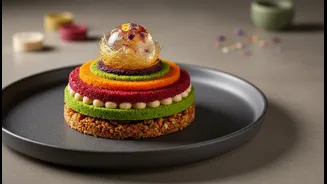
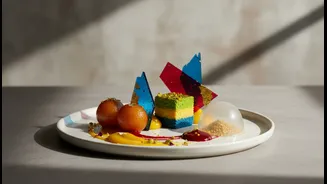
A playful mithai is one where innovation is thoughtful. It respects the original sweet's soul while adding a new dimension. This can take many forms. It might be the use of high-quality, unconventional ingredients like coffee, dulce de leche, or matcha. Bombay Sweet Shop, for instance, offers a Coffee Rasgulla Tiramisu, blending a Bengali specialty with an Italian classic. It can also involve applying modern techniques, such as deconstructing a motichoor ladoo into a layered dessert or creating a snap-able Kaju Katli bar. Others are focusing on health-conscious updates, using natural sweeteners like jaggery and dates, or creating vegan and gluten-free options that don't compromise on taste. The key is balance; the new elements must complement the traditional flavours, not erase them. It's a dialogue with the past, not a rejection of it.
When Playfulness Becomes a Gimmick
The line is crossed when novelty outweighs substance. A gimmick is often about shock value for social media, with little regard for taste. Think of bizarre flavour combinations that sound interesting but don't work, or the excessive use of glitter and neon colours purely for visual appeal. A Reddit thread discussing food trends highlights how easily an aesthetic can become a prop rather than something to be savoured. The term “handcrafted” can itself become a gimmick when applied to everything without meaning. While social media has helped popularise modern mithai, it can also encourage trends that are all sizzle and no steak. If a fusion sweet, like a Nutella gujiya or Oreo laddoo, doesn't offer a balanced and delicious flavour experience, it risks being a fleeting fad rather than a lasting innovation.
The Masters of Modern Mithai
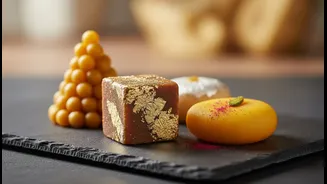
Several chefs and brands exemplify the art of playful reinvention. Bombay Sweet Shop in Mumbai is known for its mischievous and maximalist approach, creating treats like a 3-Layer Chocolate Fudge with dark chocolate peda and peanut chikki. Master Chef Ajay Chopra's Kshir & Canelé aims to marry Indian mithai with French pastry concepts, reflecting a deep culinary thought process. Brands like Arq focus on artisanal, natural ingredients, offering delicacies such as besan truffles and caramel pedhas. Even in New York, Chef Surbhi Sahni of Tagmo is redefining mithai with an emphasis on high-quality ingredients, refined sweetness, and options for various dietary needs. These creators are successful because they prioritize deliciousness and respect for the craft above all else.
Preserving Tradition, Embracing Change
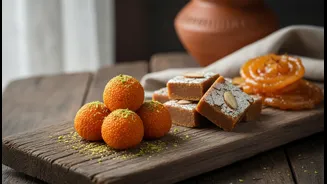
Ultimately, the most successful modern mithai doesn't try to replace the classics. Instead, it builds a bridge between heritage and innovation. It acknowledges that while flavours evolve, the emotional connection to mithai remains. The comfort of a traditional laddoo or barfi is timeless. The new creations offer a different kind of experience—one that is refined, surprising, and aligned with contemporary lifestyles. By reimagining these beloved sweets, modern chefs are ensuring their relevance for a new generation. They are proving that Indian sweets can be both a cherished memory and an exciting discovery, all in the same bite.