

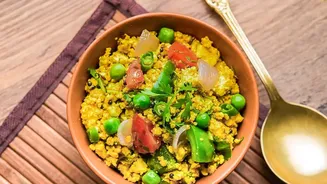


1. Millets for White Rice
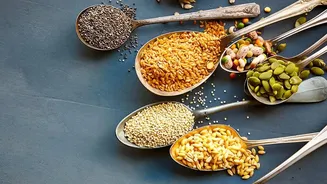
Once considered a humble grain, millets like jowar, bajra, and ragi are making a major comeback. Unlike polished white rice, millets are packed with fibre, protein, and essential minerals. This switch is driven by a desire for better blood sugar control
and sustained energy. While overall millet consumption has declined over decades, a recent push for nutri-cereals has seen them reappear in everything from dosa batters to breakfast bowls. Their resilience to drought also makes them an environmentally smarter choice than water-intensive rice.
2. Plant-Based Milk for Dairy
The dairy aisle now has company. Almond, soy, and oat milks are no longer niche products, with the Indian plant-based milk market seeing significant growth. This trend is fuelled by rising lactose intolerance, ethical concerns, and general health awareness. Soy milk leads the market in India due to its affordability and established supply chain, but oat milk is quickly gaining traction in urban cafes and homes for its creamy texture that works well in coffee and tea.
3. Cold-Pressed Oils for Refined Oils
Urban consumers are moving away from industrially refined oils toward cold-pressed or 'kachi ghani' versions. The logic is simple: refined oils undergo high heat and chemical processing that strips them of natural nutrients and antioxidants like Vitamin E. Cold-pressing, a mechanical process without heat, preserves these beneficial compounds, along with the natural flavour of the seed (mustard, sesame, or groundnut). This shift reflects a growing preference for less processed, more natural foods, despite the higher cost.
4. Whole Wheat Atta for Maida
The battle of the flours is tilting firmly in favour of whole wheat (atta) over refined flour (maida) for daily use. Maida is made by stripping wheat of its fibrous bran and nutrient-rich germ, leaving only the starchy endosperm. This can lead to blood sugar spikes and poor gut health with regular consumption. For daily staples like rotis and parathas, urban families are sticking to traditional whole wheat flour, valuing its fibre and nutrients for better digestion and long-term health.
5. Jackfruit for Meat
Long a part of traditional Indian cuisine as 'kathal,' unripe jackfruit is now gaining global fame as a plant-based meat substitute. Its fibrous, stringy texture, when cooked, mimics that of pulled pork or shredded chicken, making it incredibly versatile. While it's not a high-protein food, its meat-like consistency and ability to absorb spices make it a popular choice in curries, biryanis, and even tacos for those looking to reduce their meat intake.
6. Natural Sweeteners for Refined Sugar
The war on white sugar is on. With rising concerns about diabetes and obesity, Indians are actively seeking healthier ways to sweeten their food and drinks. While traditional options like jaggery and honey remain popular, zero-calorie natural sweeteners like stevia and monk fruit are gaining ground. These plant-derived substitutes don't spike blood sugar levels, making them a preferred choice for the health-conscious consumer.
7. Greek Yogurt for Regular Dahi
While homemade dahi remains a staple, Greek yogurt has carved out a significant space in the urban Indian diet. The main difference lies in the straining process; Greek yogurt is strained to remove whey, resulting in a thicker, creamier product with nearly double the protein. This higher protein content makes it more filling, appealing to fitness enthusiasts and those focused on weight management. However, traditional dahi often contains a more diverse range of local probiotic strains beneficial for gut health.
8. Cauliflower Rice for White Rice
A darling of the low-carb world, cauliflower rice is a popular grain-free swap. It's simply cauliflower grated into rice-sized pieces. The appeal is its dramatically lower carbohydrate and calorie count compared to traditional rice, making it a favorite for keto and other low-carb diets. While it was traditionally used in some Punjabi dishes as 'gobhi kutra,' its modern avatar sees it used as a base for everything from stir-fries to burrito bowls.
9. Makhana for Packaged Chips
Fox nuts, or makhana, have transitioned from a traditional fasting food to a mainstream everyday snack. Roasted and lightly seasoned, they offer a satisfying crunch without the high fat and sodium content of fried potato chips and other namkeens. As consumers look for healthier, high-protein snacking options, makhana fits the bill perfectly, offering a light yet filling alternative.
10. Quinoa for Other Grains
Though a premium product, quinoa has established a firm foothold in health-conscious urban kitchens. It's often chosen for its reputation as a 'complete protein,' containing all nine essential amino acids. While local millets offer a comparable and more sustainable nutritional profile, quinoa's global superfood status has made it a popular addition to salads and healthy meal bowls.