







The 20-Minute Satiety Delay
The first culprit behind this phenomenon is a simple matter of timing. There's a significant delay—roughly 20 minutes—between when you start eating and when your brain actually gets the message that you're full. [8, 9] This communication happens through
a complex system of hormones. When you eat too fast, you can easily consume more calories than your body needs before your brain has a chance to raise the “stop” signal. [16] Studies have shown that people who eat slowly tend to consume fewer calories and report feeling fuller. [4, 11] Eating quickly not only increases the risk of overeating in the moment but also bypasses the crucial first steps of digestion that happen in the mouth, potentially leading to indigestion and bloating. [8, 9]
Meet Your Hunger Hormones: Ghrelin and Leptin
Your appetite is largely regulated by two key hormones: ghrelin and leptin. [26] Ghrelin is known as the 'hunger hormone'; its levels rise before a meal to stimulate your appetite and fall after you eat. [25, 29] Leptin, on the other hand, is the 'satiety hormone', which is released from fat cells to signal to your brain that you're full. [20, 26] Eating too quickly can disrupt the delicate balance of these hormones. Research suggests that eating fast impairs the release of appetite-suppressing hormones like GLP-1 and PYY. [3] Meanwhile, some studies indicate that when people eat fast, their ghrelin levels don't fall as significantly as they should, leaving them feeling less satisfied and prone to hunger soon after. [3, 13]
It’s Not Just Speed, It’s the Food Itself
The term 'fast meal' often goes hand-in-hand with 'ultra-processed food' (UPF). These foods—think packaged snacks, sugary drinks, and instant meals—are engineered to be convenient and hyper-palatable. [1] However, they are typically low in fibre and protein but high in refined carbohydrates, sugar, and unhealthy fats. [1] This composition is a recipe for short-lived satisfaction. Your body digests these foods very quickly, causing a rapid spike in blood sugar followed by a sharp crash. [12] This crash can trigger feelings of fatigue, moodiness, and, you guessed it, more hunger. [12] Furthermore, studies have shown that diets high in UPFs are linked to increased calorie consumption and weight gain, partly because they disrupt the body's natural hunger and fullness signals. [3, 13]
The Brain-Gut Disconnect
Beyond hormones, ultra-processed foods may also rewire our brains. [2] Research suggests that UPFs can bypass the normal gut-brain axis that regulates hunger. [3] Because they are so soft and easy to consume, they may be digested higher up in the gastrointestinal tract, missing the opportunity to trigger the release of satiety hormones further down. [3] This can lead to a state of 'hidden hunger', where you’ve consumed plenty of calories but your body is still craving the micronutrients (vitamins and minerals) that were stripped away during processing. [1] Your brain, still searching for those essential nutrients, keeps the hunger signals switched on. [1]
How to Reclaim Your Fullness
The solution is twofold: slow down and choose smarter. The practice of mindful eating—paying full attention to your meal without distractions—is a powerful tool. [4, 14] Chewing thoroughly, putting down your utensils between bites, and savouring the flavours and textures can all help you pace your eating and give your brain time to register fullness. [4, 8]
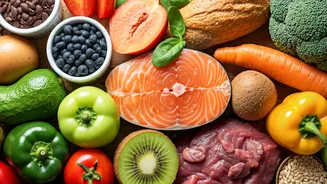
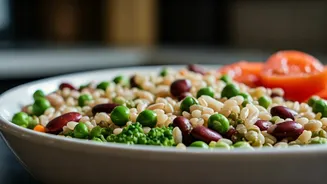
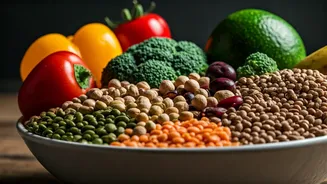
When it comes to meal composition, focus on what you can add to make your meals more filling. Incorporate sources of protein (like chicken, fish, lentils, or Greek yogurt) and fibre (fruits, vegetables, whole grains) into every meal. [15, 20] These nutrients are digested more slowly, which helps to stabilise blood sugar levels and promotes a longer-lasting feeling of satiety. [15] Even when you're short on time, bulking up a quick meal with a side salad or a handful of nuts can make a significant difference. [7, 23]