







The Original Summer Hero
For generations, lassi has been the subcontinent's answer to scorching heat. [5] Originating from Punjab, this humble blend of yogurt and water is more than a beverage; it’s a cultural touchstone. [5, 16] Its history is ancient, with mentions in Ayurvedic
texts for its cooling and digestive properties. [3, 5] Unlike the fleeting popularity of carbonated drinks and packaged juices, which are often laden with sugar and artificial ingredients, lassi offers a timeless appeal rooted in natural goodness. [22, 24] It represents a return to drinks our grandmothers swore by—wholesome, satisfying, and deeply connected to our culinary heritage. [9, 21]
A Gut-Friendly Powerhouse
The true magic of lassi lies in its health benefits, starting with its probiotic power. [14, 23] Made from yogurt, lassi is rich in beneficial bacteria (probiotics) that promote a healthy gut microbiome, which is crucial for good digestion and nutrient absorption. [7, 8, 17] Regular consumption can help alleviate common digestive issues like bloating and indigestion, making it the perfect soothing accompaniment to a spicy meal. [7, 24] Furthermore, it’s a fantastic source of calcium for strong bones and teeth, and the high protein content helps you feel full for longer, aiding in weight management. [8, 14, 23] By choosing lassi, you’re not just quenching thirst; you're nourishing your body from the inside out.
More Than Just a Drink
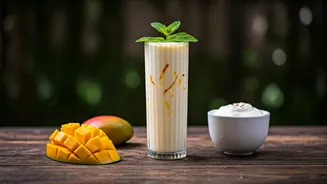
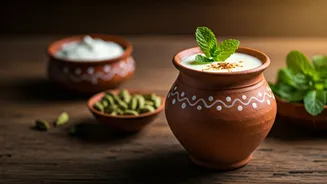
Lassi's significance extends far beyond its nutritional profile. It is a symbol of hospitality, often served to guests as a sign of a warm welcome. [4] The drink is woven into the fabric of celebrations and religious rituals, considered an auspicious offering during festivals like Holi and Janmashtami. [3, 4, 11] Its presence in folklore and tradition reflects a deep-rooted connection to Indian culture. [3] The versatility of lassi is another part of its charm. From the simple, salty lassi (namkeen lassi) often spiced with roasted cumin, to the sweet lassi (meethi lassi) sometimes fragrant with cardamom or rose water, there is a version for every palate. [4, 6, 18]
The Modern Revival
The claim that “Lassi Is Back” is supported by a broader shift in consumer habits. There is a growing movement away from processed drinks towards natural, traditional alternatives. [9, 21] Health-conscious consumers are rediscovering indigenous beverages that offer functional benefits without compromising on taste. [12] This trend has seen traditional drinks like sattu, aam panna, and of course, lassi, move from home kitchens to trendy cafes and even supermarket shelves in modern, convenient packaging. [9, 12, 13] This revival is not just about nostalgia; it’s a conscious choice for a healthier lifestyle and a way for a new generation to connect with their cultural identity. [9, 12]