





The Rise of the 'Coolcation'
The idea of a perfect summer getaway is undergoing a significant shift. For generations, travellers chased the sun, flocking to the Mediterranean and other sun-drenched locales. Now, an increasing number are fleeing from it. The trend, dubbed a "coolcation,"
involves deliberately choosing destinations with milder, more comfortable summer climates. [2, 17] This isn't just a niche preference; it's a growing movement. Travel industry data reveals a sharp rise in searches for cooler destinations, with some reports showing year-on-year increases of over 70%. [7, 8] The driving force is clear: record-breaking heatwaves across Southern Europe and other traditional hotspots have made peak-season travel there less appealing and, at times, hazardous. [3, 19] Tourists are tired of spending their holidays confined to air-conditioned rooms or having plans disrupted by extreme weather warnings. [5]
From Southern Shores to Northern Fjords
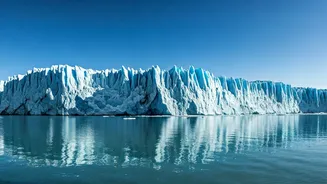
While destinations like Italy, Spain, and Greece remain popular overall, a noticeable pattern is emerging. [23] Travellers aren't abandoning them entirely but are increasingly visiting during the cooler shoulder seasons of spring and autumn. [5] For the peak summer months of July and August, however, many are looking north. Countries in Scandinavia and the Nordics—such as Norway, Iceland, Sweden, and Finland—are experiencing a surge in interest. [3, 12] Iceland, with its average summer temperature of around 11°C, has seen flight searches jump by as much as 85% compared to the previous year. [1, 3] Other European destinations gaining favour include Slovenia, Scotland, Wales, and the Baltic states. [2, 7] The appeal lies in trading sweltering 40°C+ temperatures for the promise of fresh mountain air, scenic fjord cruises, and the ability to comfortably hike and explore outdoors. [3, 11]
More Than Just Temperature
The shift towards coolcationing is driven by more than just a desire for physical comfort. Health concerns are a major factor, as extreme heat poses risks of dehydration and heatstroke, especially for families and older travellers. [3, 19] Furthermore, many tourists are growing weary of the overtourism that plagues popular southern resorts in the summer. A survey by the European Travel Commission found that a majority of Europeans planned to seek out less crowded, off-the-beaten-path destinations. [2] The coolcation trend aligns perfectly with this, as many northern regions offer vast, open landscapes and a quieter, nature-focused experience. [10, 17] There is also a growing awareness of sustainable travel, with some travellers seeing the choice of a cooler, less-strained destination as a more responsible one.
The New Hotspots and Their Challenges
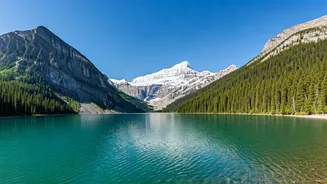
This exodus from the heat is creating new tourism hubs. Beyond Europe, destinations in Asia like Japan's Sapporo and China's Yunnan province are also seeing a rise in popularity for their pleasant summer climates. [1, 6] In North America, places like Alaska and Canada's Banff National Park are drawing crowds seeking glacial lakes and cooler mountain air. [13, 16] However, this rapid shift is not without its challenges. Some smaller towns in Norway and other burgeoning coolcation spots are not equipped to handle a sudden influx of thousands of visitors from large cruise ships, raising concerns about straining local infrastructure and the risk of simply moving the problem of overtourism from the south to the north. [3, 27] As demand rises, so do prices for flights and accommodation, meaning these once-quieter getaways may not remain bargains for long.