







The Allure of Conspicuous Consumption
The term 'conspicuous consumption' was coined over a century ago to describe spending meant to publicly display economic power. Today, this behaviour is supercharged by a culture of online influencers and constant comparison. We buy expensive items not
just for their function, but to signal our status and success. This desire for external validation can provide a temporary boost to our self-esteem, but it's a fragile foundation for self-worth. The problem is that most luxury goods—designer clothes, high-end cars, the latest gadgets—are depreciating liabilities. They lose value the moment you acquire them. While they create a vibrant illusion of wealth, they actively drain your financial resources rather than building them.
The Real Definition of an Asset
So, if a luxury car isn't a true asset, what is? The answer is simple: an asset is something that puts money in your pocket or has a high probability of appreciating in value. This includes investments like stocks and bonds, which can pay dividends and grow over time; rental properties that generate monthly income; or ownership in a business. Unlike a luxury item that you spend money on, an asset is something you invest in that works for you. The authors of the classic book 'The Millionaire Next Door' found that most self-made millionaires prioritize financial independence over displaying high social status. They focus their energy on acquiring income-producing assets, often living well below their means to do so.
The Quiet Power of Compounding
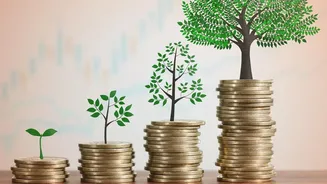
The engine of genuine wealth creation is compounding. This is the process where the returns your assets generate earn their own returns. It's a slow, almost invisible force at first, but over decades, it can turn modest, consistent investments into substantial fortunes. Every rupee spent on a depreciating luxury item is a rupee that isn't being invested and compounded. Starting to invest early, even with small amounts, gives your money more time to grow. For example, thanks to compounding, someone who invests consistently for 10 years starting at age 25 can end up with more than someone who invests the same annual amount for 30 years starting at age 35. This mathematical reality is the quiet secret of the wealthy.
A Shift from Appearance to Freedom
Choosing to build assets over acquiring status symbols requires a fundamental mindset shift. It's about trading the short-term thrill of external validation for the long-term security of financial independence. Financial independence is the state where your assets generate enough passive income to cover your living expenses without you needing to actively work. This doesn't necessarily mean being 'rich' in the conventional sense; it means having options, stability, and control over your time. True wealth isn't a number in a bank account; it’s the freedom to make life choices based on your values and passions, not just financial necessity. This internal sense of security is far more durable than the fleeting admiration gained from a fancy purchase.
How to Redefine Your 'Rich'
The journey begins by redefining what 'rich' means to you. Is it a high salary that's immediately spent on a high-cost lifestyle, or is it a growing portfolio of assets that will support you for years to come? The wealthy often use the income from their assets to buy their luxuries, rather than trading their time and labour directly for them. This is a crucial distinction. They let their money work to fund their lifestyle, ensuring the underlying asset base remains intact or continues to grow. Instead of asking 'What can I buy to look wealthy?', the more powerful question is 'What assets can I acquire to become truly wealthy?'. The focus shifts from spending to accumulating, from looking the part to living it.