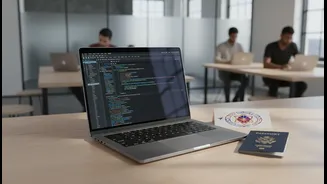









Beyond the Tourist Visa
For years, the digital nomad life involved a precarious dance of visa runs and working from the shadows on tourist permits. This approach created constant instability, making it difficult to sign long-term leases, open local bank accounts, or feel truly
settled. But the global shift to remote work has prompted dozens of countries to roll out official digital nomad visas. Unlike tourist visas, which prohibit work, these permits are specifically designed for professionals who earn an income from employers or clients outside their host country. More than 50 nations now offer some form of remote work visa, acknowledging the economic benefits of attracting high-earning professionals who spend their money locally without taking local jobs.
The Key ‘Upgrades’ Fueling Stability
What makes today’s visas an upgrade is their focus on stability and legitimacy. Early programs were often short-term, lasting a year with no option to renew. Now, leading destinations are offering multi-year stays and clearer pathways to long-term residency. For example, Spain's popular digital nomad visa is valid for one year but can be extended for up to five, after which a holder can apply for permanent residency. Portugal offers similar pathways, allowing nomads to apply for a two-year residence permit that can be renewed, leading to potential permanent residency after five years. These extended timelines are crucial for tech workers on long projects or those with families, transforming a nomadic stint into a viable lifestyle choice.
Spotlight on Coastal Hubs
The allure of an ocean view remains a powerful draw, and several coastal nations have created highly attractive programs. In Europe, Portugal and Spain dominate rankings with their blend of vibrant coastal cities like Lisbon and Barcelona, strong infrastructure, and access to the EU's Schengen Area. Spain's visa requires a minimum monthly income of around €2,200-€2,700, while Portugal's is higher at about €3,280. In Latin America, Costa Rica has emerged as a top contender, offering a visa for up to two years with a complete exemption from income tax on foreign earnings. Its world-class beaches and commitment to sustainability appeal to nature-loving tech workers. In Asia, Thailand's Long-Term Resident (LTR) Visa allows a stay of up to 10 years, and coastal hubs like Phuket are well-equipped with coworking spaces and reliable internet.
Enabling Uninterrupted Workflows
The greatest benefit of these upgraded visas is the ability to maintain continuous, uninterrupted work. The legal status they confer eliminates the anxiety and disruption of visa runs—the practice of leaving a country and re-entering to reset a tourist visa. With a proper residence permit, tech professionals can confidently engage in their workflows, attend virtual meetings across time zones, and collaborate on sensitive projects without fear of legal repercussions. Access to local services is another key factor. Many of these visas allow holders to open local bank accounts, which simplifies finances, and secure long-term housing with proper rental agreements. This foundation of legitimacy allows nomads to focus entirely on their work, rather than on their immigration status.
A Smarter Approach to Taxes
One of the most significant upgrades involves tax clarity. While many digital nomad visas don't automatically grant tax-free status, several countries have introduced favorable tax regimes to attract talent. Spain, for instance, offers nomads a reduced flat tax rate under certain conditions, which is a significant saving compared to standard rates. Costa Rica and Croatia are notable for exempting nomads from local income tax on their foreign-sourced income. This predictability is a game-changer. It allows tech workers and their employers to plan finances without the ambiguity of navigating complex international tax treaties. However, it's crucial to understand that these benefits vary widely, and staying in a country for more than 183 days typically makes you a tax resident, so professional advice is essential.