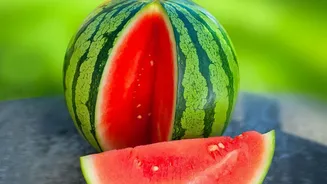




Each summer, tonnes of watermelon rind end up in the bin, but what if that white and green part is a delicious, versatile vegetable in disguise? It's time to rethink food waste and discover the crisp, flavourful potential you've been missing.
More Than Just Compost
For most
of us, the watermelon experience ends with the sweet, juicy red flesh. The thick rind is typically seen as nothing more than a bulky addition to the compost heap or rubbish bin. But in kitchens around the world, from the American South to India, the rind has long been treasured as a valuable ingredient. This isn't a new-age food trend; it's a long-standing practice rooted in practicality and zero-waste cooking. By viewing the rind as a vegetable, you unlock a whole new dimension of the fruit, stretching your grocery budget and significantly cutting down on food waste in one simple, delicious step. In 2026, the USDA even added an official nutrition profile for raw watermelon rind, cementing its status as a legitimate and underutilised food source.
What Does Watermelon Rind Taste Like?
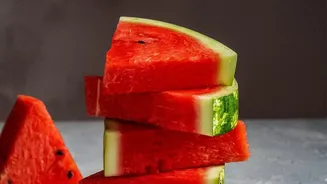
If you're imagining a tough, bitter bite, you'll be pleasantly surprised. When eaten raw, the white part of the rind has a crisp, firm texture and a mild flavour often compared to a cucumber or jicama. It’s refreshing and crunchy, making it an excellent addition to salads and slaws. When cooked, its true magic is revealed. The rind acts like a sponge, readily absorbing the flavours of whatever it's cooked with, whether it's a tangy pickling brine, a savoury curry sauce, or a sweet sugar syrup. The texture softens, becoming tender and succulent, similar to a summer squash or zucchini. The hard, dark green outer skin is also edible, but it can be tough and is usually peeled off before cooking for a better texture.
A Surprising Nutritional Punch
Beyond its culinary uses, watermelon rind offers some noteworthy nutritional benefits. It’s low in calories but provides dietary fibre, which aids digestion. The rind is also a source of vitamins C and B6, as well as minerals like potassium. One of its most significant compounds is the amino acid citrulline, which is found in higher concentrations in the rind than in the red flesh. Citrulline is known to help improve blood flow and circulation. While it won't replace a balanced diet, incorporating the rind is a smart way to extract extra nutrients from the fruit.
Get Started: Classic Pickled Rind
The most traditional way to prepare watermelon rind, especially in the American South, is by pickling it. The process is similar to making cucumber pickles. The rind is typically peeled, cut into cubes, and boiled until tender before being submerged in a brine of vinegar, sugar, and spices like cinnamon, cloves, and allspice. The result is a tangy, sweet, and crunchy condiment that pairs wonderfully with cheeses, sandwiches, and roasted meats. There are countless variations, from quick refrigerator pickles to shelf-stable canned versions, allowing you to tailor the flavour to your liking.
Beyond Pickling: Savoury Delights
Thinking of the rind as a vegetable opens up a world of savoury possibilities. In Indian cuisine, watermelon rind is used to make flavourful curries and sabzis (vegetable stir-fries). It can be cubed and added to stir-fries alongside other vegetables, where its firm texture holds up well to heat. It also shines in coconut-based curries, absorbing the rich, aromatic spices beautifully. You can roast it with herbs and parmesan for a unique side dish, add it to stews, or even blend it into a refreshing cold gazpacho soup.
For the Sweet Tooth: Candied Rind
If you have a sweet tooth, candied watermelon rind is a delightful, old-fashioned treat. The process involves simmering the prepared rind in a thick sugar syrup until it becomes translucent and tender. After simmering, the pieces are typically dried until they have a chewy, gummy candy-like consistency. These sweet gems can be enjoyed on their own, used to decorate cakes and desserts, or even dipped in chocolate. It's a fantastic way to transform a would-be-scrapped ingredient into a sophisticated confection.