



The Great Monsoon Retreat of 2026
The southwest monsoon, which provides the bulk of India's annual rainfall, officially ended the 2026 season with a 13% deficit. The withdrawal process began from West Rajasthan around September 19, a couple of days later than usual. However, forecasts
suggest a potentially faster retreat from early October onwards, with states like Maharashtra, Madhya Pradesh, Uttar Pradesh, and Bihar likely to see an earlier-than-usual withdrawal. The entire process is expected to be completed by October 12. This means most of the country, particularly the northern and central regions, can look forward to dry, clear, and sunny days, making it an ideal time for tourism. However, general rainfall in October across the country is predicted to be below normal.
North India: Clear Skies and Mountain Calls
With the monsoon's departure, North India becomes a premier travel destination. States like Himachal Pradesh and Uttarakhand, where heavy rains can cause travel disruptions, will see more stable conditions. The post-monsoon air is crisp, offering clear views of the Himalayas. This is a perfect time for trekking, sightseeing in destinations like Shimla and Manali, or visiting Rajasthan, where the countryside is still lush and green from the rains. Popular tourist spots like Jaipur, Jodhpur, and Udaipur are comfortable for exploring forts and palaces. Furthermore, several national parks that were closed for the monsoon, including Jim Corbett in Uttarakhand and Sariska in Rajasthan, begin to reopen their gates around mid-October, offering excellent wildlife sighting opportunities.
South India: A Tale of Two Monsoons
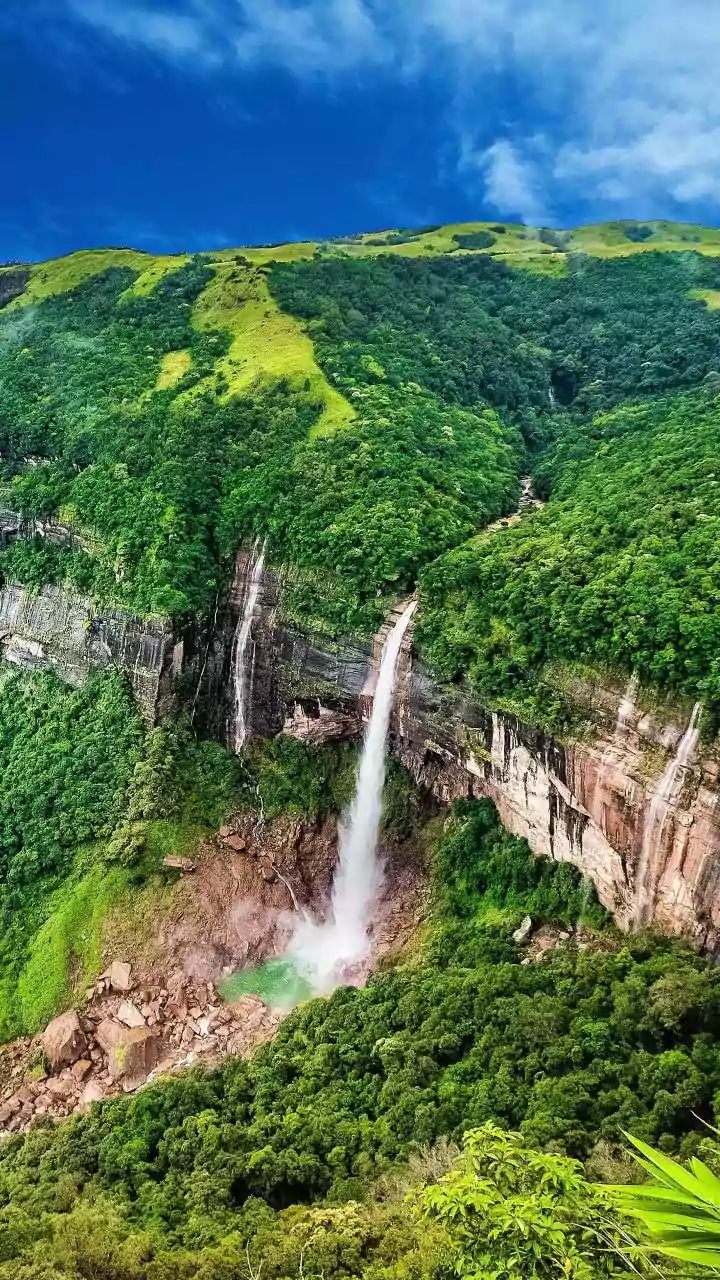
The weather story in the south is more complex. While the southwest monsoon recedes, the stage is set for the northeast monsoon, which primarily affects Tamil Nadu, Puducherry, coastal Andhra Pradesh, and parts of Kerala. The IMD has forecast that the northeast monsoon is likely to set in between October 15 and 21. While overall rainfall for the season (October-December) is expected to be normal for the southern peninsula, it will be uneven. Some parts of Tamil Nadu might see above-normal rain in October, while others could be drier. For travellers, this means destinations in Kerala like Munnar and Wayanad, or Coorg in Karnataka, will be breathtakingly green and beautiful, though occasional showers are possible. It's a great time for hill stations, but less so for beach-centric plans on the southeastern coast.
West & Central India: Dry and Ready for Exploration
Central and Western India enter a pleasant, dry phase in October. The infamous 'October Heat', a period of high humidity and heat, can be a factor in some coastal areas, but generally, the weather becomes very agreeable. This is an excellent month to explore the rich heritage of Madhya Pradesh or the reopening wildlife sanctuaries. Tadoba-Andhari Tiger Reserve in Maharashtra, known for its high tiger density, reopens its core zones on October 1. In Gujarat, the weather becomes more manageable for exploring cities like Ahmedabad, just in time for vibrant Navratri celebrations.
Actionable Tips for October Travel
October is a fantastic travel month, but planning is key. Always check the district-level weather forecast from a reliable source like the IMD before you travel, not just a general state-wide prediction. While most of the country is dry, southern and eastern coastal areas can experience rain, so pack accordingly with quick-dry clothing and a rain jacket. October marks the beginning of the peak tourist season, so booking flights and hotels in advance is wise, especially for popular destinations. Be prepared for mosquitoes in areas with lingering moisture; carrying repellent is a good idea. If you're planning a trip to the mountains or wildlife parks, be flexible with your itinerary as conditions can change.