





The Rise of the ‘Nothing-cation’
The very idea of a holiday is undergoing a quiet revolution. For generations, the mark of a 'successful' trip was how much you could cram into it. A whirlwind tour of Europe in seven days, a weekend in Goa with ten places to visit—the busier, the better.
But that model is starting to feel dated, exhausting, and frankly, a bit joyless. Enter the 'nothing-cation,' a term popularised by travel giant Expedia in its 2024 trends report. It’s exactly what it sounds like: a trip with no agenda, no must-see lists, and no pressure. The report found that a surprising number of travellers are actively seeking trips where their main activity is… nothing. This isn't about being lazy; it's a deliberate choice to prioritise rest and spontaneity over a frantic, pre-planned schedule.
From FOMO to JOMO
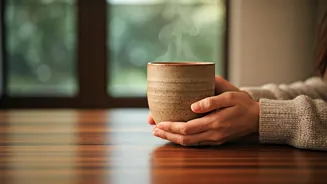
What’s driving this shift? In a word: burnout. Our daily lives are hyper-optimised and relentlessly scheduled. We are constantly connected, constantly performing. The old model of travel simply mirrored this, turning leisure into another project to be managed. Travellers are now pushing back, trading the 'Fear Of Missing Out' (FOMO) for the 'Joy Of Missing Out' (JOMO). The pressure to capture the perfect Instagram shot at every tourist hotspot is being replaced by a desire for genuine, unscripted moments. It’s the realisation that the best memories often aren’t from the planned photo-op, but from the unplanned afternoon spent reading in a cafe, the long walk with no destination, or the spontaneous conversation with a local.
An Indian Perspective
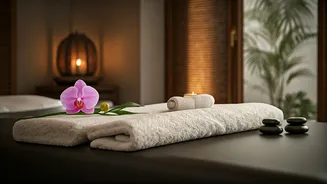
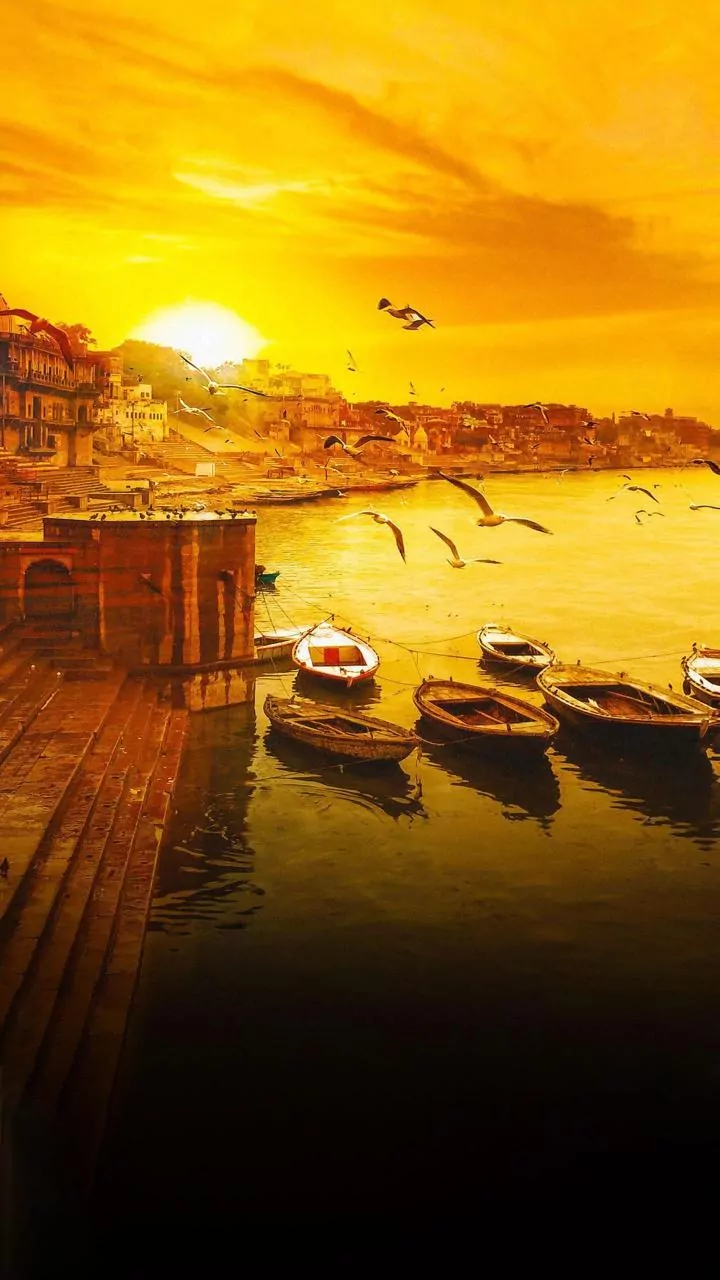
This trend resonates powerfully in the Indian context. Many of us have grown up with family vacations that operate with military precision: the 6 AM wake-up call for a temple visit, followed by three specific tourist points, a designated lunch spot, and an evening shopping spree, all before collapsing into bed. While born from a desire to make the most of precious time off, this approach often leaves little room for relaxation. Today, a new generation of Indian travellers—and even their parents—is starting to question this. Millennial and Gen Z travellers, often juggling high-stress jobs, are using their holidays to disconnect and recharge. They are seeking out boutique homestays, wellness retreats, and destinations that promise peace over a packed itinerary. The goal is no longer to 'see' everything, but to 'feel' something—a sense of calm, connection, or simple, unadulterated joy.
Embracing a Slower Pace
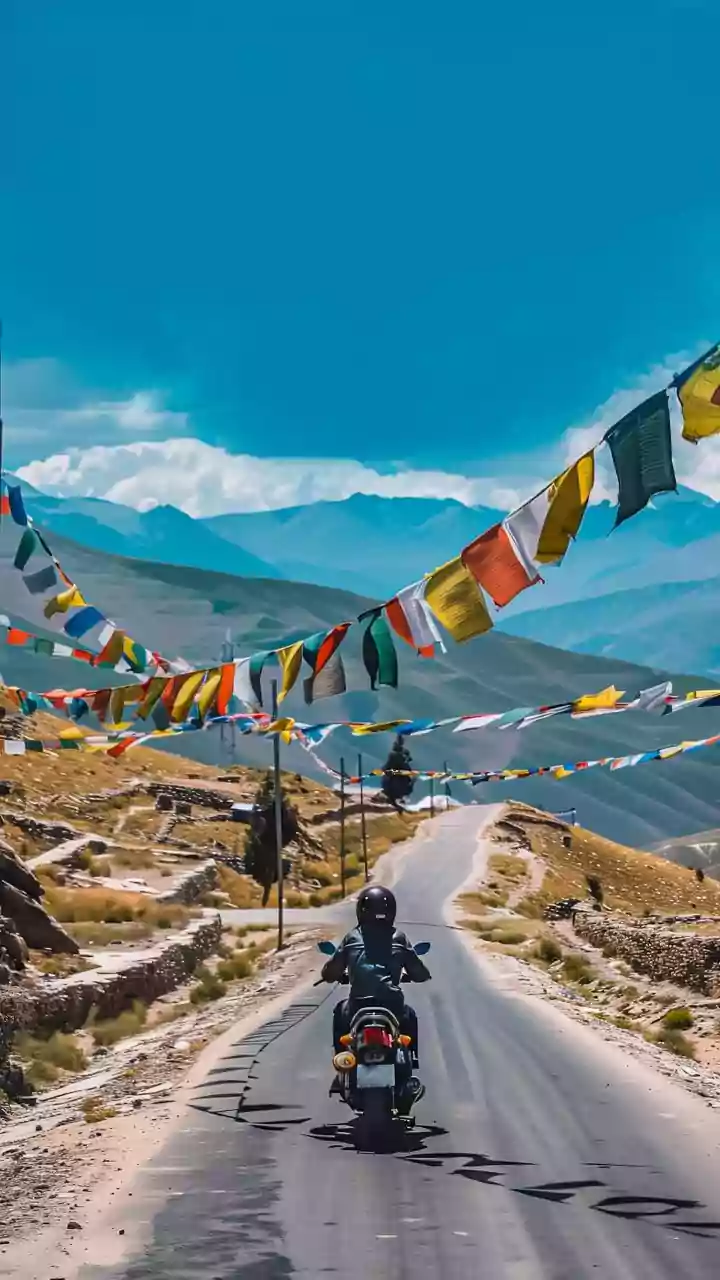
Adopting this mindset doesn't mean you have to sit in a hotel room for a week. Slow travel isn't about doing nothing, but about doing less, more meaningfully. It's about choosing one or two key experiences and leaving the rest of the time open. Instead of ticking off five museums in a day, spend an entire afternoon in one. Instead of rushing between cities, choose one base and explore its surrounding area at a leisurely pace. The idea is to allow for serendipity. When your schedule isn't packed, you have the freedom to follow a charming side street, linger over a delicious meal, or simply sit on a bench and watch the world go by. This approach fosters a deeper connection with a place, moving you from a mere tourist to a temporary resident.