


Beyond Temperature: Why Humidity Matters
For years, the conversation around pet heat safety has focused on temperature. But in humid climates like those across much of India, especially during monsoon season, humidity is the more dangerous factor. Unlike humans, dogs and cats can't sweat effectively
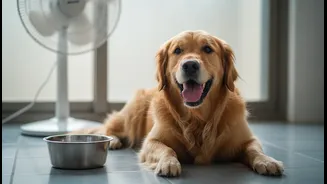
to cool down. Dogs rely on panting, which works by evaporating moisture from their respiratory tract. When the air is already saturated with moisture, this process becomes incredibly inefficient. Your pet can struggle to lower its body temperature even on a day that doesn't feel excessively hot to you, making indoor spaces potential danger zones. This is particularly true for brachycephalic (flat-faced) breeds like Pugs and Bulldogs, as well as older or overweight pets, who are already less efficient at cooling themselves.
Spotting the Silent Signs of Overheating
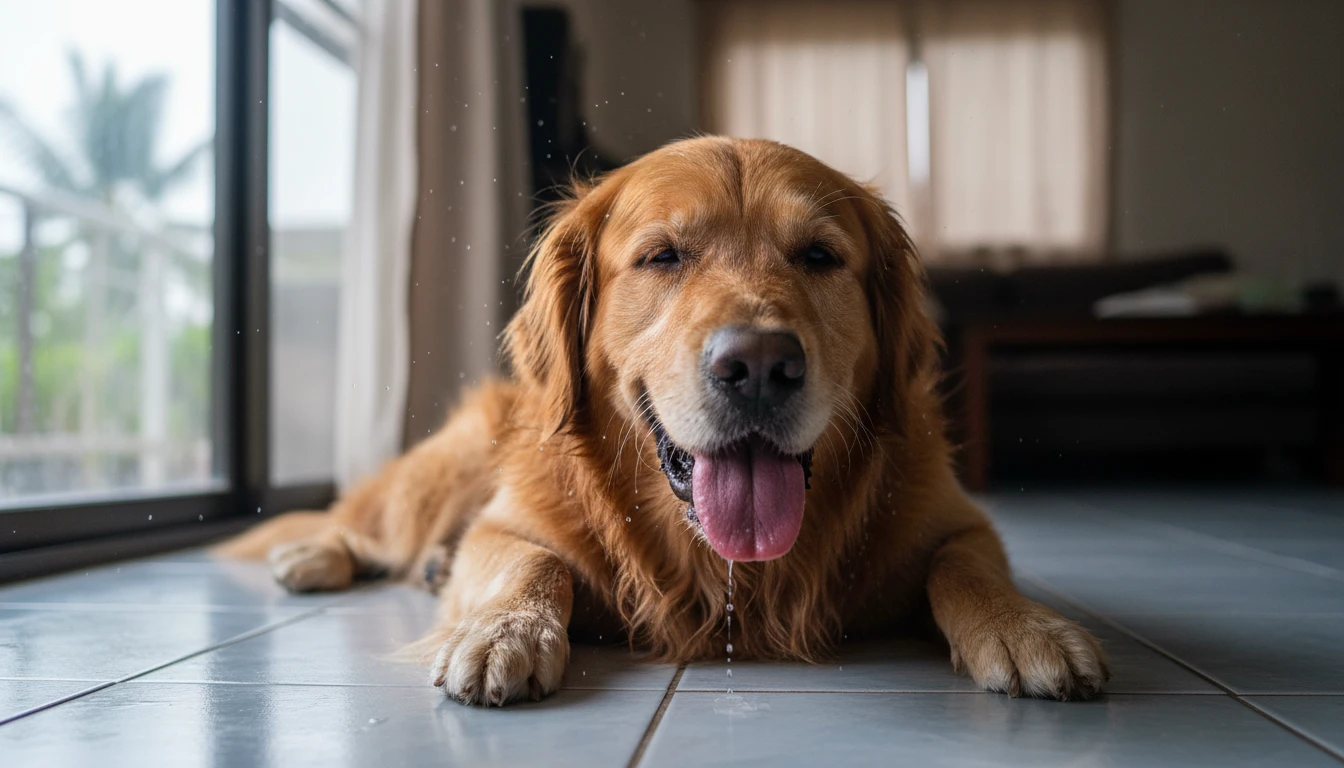
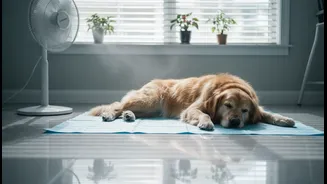
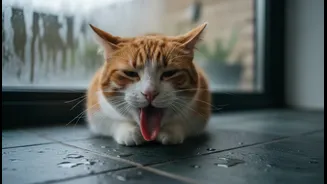
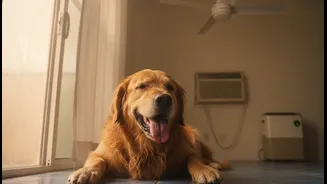
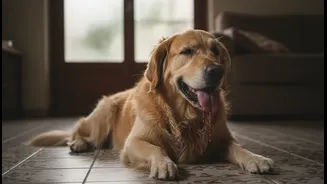
Heatstroke doesn't always look dramatic. The initial signs can be subtle and are crucial to recognize before they become a full-blown emergency. Early warning signs include excessive panting that doesn't resolve with rest, heavy drooling, and restlessness. You might notice your pet seeking out cool surfaces like tile floors or seeming lethargic and unwilling to play. Cats are especially subtle; for them, open-mouth panting is a serious red flag. As the condition worsens, symptoms can escalate to vomiting, diarrhea, lack of coordination, bright red or pale gums, and eventual collapse or seizures. Recognizing these early signs indoors, even when the AC is on, is the first step in preventing a tragedy.
Shifting the Plan: From Reactive to Proactive Homes
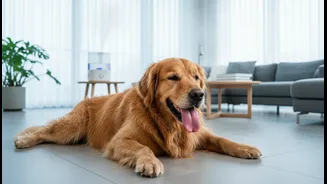
The growing awareness of humidity's danger is changing the planning conversation from simply providing water to actively engineering a safer home environment. This is no longer just about a bowl of fresh water and a fan. The new approach involves proactively managing your home's indoor climate. A key tool in this is the dehumidifier, which removes excess moisture from the air, allowing your pet's natural cooling mechanism to work more effectively. This is especially critical in homes without constant air conditioning. The planning also extends to home design choices: ensuring good ventilation, using curtains to block direct sun which can create a greenhouse effect, and providing cool resting spots like gel-filled cooling mats or raised beds that allow for air circulation.
A Modern Pet Parent's Action Plan
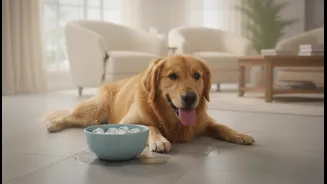
Adapting to this new understanding requires a modern action plan. First, invest in a home hygrometer to monitor indoor humidity levels. Second, establish cooling zones in your home with access to dehumidifiers, cooling mats, and fresh water. During periods of high heat and humidity, limit strenuous play, even indoors. Shift walks to the coolest parts of the day, like early morning and late evening. The "7-second rule" is a good guide: if the pavement is too hot for the back of your hand for seven seconds, it's too hot for your pet's paws. Hydration is also key. For dogs on dry kibble diets, which are low in moisture, consider adding moisture-rich wet food or ensuring constant access to multiple fresh water sources.
A Broader Conversation on Climate and Care
This shift in understanding indoor pet safety is part of a larger conversation about climate-aware pet ownership. As climate change leads to more frequent and intense heatwaves and higher humidity, our responsibilities as pet owners evolve. Nearly 70% of pet owners express concern about climate change and want to make a positive impact. This includes making informed choices about everything from the sustainability of their pet's food to ensuring their home is a resilient and safe haven against extreme weather. This proactive, informed approach to pet care—recognizing threats like indoor humidity and adapting our homes and routines—is becoming the new standard for responsible pet ownership in a changing world.