

Jungfraujoch – Top of Europe
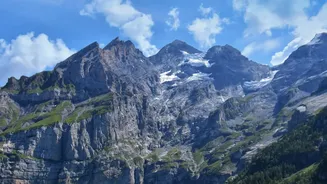
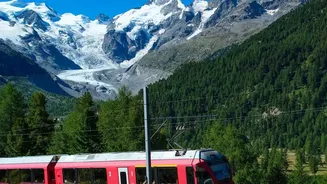
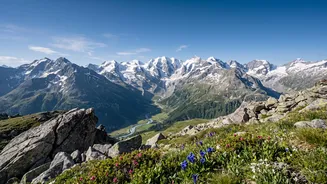
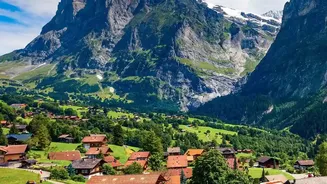
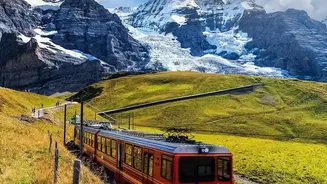
The journey to Jungfraujoch, Europe's highest railway station, is an engineering marvel that offers staggering views of the Aletsch Glacier. But this bucket-list experience comes with significant trade-offs. The primary issue is the cost; a round-trip
ticket can be one of the single most expensive excursions on a Swiss holiday, with prices often exceeding CHF 200 per person without a discount. The second is the crowds. As a major highlight for tour groups, the trains and viewing platforms can become extremely congested, particularly during the peak summer months of July and August. To make the most of it, consider purchasing tickets well in advance and taking the very first train of the morning to beat the midday rush.
Zermatt – The Matterhorn's Domain
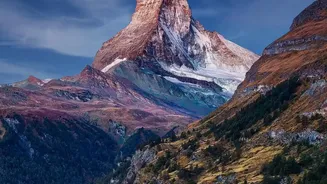
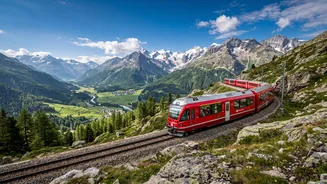
The car-free village of Zermatt offers an unparalleled proximity to the iconic Matterhorn, a peak so famous it defines the town. This allure, however, makes it one of Switzerland's most premium and crowded destinations. Accommodation and dining are priced at a premium, sitting at the top end of what is already one of Europe's most expensive countries. Peak seasons, both for summer hiking (July-August) and winter skiing (Christmas through February), see the village and its mountain transport systems packed. While the views are undeniably worth it for many, visitors on a tighter budget should consider the shoulder seasons of spring and autumn for a quieter experience or look into staying in the nearby, more affordable village of Täsch.
Lucerne – The Picturesque Lake City
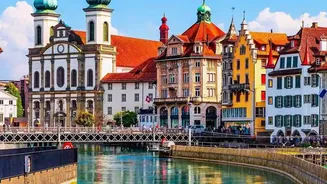
With its medieval Chapel Bridge, beautifully preserved Old Town, and stunning lake setting against a mountain backdrop, Lucerne is the quintessential Swiss city for many travelers. Its popularity and accessibility mean that it is frequently overwhelmed with tourists, especially when large tour buses arrive. The areas around the Chapel Bridge and Schwanenplatz can feel congested, particularly from June to August. While the city is beautiful, the constant flow of people can detract from its charm. To find a more peaceful experience, consider staying slightly outside the main tourist center, exploring the city walls, or taking a stroll along the lake away from the Old Town. Visiting during the spring or autumn offers a better balance of pleasant weather and fewer people.
Interlaken – Adventure's Crossroads
Interlaken's name, meaning 'between two lakes' (Thun and Brienz), perfectly describes its strategic location. It serves as the primary gateway to the entire Jungfrau region, making it a bustling hub for adventure sports and mountain excursions. However, many travelers find that the town itself can feel more like a functional tourist depot than a charming alpine village. The main streets are lined with souvenir shops and restaurants catering to international tourists, and the town can feel overrun, especially in summer. Its real value lies in its convenience as a base. For a more authentic feel, some visitors choose to stay in quieter, nearby villages like Ringgenberg or explore the less-traveled paths along the lakeshores.
Geneva – The International Hub
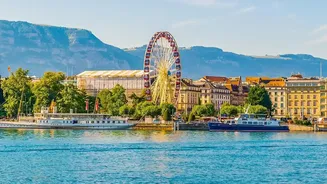
As a global center for diplomacy and finance, home to the UN and Red Cross headquarters, Geneva maintains a high-priced, bustling atmosphere year-round. The presence of international organizations and frequent conferences keeps hotel prices consistently steep. While attractions like the Jet d'Eau and the Old Town are major draws, the city's focus on luxury retail and business can make it feel less like a quaint holiday destination and more like an expensive metropolis. A week's vacation for two can easily run into thousands of francs. Visitors can manage costs by taking advantage of the free public transport card provided by hotels, enjoying picnics by the lake, and exploring the many free-entry museums.