

The Simple Science of Cooking Protein
At its core, cooking is chemistry. When you apply heat to a protein-rich ingredient—be it chicken, fish, paneer, or dal—you are changing its structure on a molecular level. This process is called denaturation. Heat causes the tightly coiled protein chains
to unravel and then reconnect, or coagulate. Think of a raw egg white turning firm and opaque as it fries; that's coagulation in action. How you control this process determines whether your food becomes tender and juicy or tough and dry. Too much heat applied too quickly can squeeze the moisture out of proteins, making them rubbery. Gentle, controlled heat, on the other hand, can result in a succulent and flavourful dish.
Dry Heat: For Flavour and a Golden Crust
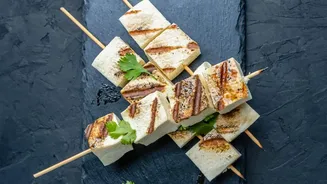
Dry heat methods cook food without moisture, using hot air, fat, or metal to transfer heat at high temperatures. These techniques are responsible for creating the delicious, browned crust we all love. This browning is the result of the Maillard reaction, a chemical process that occurs when proteins and sugars react to heat, creating hundreds of new flavour and aroma compounds. To achieve this, the surface of your protein must be dry. Popular dry-heat methods include roasting, grilling, and searing. Roasting and baking use the dry, circulating air of an oven, ideal for larger cuts of meat like a whole chicken or for dishes like paneer tikka. Grilling provides intense, direct heat for a smoky char, perfect for kebabs. Searing in a hot pan creates a fantastic crust on everything from chicken breasts to paneer cubes before you finish cooking them at a lower temperature.
Moist Heat: The Key to Tenderness
Moist heat methods use liquid, such as water, broth, or steam, to cook food. Because water cannot get hotter than its boiling point (100°C), these methods are gentler and cook at lower temperatures than dry heat. This makes them perfect for tougher cuts of meat that are rich in connective tissue, like mutton for a curry. The slow, gentle cooking breaks down this tissue (collagen) into soft gelatin, resulting in a fork-tender texture that dry heat could never achieve. Poaching and simmering are excellent for delicate proteins like fish or for keeping chicken breasts moist. This method is also fundamental for cooking lentils and beans, allowing them to soften completely without becoming tough. However, be aware that lengthy cooking in liquid can cause some B vitamins to leach out into the cooking liquid.
Tips for Popular Indian Proteins
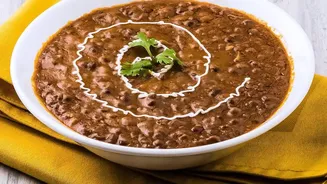
Applying these methods to ingredients common in Indian kitchens can make a world of difference. For paneer, avoid high heat, which makes it rubbery. A light sauté on medium heat is often enough. If adding it to a gravy, do so in the last 5-7 minutes of cooking to let it warm through without overcooking. For chicken, tender cuts like breasts do well with quick, high-heat methods like searing or stir-frying, while tougher cuts like thighs are excellent for slow-cooked curries (a form of braising). To ensure juicy chicken, try not to overcook it and let it rest for a few minutes after cooking; this allows the juices to redistribute throughout the meat. When cooking lentils (dal), adding salt or acidic ingredients like lemon or tomatoes too early in the process can prevent them from softening properly. It's best to add these flavourings after the lentils are tender.