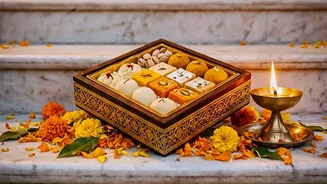


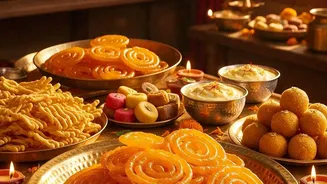

For many Indians, life’s celebrations and daily joys are marked by mithai. But for those managing diabetes, this can feel like a world of restrictions. The good news is that enjoying sweets is not impossible; it just requires a smarter approach.
The Golden Rule: Portion Control
The single
most important strategy for enjoying sweets with diabetes is managing portion size. A smaller serving of a beloved dessert is often more satisfying than a larger portion of a less-tasty 'sugar-free' alternative. Eating slowly and savouring each bite allows you to appreciate the flavour and texture, making a small treat feel more indulgent. When you do have dessert, having it with or right after a balanced meal can help you eat a smaller amount without feeling deprived. Using smaller plates and bowls can also psychologically guide you toward a more appropriate portion size. The goal is to fit a small, planned treat into your overall carbohydrate count for the day, not to add it on top of your usual meals.
Smart Ingredient Swaps for Indian Kitchens
Modern recipes offer numerous ways to lower the glycaemic impact of traditional sweets without sacrificing taste. Instead of refined white flour (maida), which can cause sharp spikes in blood sugar, consider using flours with more fibre and protein. Flours like besan (chickpea flour), ragi (finger millet flour), and whole wheat flour slow down glucose absorption. For sweetness, whole fruits like mashed bananas, applesauce, or pureed dates can replace a significant portion of sugar while adding valuable fibre and nutrients. It's a common misconception that natural sweeteners like jaggery and honey are 'free' foods for diabetics; they still impact blood sugar and must be used in strict moderation. For a lower calorie and lower carb option, plant-based sweeteners like stevia can be effective, especially in beverages and lighter desserts like kheer.
Reimagining Traditional Favourites
Many classic Indian sweets can be successfully adapted. For a healthier Gajar ka Halwa, you can reduce the ghee, replace sugar with a small amount of date paste or a suitable sugar substitute, and use low-fat milk. Ladoos, a festive staple, can be made with oats, ragi, or almond flour instead of being purely besan-based and loaded with sugar. Even kheer can be reimagined. An oats kheer provides more soluble fibre, which helps with blood glucose management. Another innovative option is using makhana (fox nuts) to create a creamy, satisfying kheer that is lower in carbohydrates than its rice-based counterpart.
Focus on Flavour and Healthy Fats
When you reduce sugar, other flavours need to shine. High-quality aromatic spices like cardamom, saffron, cinnamon, and nutmeg can elevate a dessert, making it feel rich and special even in a small portion. Don't shy away from healthy fats, which can also help slow down the absorption of sugar. Incorporating nuts and seeds like almonds, pistachios, and walnuts not only adds a wonderful texture and flavour but also provides protein and healthy fats, making the dessert more balanced. A Date and Nut Barfi, for instance, relies on the natural sweetness of dates and the richness of nuts, requiring little to no added sugar.