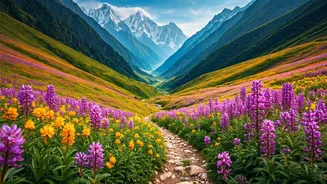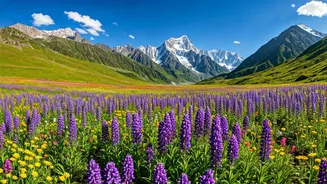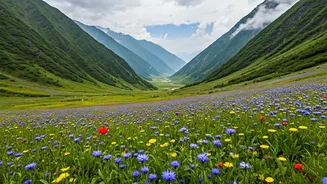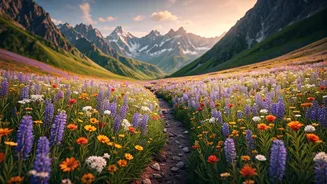




What Exactly Is the Valley of Flowers?
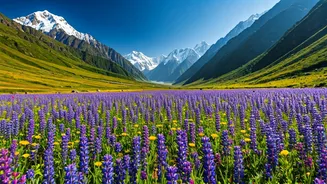
Tucked away high in the Garhwal Himalayas of Uttarakhand, the Valley of Flowers National Park is a UNESCO World Heritage Site renowned for its breathtaking natural beauty. Spanning 87 square kilometres, this high-altitude valley transforms into a carpet
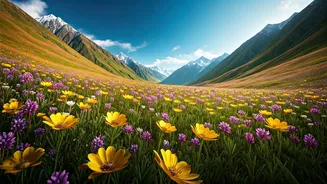
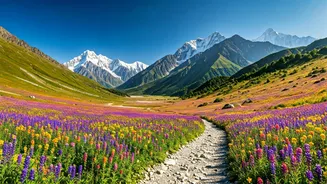
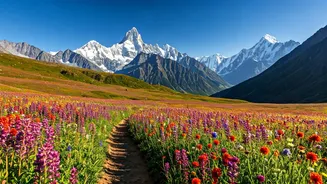
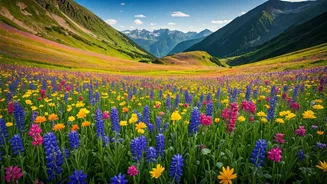
of over 600 species of alpine flowers during the monsoon season. Think orchids, poppies, primulas, and the elusive Brahma Kamal against a backdrop of snow-capped peaks and cascading waterfalls. Discovered by British mountaineer Frank Smythe in 1931, who called it a paradise on Earth, it remains a protected core zone of the Nanda Devi Biosphere Reserve, preserving its fragile and unique ecosystem.
The Perfect Season Is Now
The Valley of Flowers has a very short visitor window, making a trip here an exclusive experience. For 2026, the park officially opened on June 1st and will likely close in early October. While it opens in June, the real magic happens from mid-July to mid-August. This is when the monsoon rains trigger the peak bloom, and the valley is awash with the most diverse and dense floral display. The park has daily entry and exit times, typically from 7:00 AM to 5:00 PM, with the last entry permitted around 2:00 PM. No overnight stays are allowed inside the valley itself, which helps protect its pristine environment.
Your Step-by-Step Travel Plan
Reaching this remote paradise is a journey in itself. The trip starts with reaching Govindghat in the Chamoli district. The nearest airport is Jolly Grant in Dehradun (around 292 km away), and the closest major railway station is in Rishikesh (about 273 km away). From Rishikesh or Dehradun, it's a long, scenic drive of 9-10 hours to Govindghat. From Govindghat, a short vehicle ride takes you to Pulna, the official starting point of the trek. The first leg of the trek is a 10-13 km walk to Ghangaria, a small hamlet that serves as the base camp for both the Valley of Flowers and the sacred Sikh shrine of Hemkund Sahib.
The Trek to Paradise
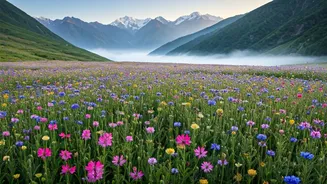
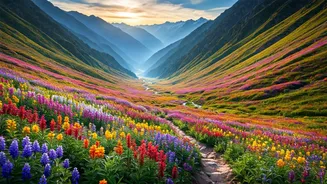
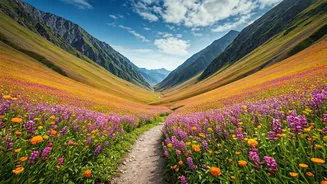
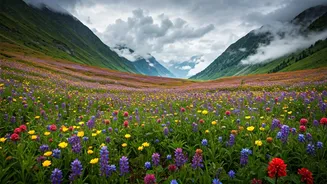
Ghangaria is the last point with accommodation, offering basic guesthouses and hotels. It's crucial to book in advance, especially during the peak season of July and August. From Ghangaria, an early start is recommended for the 4 km trek to the entrance of the Valley of Flowers. The trail is rated easy to moderate, but the high altitude requires acclimatization. The path winds along the Pushpawati River, and after securing an entry permit from the Forest Department checkpoint, you enter the valley. The sight that unfolds is truly spectacular—a vast meadow bursting with flowers as far as the eye can see, with misty clouds playing hide-and-seek with the surrounding peaks.
Beyond the Blooms
While the flowers are the main event, the experience is enriched by its surroundings. Many trekkers combine their trip with a visit to Hemkund Sahib, a revered Gurudwara located at an even higher altitude of over 4,300 meters. This trek is steeper but rewards with spiritual serenity and sightings of rare high-altitude flowers like the Brahma Kamal and the Blue Poppy. You can also spend a day acclimatizing in Joshimath or Auli before starting your trek. Remember that this is a protected area. Plucking flowers is strictly prohibited, and visitors are urged to leave no trace to help conserve this natural marvel for years to come.
Essential Tips for Your Trip
Packing smart is key for this monsoon trek. Waterproof trekking shoes, a good quality poncho or raincoat, and warm layers are non-negotiable, as temperatures can drop significantly, especially at night in Ghangaria. Carry a daypack with water, snacks, and a first-aid kit for your daily excursions into the valley. Network connectivity is non-existent after Govindghat, so inform your family of your itinerary beforehand. Lastly, carry enough cash, as the last reliable ATM is in Joshimath. Respect the local culture and the fragile ecosystem to make your trip both memorable and responsible.