




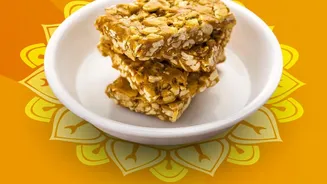
Rethink 'Vrat ka Khana'
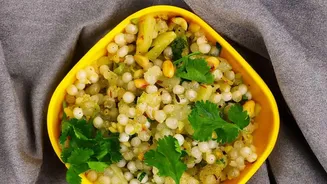
For many, Navratri fasting brings to mind a cycle of heavy, fried foods like kuttu puris and sabudana vadas, often leading to bloating and fatigue rather than the intended cleanse. The reality is that traditional fasting ingredients are incredibly nutritious;
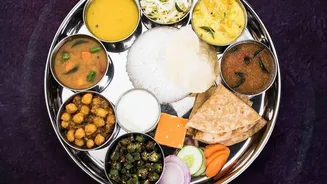
the problem lies in how they are prepared. The goal is to shift your mindset from deprivation to mindful nourishment. Instead of focusing only on what to avoid—like regular grains, onions, and garlic—concentrate on building balanced meals with the permitted ingredients. A well-planned Navratri diet can support detoxification, improve digestion, and even aid in weight management.
The Foundation: Smart Flours and Grains
While wheat and rice are off the menu, Navratri opens the door to a variety of nutrient-dense alternatives. Flours like kuttu (buckwheat), singhara (water chestnut), and rajgira (amaranth) are excellent choices. Kuttu, for instance, is a gluten-free seed rich in protein and fibre, which helps in controlling hunger. Rajgira is also a protein powerhouse. Instead of deep-frying puris, use these flours to make cheelas (pancakes), rotis, or dosas, cooking them with minimal ghee. Samak rice (barnyard millet) is another fantastic substitute for regular rice. It is light, easy to digest, and packed with fibre and protein, making it ideal for a comforting khichdi or pulao.
Power Up with Protein and Healthy Fats
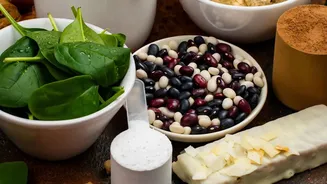
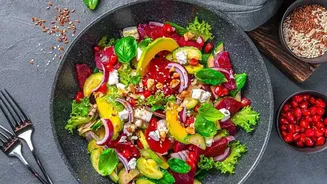
One of the most common mistakes during fasting is neglecting protein, which leads to muscle weakness and constant hunger. Dairy products are your best friends here. Paneer, curd (yoghurt), and milk are permissible and provide high-quality protein and calcium to keep you full and maintain energy levels. You can have a bowl of fruit and nut yoghurt for breakfast, a paneer salad for lunch, or a glass of milk before bed. Nuts and seeds like almonds, walnuts, and peanuts are also crucial. They offer healthy fats and sustained energy. A handful of roasted makhana (fox nuts) makes for a perfect, light snack that is also surprisingly high in protein.
Fruits and Vegetables: Your Energy Source
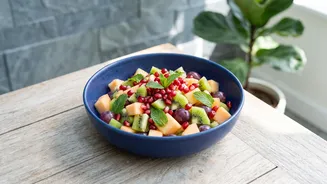
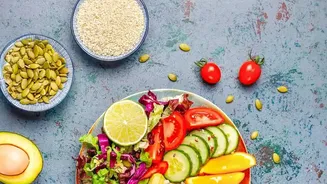
Many fasting diets become overly reliant on potatoes. While potatoes are a good source of carbohydrates, it's vital to include a wide variety of other vegetables. Lauki (bottle gourd), pumpkin, sweet potatoes, and cucumbers are all excellent, fibre-rich options. Sweet potato can be turned into a delicious and tangy chaat, while lauki makes a hydrating and light soup. Fruits are a source of natural sugars, vitamins, and hydration. Instead of consuming them only as a snack, incorporate them into smoothies with yoghurt or as a topping for a bowl of amaranth porridge to create a more complete meal.
Hydration is Key (and It’s Not Just Water)
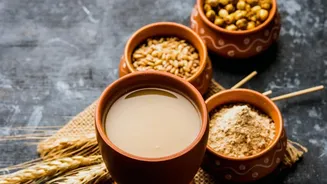
Dehydration is a common cause of fatigue during fasting. While drinking plenty of water is essential, you can also supplement with other hydrating fluids. Coconut water is excellent for replenishing electrolytes. Buttermilk (chaas) is a cooling, digestive aid, and herbal teas can be a comforting way to stay hydrated. It’s best to avoid sugary packaged juices and aerated drinks, which can lead to energy crashes. A simple glass of lemon water with a pinch of sendha namak (rock salt) can also help maintain your body's electrolyte balance.
The Common Traps and How to Avoid Them
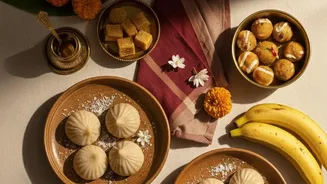
The biggest trap during Navratri is overindulging in fried and sugary foods. Assuming that 'vrat-safe' packaged snacks are healthy is another common pitfall; they are often loaded with unhealthy oils and excess salt. The solution is to choose healthier cooking methods: bake, roast, steam, or grill instead of deep-frying. For example, bake your sabudana tikkis instead of frying them. When it comes to sweets, swap refined sugar for natural sweeteners like jaggery or dates to make kheer or laddoos. Finally, practice portion control and eat smaller, more frequent meals rather than one or two large ones to keep your metabolism steady and energy levels stable.