






The Unseen Foundation of Safety
In the high-stakes world of space exploration, nothing is left to chance if it can be tested first. Uncrewed missions are the ultimate dress rehearsal. They operate on a simple but non-negotiable principle: prove the technology in the exact environment
it will face before risking human lives. These robotic flights are designed to push spacecraft to their limits, testing everything from launch vehicles and heat shields to navigation and life-support systems. They are intentionally difficult, designed to uncover flaws on the ground or in orbit, where failure means losing a vehicle, not a crew. Every piece of data gathered from a successful test, or even a spectacular failure, becomes a crucial lesson that informs the design and safety protocols for the crewed missions that follow. This methodical approach is why agencies like NASA and ISRO, and companies like SpaceX, consider them an indispensable part of every human spaceflight program.
The Starliner Saga: A Lesson in Caution
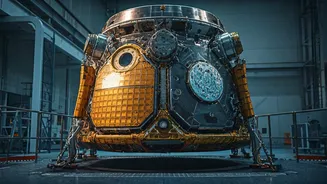
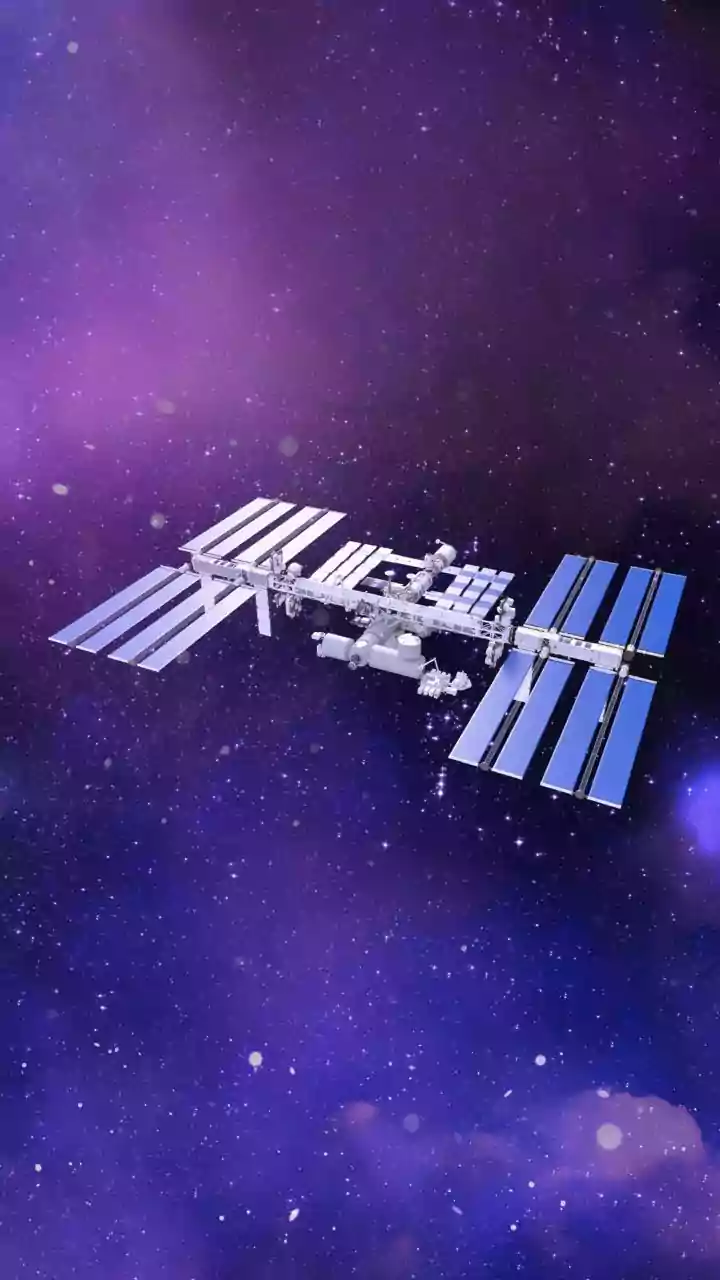
Few missions better illustrate the critical role of testing than Boeing's Starliner. After a problematic first uncrewed flight in 2019, a more successful second uncrewed test was required before NASA would even consider putting astronauts on board. However, the first crewed flight test in 2024 revealed serious issues with propulsion systems. The problems were significant enough that NASA ultimately brought the two-person crew home on a different spacecraft, a SpaceX Crew Dragon, after their planned week-long stay turned into a months-long wait. In the aftermath, NASA reclassified the mission as a "Type A mishap," its most severe category. Consequently, Boeing's next flight, Starliner-1, is now planned as another uncrewed mission, this time to deliver cargo to the International Space Station and validate system upgrades. This turn of events is a stark reminder that even after initial uncrewed tests, the data can dictate a return to more robotic trials to ensure safety.
SpaceX's Explosive Quest for Data
In contrast to the traditional approach, SpaceX has adopted a philosophy of rapid, iterative testing with its Starship program. The massive, next-generation rocket has undergone a series of uncrewed flight tests, many of which have ended in dramatic, fiery explosions. To an outsider, it might look like failure. To SpaceX, it's data collection at an accelerated pace. Each flight, successful or not, provides invaluable information about the vehicle's performance. The twelfth flight test in May 2026, for example, was the first for the updated Starship V3 vehicle. While the Super Heavy booster was lost during its landing attempt, the upper stage gathered critical data during atmospheric re-entry before its own splashdown. This cycle of building, flying, and learning—often from failures—is how SpaceX aims to quickly achieve a fully reusable system, which is key to its long-term economic model and ambitions for Mars and supporting NASA's Artemis program.
India's Methodical Path to Orbit
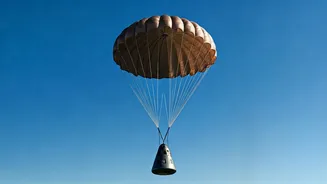
India's Gaganyaan programme is taking a more traditional and calculated approach to putting its astronauts in space. The Indian Space Research Organisation (ISRO) has planned a series of uncrewed missions to thoroughly vet its systems. The first of these, Gaganyaan-1 (G1), is planned for the latter half of 2026 and will carry a humanoid robot named Vyommitra to simulate astronaut conditions and gather data on the crew module's environment. ISRO has emphasized that human spaceflight demands extreme caution, and the schedule will be dictated by safety and readiness, not deadlines. This sequence of robotic test flights is designed to demonstrate the reliability of the launch vehicle, the capsule's aerodynamics, and, crucially, the procedures for safe re-entry and recovery before a crewed mission is attempted in 2027 or later.