



The Unique Challenge of November
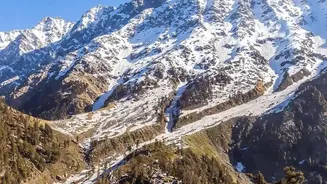
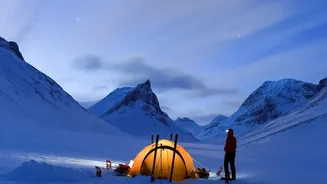
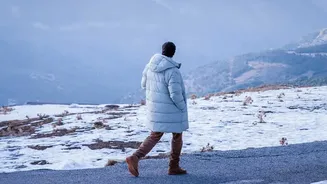
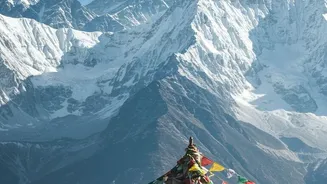
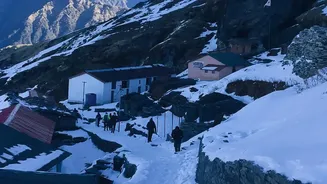
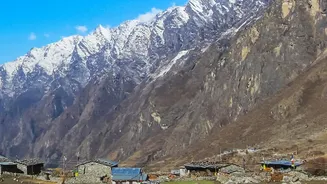
November is a transitional month in the Himalayas. While the monsoon rains have passed, leaving the landscape vibrant and the views sharp, winter's chill is setting in. Days are shorter and temperatures can drop significantly, especially at night and at higher
altitudes, where they can plummet to -10 degrees Celsius or lower. This creates a deceptive environment; pleasant daytime trekking can quickly turn into a dangerously cold situation as the sun goes down. Furthermore, the trails are quieter, which means fewer people to offer assistance in an emergency. Many high-altitude lodges may also start reducing services or closing for the winter, limiting your support options.
The Unseen Threat: Altitude Sickness
Altitude sickness, or Acute Mountain Sickness (AMS), is a major risk on any high-altitude trek, and it has nothing to do with your physical fitness. It occurs when your body can't get enough oxygen from the 'thinner' air at high elevations, typically above 8,000 feet. Symptoms of mild AMS include headache, nausea, dizziness, and fatigue. Ignoring these signs and continuing to ascend can lead to life-threatening conditions like High-Altitude Pulmonary Edema (HAPE), which involves fluid in the lungs, or High-Altitude Cerebral Edema (HACE), which is fluid in the brain. The key to prevention is gradual acclimatization, allowing your body to adjust. Never ascend too quickly, and if symptoms appear, do not go any higher until they resolve. If they worsen, immediate descent is the only effective treatment.
Cold-Related Dangers: Hypothermia and Frostbite
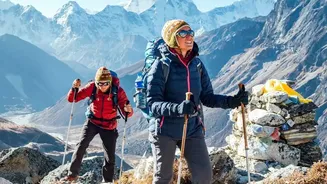
With November's cold temperatures, hypothermia and frostbite are serious concerns. Hypothermia occurs when your body loses heat faster than it can produce it, causing your core body temperature to drop to dangerous levels. It can happen even in cool, not necessarily freezing, temperatures, especially if you get wet from rain or sweat. Uncontrollable shivering, confusion, slurred speech, and clumsiness are key signs. Frostbite is the freezing of body tissue, usually affecting extremities like fingers, toes, and your nose. The risk for both is magnified by shorter daylight hours and plunging nighttime temperatures. Proper layering of clothing, staying dry, and staying hydrated are your primary defenses.
Your Essential Medical Kit
A standard first-aid kit is not enough for the Himalayas. Your personal medical kit should be comprehensive and tailored for high-altitude environments. Consult a doctor about prescription medications like Acetazolamide (Diamox) for altitude sickness prevention and treatment. Other essentials include a broad-spectrum antibiotic for infections, anti-diarrheal medication, and strong pain relievers. Pack oral rehydration salts (ORS) to combat dehydration, which is common in the dry mountain air and can exacerbate altitude sickness. A full blister treatment kit with moleskin or Compeed is crucial. Also include antiseptic wipes, assorted bandages, medical tape, and any personal medications you require.
Non-Negotiable Emergency Gear
With fewer trekkers and guides on the trails, you must be more self-reliant. Your emergency gear is your lifeline. A satellite messenger or phone is highly recommended for communication in remote areas with no mobile service. A portable power bank is essential to keep your electronics charged in the cold, which drains batteries faster. Always carry a quality headlamp with extra batteries, as days are shorter. Your gear should also include a multi-tool, duct tape for emergency repairs, and water purification tablets or a filter. Finally, carry extra high-energy snacks and an emergency blanket. These items weigh little but can be lifesaving if you are unexpectedly delayed or stranded.