






The End of Toil
For generations, the act of cooking in India was synonymous with hours of physical work—grinding masalas, chopping vegetables, and patiently stirring pots. This extensive labour, often falling disproportionately on women, was the invisible ingredient
in every home-cooked meal. Today, that is changing. The modern kitchen is increasingly a space where strenuous tasks are outsourced, not to people, but to technology and services. Busy lifestyles, the rise of nuclear and dual-income households, and a growing desire for convenience are driving this transformation. This shift is reconfiguring the kitchen from a site of obligatory domestic duty into a zone of choice, experimentation, and personal expression.
Rise of the Automated Chef
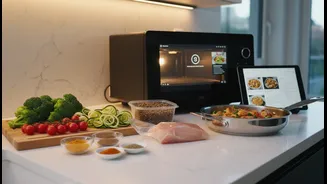
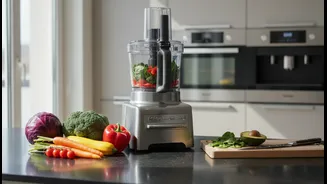
Technology is the most visible agent of this change. The Indian smart kitchen appliance market is booming, with a projected compound annual growth rate of over 14%. Gadgets like air fryers, programmable cookers, Wi-Fi-enabled ovens, and powerful blenders are no longer novelties but staples in many urban homes. These appliances take over the most repetitive and time-consuming parts of cooking. They chop, grind, sauté, and monitor with precision, effectively acting as tireless sous-chefs. This automation frees the home cook from the drudgery of preparation, allowing them to focus on the more artistic aspects of a dish, such as flavour combinations and presentation.
The Convenience Economy Delivers
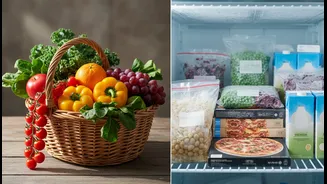
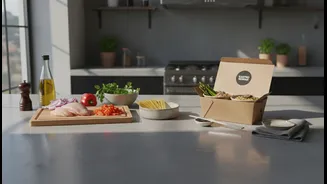
Beyond appliances, an entire ecosystem of convenience is reshaping mealtime. The ready-to-cook (RTC) category has seen explosive growth, doubling its volume in the last two years and adding 18 million households in 2024 alone. This includes everything from pre-cut vegetables and marinated meats to complex curry pastes and meal kits that promise a home-cooked feel in minutes. Simultaneously, food delivery apps have become a utility, reducing the frequency of home cooking for many. A study noted a 28% reduction in home-cooking frequency among urban users of these apps. This outsourcing of meals, whether partial or complete, means that 'cooking' can now mean simply assembling pre-prepared components or deciding what to order, separating the final meal from the labour traditionally required to produce it.
Redefining 'Home-Cooked'
This evolution naturally raises questions about authenticity and tradition. Is a meal made from a ready-to-cook paste truly 'home-cooked'? As festival meals increasingly become a hybrid of homemade and ordered-in dishes, the very definition of a family meal is changing. Some argue this trend erodes traditional culinary skills and the intergenerational transfer of knowledge. However, it also reflects a pragmatic adaptation to modern life. For many, especially working women, these shortcuts are not a rejection of home cooking but the only way to keep it viable amidst demanding schedules. This convenience liberates them from the expectation of being 'superwomen' who must manage professional and domestic duties perfectly.
Creativity, Unleashed
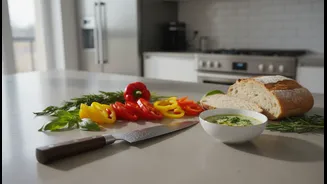
The separation of labour from creativity isn't necessarily a loss. In fact, it can be liberating. By removing the barrier of time and effort, it allows more people to engage with cooking on their own terms. Many urban youths are embracing home cooking as a form of self-expression and a way to connect with their cultural roots, but with a modern twist. Freed from the repetitive tasks, home cooks have the mental and physical energy to experiment with new cuisines, focus on healthier ingredients, and rediscover the joy of feeding others. The kitchen becomes less about the 'how' of getting a meal on the table and more about the 'what' and 'why'—the creative and social fulfilment that food provides.