


The Terroir of the Western Ghats
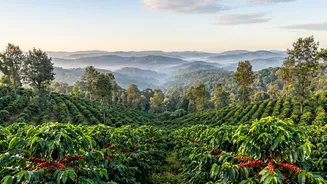
Coorg and Chikmagalur, nestled in Karnataka's Western Ghats, are the historical cradle of Indian coffee. This region's unique combination of high altitude (ranging from 800 to 1,750 metres), loamy soil, and distinct monsoon seasons creates the perfect
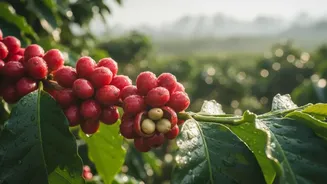
environment for growing high-quality Arabica beans. To be considered 'specialty', these Arabica beans must score 80 points or higher on a 100-point scale, a grade reserved for coffee grown with exceptional care. This grade reflects complexity, aroma, and a clean finish—qualities that are not accidental but are cultivated through thoughtful farming.
Shade-Grown: A Slower, Sweeter Bean
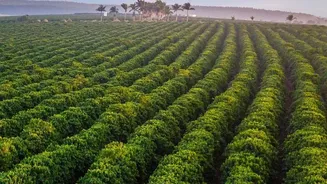
Perhaps the most significant sustainable practice in these regions is shade-growing. Unlike sun-grown coffee, which aims for high yields by clearing land, shade-grown coffee is cultivated under a natural canopy of native trees. This practice mimics how coffee originally grew in the wild. The shade moderates temperatures and slows the coffee cherry's maturation process. This extended growing period allows the beans to develop more complex sugars and acids, resulting in a denser bean with a richer, more nuanced flavour profile. While sun-grown coffee can be produced faster, shade-grown methods yield a cup that is often sweeter, more aromatic, and less bitter.
Biodiversity and Aromatic Complexity
Walk through a sustainable coffee estate in Coorg or Chikmagalur, and you will find more than just coffee plants. Farmers often practice intercropping, planting spices like pepper and cardamom, or fruits such as oranges, alongside the coffee bushes. This isn't just for crop diversification; it creates a thriving, biodiverse ecosystem. The varied plant life enriches the soil, attracts pollinators, and can naturally deter pests, reducing the need for chemical inputs. Many connoisseurs believe this practice also subtly influences the coffee's final flavour. A coffee grown amidst pepper vines and cardamom plants might develop faint, spicy notes, adding a layer of complexity that reflects its unique environment.
Healthy Soil, Healthy Coffee
Sustainable farming is grounded in soil health. Instead of relying on synthetic fertilizers, which can degrade soil over time, farmers use organic compost, often created from the pulp of the coffee cherries themselves. This closed-loop system returns nutrients to the earth, maintaining fertile soil that can support healthy plants for generations. Healthy soil leads to robust coffee plants that are naturally more resilient to disease. This focus on organic practices ensures that the final coffee bean is not only better for the environment but also has a cleaner, more vibrant taste, free from the residues of chemical treatments.
Water Conservation and Meticulous Processing
Water is a precious resource, and sustainable estates implement practices like rainwater harvesting and efficient irrigation to conserve it. This responsible water management is crucial for both the environment and the local communities who share these resources. The care extends to post-harvest processing, where methods like washed, natural, or honey processing are chosen to highlight different characteristics of the bean. Each step, from planting the seed in healthy soil to the final drying of the bean, is part of a deliberate process to preserve and enhance the quality that began in the shade of the forest canopy.